Quick Navigation
- Forget Everything: The Core Packing Philosophy
- The Non-Negotiables: Documents & Money
- Tech & Electronics: Staying Connected
- Clothing & Footwear: Dressing for (All) the Seasons
- Bedding, Bath & Dorm Room Essentials
- Medicines & Personal Care
- Kitchen & Food (For Dorms with Kitchen Access)
- Academic Supplies
- What NOT to Pack: The "Leave It" List
- Packing & Luggage Strategy
- Final Checklist & Mindset
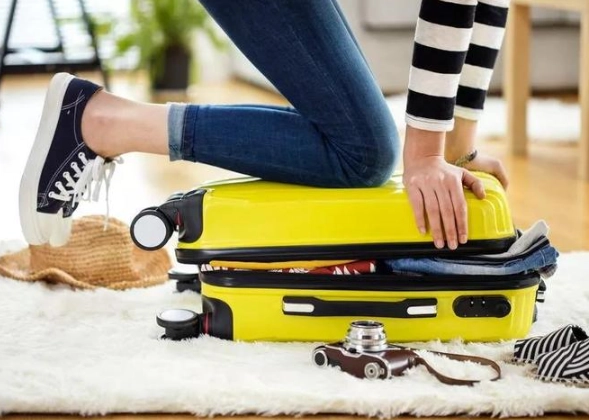
Let's be honest, figuring out what to stuff into your suitcases before flying to the US for university is stressful. You're trying to fit your life into a couple of bags, not sure what you'll actually need in a completely new country. I remember my own panic—standing in my room surrounded by piles of clothes, wondering if I needed three sweaters or five, and whether I should bring that giant jar of my favorite spice mix (I did, and it leaked. Lesson learned.).
The biggest mistake most students make? Overpacking. You pay for extra baggage, struggle through airports, and then realize half the things you brought are easily available at a Walmart down the street. The other mistake? Underpacking on the truly important stuff, like documents or specific personal items.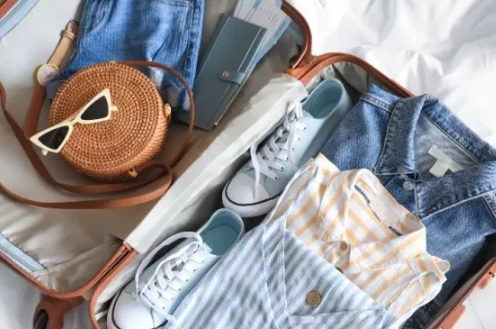
This guide is different. It's not just a generic list. It's a strategic blueprint based on experience, countless student stories, and a clear understanding of what life in an American dorm or apartment actually requires. We'll break down the absolute essentials, the "nice-to-haves," and the "leave-it-behinds" to create your perfect, personalized packing list for international students to the USA.
I wish someone had sat me down and given me this list. It would have saved me money, back pain, and the embarrassment of explaining a turmeric-stained suitcase to the airline.
Forget Everything: The Core Packing Philosophy
Before we dive into lists, you need the right mindset. America, for the most part, is a land of convenience and consumerism. Unless you're heading to a very remote college town, you can buy almost anything. Your goal isn't to pack for four years; it's to pack for the first 4-6 weeks.
That's the golden window. It gives you time to settle in, figure out where the good stores are, wait for your first paycheck from a campus job, and then shop smartly for what you truly need. Your packing list for international students to USA should be a launch kit, not a life supply.
Ask yourself for every item: "Can I buy this easily and affordably within my first month in the US?" If the answer is yes, strongly consider leaving it. The exceptions are items with deep personal value, perfect fit, or specific cultural significance.
The Non-Negotiables: Documents & Money
Forget your favorite jeans for a second. If you forget these, you're not getting past immigration. This is the most critical part of your entire international student packing list for the USA.
Carry these in your personal bag/backpack, NOT in checked luggage. Make physical copies and scan digital copies to store in a secure cloud service (like Google Drive or Dropbox) that you can access from anywhere.
The Absolute Must-Haves
- Passport with F-1 Visa: Obviously. Check the expiration date.
- Form I-20 (Certificate of Eligibility for Nonimmigrant Student Status): Signed by you and the school official. Do not pack this. Keep it with your passport.
- SEVIS Fee Payment Receipt (I-901): Proof you paid the SEVIS fee.
- Admission Letter from your University: The official acceptance letter.
- Proof of Financial Support: Bank statements, scholarship letters, or sponsor affidavits that you showed during your visa interview.
- Academic Documents: Original or certified copies of your transcripts, diplomas, degree certificates, and standardized test scores (TOEFL, IELTS, SAT, GRE, etc.). Some universities may ask for them during orientation.
Extremely Important Adds
- Driver's License/International Driving Permit (IDP): If you plan to drive or want a valid photo ID for domestic flights before you get a US state ID.
- Health Insurance Documents & Medical Records: A copy of your immunization records (MMR, Varicella, etc. are often required by universities), a summary of any ongoing medical conditions, prescriptions for glasses/contacts, and a basic dental record. The CDC website has info on recommended vaccines for incoming students.
- Credit/Debit Cards & Some USD Cash: Bring at least two cards from different accounts (in case one gets blocked). Have about $200-$300 in cash (mostly in smaller bills like $20s and $10s) for immediate expenses like taxi, food, or supplies before you open a US bank account.
- Passport-Sized Photos: A dozen. You'll need them for various university forms, local IDs, or transportation passes.
Pro-Tip: Create a "Document Wallet"—a simple, durable folder that holds all these papers. It will be your best friend during travel and the first chaotic days of orientation.
Tech & Electronics: Staying Connected
This is where you shouldn't cheap out. Your digital life is crucial for studying, staying in touch with home, and navigating your new world. A good packing list for students going to the USA prioritizes versatile tech.
| Item | Why It's Essential | Notes & Tips |
|---|---|---|
| Laptop & Charger | For all coursework, research, and communication. | Ensure it's in good condition. Consider lightweight models. Cloud backup (Google Drive, OneDrive) is a must. |
| Smartphone & Charger | Maps, translation, university apps, banking. | Make sure it's "unlocked" to use a US SIM card. A sturdy case and screen protector are wise investments. |
| Universal Power Adapter | US outlets are Type A/B (110-120V). | Don't just get a plug adapter. Get a converter or transformer for high-wattage items like hair dryers or straighteners, as US voltage is lower. Many modern laptop/phone chargers are dual-voltage (check the label). |
| Power Strip/Surge Protector | Dorm rooms never have enough outlets. | Buy one in the US after arrival. It's bulky to pack and ensures it meets US safety standards. |
| External Hard Drive/SSD | Backup important files and media. | 1TB should be sufficient. Cloud storage is good, but a physical backup is safer for large project files. |
| Headphones/Earbuds | Study sessions, library, video calls home. | Noise-canceling is a game-changer in shared dorms or noisy spaces. |
| E-Reader (Optional) | Saves space on textbooks and leisure reading. | A Kindle or tablet can be a luxury that feels like a necessity for book lovers. |
What about a printer? Honestly, skip it. Most campuses have cheap or free printing in computer labs and libraries. They're bulky, and ink is expensive. Wait and see if you really need one.
Clothing & Footwear: Dressing for (All) the Seasons
This is the section that causes the most anxiety. The US has diverse climates. Arizona is not Minnesota. Research your specific city's weather patterns. The key is layering.
I came from a tropical country to the Midwest. I packed one "light" jacket. My first November was a brutal education in the meaning of "wind chill." I spent a small fortune on a proper winter coat.
Everyday Basics (Pack These)
- T-shirts & Tops: 7-10. Mix of casual and a few nicer ones.
- Jeans/Pants: 3-4 pairs. Comfort is king for long library days.
- Shorts/Skirts: 2-3. Even in colder states, summers can be warm.
- Underwear & Socks: 10-14 sets. You might not do laundry every week.
- Sleepwear: 2-3 sets.
- A couple of "Interview/Nice" Outfits: A button-down shirt with slacks, or a simple dress. For career fairs, presentations, or formal events.
Outerwear & Seasonal (Choose Based on Location)
- All-Purpose Jacket: A waterproof, wind-resistant hoodie or light jacket for fall/spring.
- Heavy Winter Coat: If going to the North/Midwest/Northeast. This is often better bought in the US where they are designed for the climate. It's bulky to pack.
- Gloves, Scarf, Beanie: Essential for winter regions. Pack if you have them, otherwise buy locally.
- Rain Jacket or Compact Umbrella: Very useful.
Footwear
- Comfortable Walking Shoes/Sneakers: 2 pairs. You will walk more than you think.
- Shower Flip-Flops: Non-negotiable for shared dorm bathrooms.
- Formal Shoes: One pair (dress shoes, loafers, or flats).
- Seasonal: Boots for snow/rain? Buy them there.
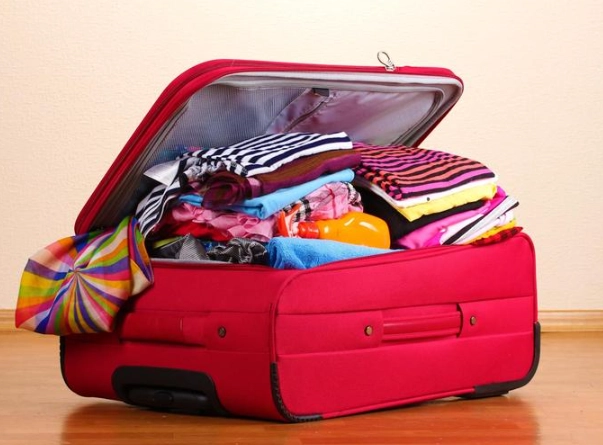
Be ruthless with clothes. You will buy university sweatshirts, t-shirts, and likely find great deals at thrift stores or seasonal sales. Your initial international student USA packing list should be a foundation.
Bedding, Bath & Dorm Room Essentials
Most universities provide a detailed list of what your dorm room includes (usually a bed, desk, chair, wardrobe). The rest is on you. Many students use services like OCM or their university's partnership to pre-order bedding kits that are delivered to their room upon arrival. It's convenient but can be pricey.
My advice? Pack a "bedding starter kit" and buy the bulkier items locally or via Amazon/Target/Walmart for pickup or delivery to your dorm.
Pack in Your Suitcase
- Twin XL Sheets (Check the size!): Most US dorm beds are Twin Extra Long. One set (fitted sheet, flat sheet, pillowcase) is enough to start.
- Travel Towel: A quick-dry, microfiber towel. It's compact and works until you buy a big, fluffy one.
- Small toiletry bag with travel-sized essentials to last 2-3 days (toothpaste, shampoo, soap).
Buy Immediately Upon Arrival
- Comforter/Blanket & Pillow
- Bath Towels (2-3)
- Desk Lamp
- Laundry Hamper/Bag & Detergent Pods
- Hangers
- Basic Tool Kit (mini screwdriver, command strips, duct tape)
Medicines & Personal Care
This is sensitive but important. The US healthcare system is... complex and expensive. While you'll have student insurance, it's not always seamless.
- Prescription Medications: Bring a supply for at least 2-3 months, in their original labeled bottles, with a copy of the prescription and a doctor's note explaining the condition and generic name of the drug. Schedule an appointment with a US doctor early to get a local prescription. Check the U.S. Customs and Border Protection (CBP) website for rules on bringing medications.
- Over-the-Counter (OTC) Medicines: Pack a small kit: pain relievers (ibuprofen, acetaminophen), cold/flu medicine, allergy meds (if you have allergies), anti-diarrheal, indigestion relief, band-aids, and antiseptic cream. Familiar brands from home can be a comfort when you're sick.
- Personal Care & Toiletries: A month's supply of your specific skincare, haircare, or cosmetic products if you're loyal to a brand not easily found in the US. For basics (shampoo, conditioner, body wash), just buy them there.
- Glasses/Contacts: Bring at least one extra pair of glasses and a 6-12 month supply of contact lenses with your prescription.
Kitchen & Food (For Dorms with Kitchen Access)
If you have a kitchenette or shared apartment kitchen, a few items can make a huge difference.
- One set of cutlery (fork, knife, spoon), a bowl, a plate, and a mug. Just one, for yourself.
- A reusable water bottle and travel coffee mug. Campus cafes often give discounts for bringing your own cup.
- A can opener. Shockingly, people always forget this.
- A small, sharp knife (pack in checked luggage!).
- Small supply of non-perishable comfort food from home. A few packets of your favorite noodles, spices, or snacks. It helps with homesickness. But check agricultural restrictions on the USDA APHIS website.
Everything else—pots, pans, plates for guests, blender—can be bought cheaply at a Target or a thrift store, or inherited from departing seniors.
Academic Supplies
Beyond your laptop, keep it minimal. American campus bookstores are expensive for supplies, but stores like Walmart, Target, or Dollar Tree are very cheap.
- A few pens, pencils, a highlighter, and a small notebook for the first few days of orientation.
- A sturdy, comfortable backpack. This is worth investing in.
- A scientific calculator if your major requires it (check your course requirements).
- USB flash drive for quick file transfers (though cloud is more common).
Wait to buy textbooks until after the first class. You can often find used copies, rentals, or e-books for much cheaper than the campus bookstore's new price.
What NOT to Pack: The "Leave It" List
This might be more valuable than the "to-pack" list.
- Heavy Irons/Beauty Appliances: Hair dryers, straighteners, clothes irons. They are bulky, often not dual-voltage, and cheap to buy in the US.
- Full Sets of Crockery/Kitchenware: As mentioned, buy basics there.
- Bulky Bedding (Comforters, Pillows): Huge space-wasters.
- Prohibited Items: Check your university's dorm rules (candles, incense, certain cooking appliances like hot plates) and the TSA website for carry-on/checked luggage restrictions (flammables, certain tools, etc.).
- Huge Quantities of Any Single Item (like 50 pens or 10 rolls of toothpaste). It's not cost-effective.
- Sentimental, Fragile, or Extremely Valuable Items that aren't essential. The risk of loss or damage during travel and in a shared living space is real.
Packing & Luggage Strategy
You've got the list. Now, how to fit it all?
- Use Packing Cubes: They are life-changing for organization and compression.
- Roll, Don't Fold: Rolling clothes saves space and reduces wrinkles more than folding.
- Weigh Your Bags Before You Go: Airline overweight fees are brutal. Leave a little room (5-10%) for souvenirs or things you'll buy on arrival.
- Carry-On Essentials: In your carry-on, pack: 2-3 days of clothes, essential toiletries, all important documents, medications, valuable electronics, chargers, and a empty water bottle to fill after security. Assume your checked luggage could be delayed for a day or two.
Frequently Asked Questions (Your Packing Doubts, Solved)
Final Checklist & Mindset
Creating your final packing list for international students to USA is personal. Use this guide as a template, then customize it for your specific major, climate, and lifestyle.
Remember, the goal isn't perfection. You will forget something. You will overpack in one category. It's okay. America has stores. The most important thing you're bringing is your adaptability, your curiosity, and your readiness for an incredible adventure.
Pack light on things, but pack your courage and an open mind in abundance.
Double-check your documents. Charge your devices. Take a deep breath. You've got this. Your new life is waiting, and it's going to be amazing—no matter how many sweaters you did or didn't pack.




Comments
Leave a Comment