Landing in the United States for the first time is equal parts thrilling and daunting. The movies and shows set expectations, but the reality of navigating this massive, diverse country is its own beast. Forget trying to "do America" in one go. That's a surefire path to exhaustion. This guide isn't about listing every monument. It's a practical, step-by-step playbook for your first U.S. adventure, focused on making it smooth, authentic, and packed with the iconic experiences you actually came for.
We'll start from the moment you step off the plane.
Your Quick Trip Navigator
Step 1: Nail the Arrival & Basics
Your trip starts at Customs and Border Protection (CBP). Have your passport, completed Customs declaration (often digital now), and a printed copy of your hotel/return flight info ready. Answer questions simply and directly. The goal is to be boring and predictable.
Then, connectivity. Don't wait until you're lost. Get a U.S. SIM card or an eSIM plan from providers like T-Mobile or AT&T right at the airport, or set up an international plan with your home carrier. Google Maps and rideshare apps (Uber, Lyft) are your lifelines.
First 24-Hour Priority: 1) Get local cell data. 2) Withdraw a small amount of cash ($100 in small bills). 3) Get from the airport to your hotel using a pre-booked shuttle or rideshare. 4) Stay awake until local bedtime to fight jet lag. Go for a walk, find dinner, but keep it simple.
Step 2: Choose Your Core Iconic Experience
This is the heart of your trip. Pick one or two from this list as your anchor. Trying to do all four is the classic first-timer mistake.
The Urban Icon: New York City Immersion
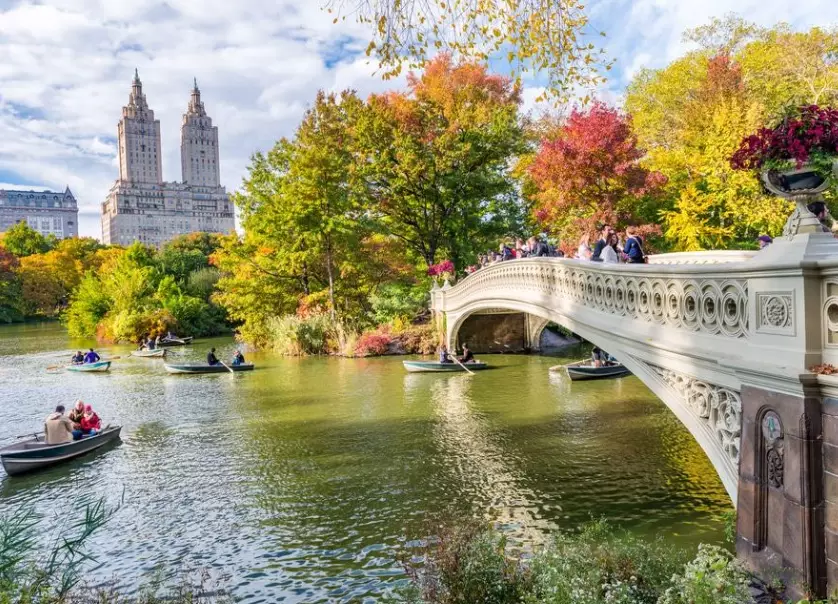
Yes, see Times Square. Get it out of your system in 20 minutes. Then, walk across the Brooklyn Bridge for the iconic skyline view. Take the Staten Island Ferry (it's free) for a great Statue of Liberty photo op. Spend an afternoon getting lost in Central Park, starting at Bethesda Terrace. Skip the expensive Empire State Building observatory; Top of the Rock or One World Observatory offer better views that include the Empire State Building itself.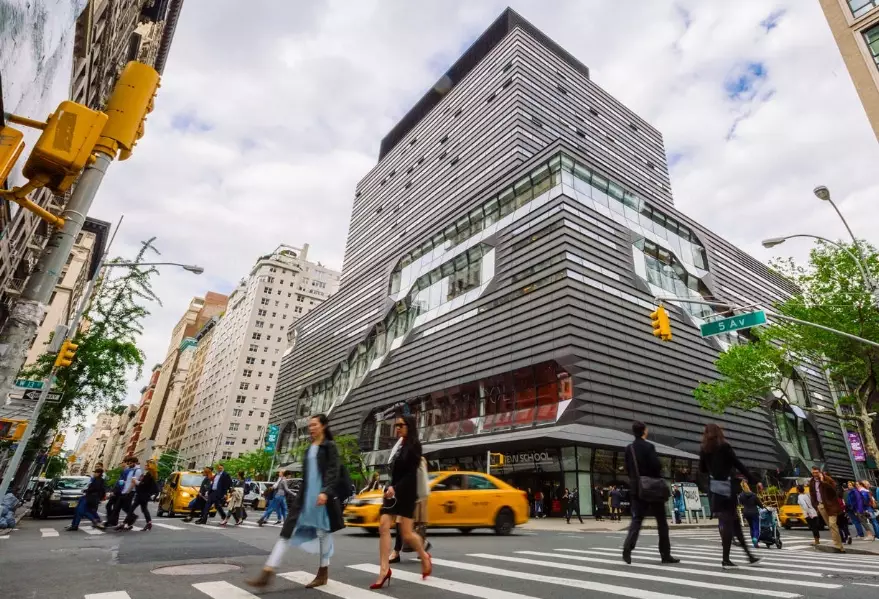
My personal take? Broadway is worth it, but for a first-timer, the TKTS booth in Times Square for same-day discounted tickets is a better gamble than paying full price months in advance for a show you might be too jet-lagged to enjoy.
The Natural Wonder: A National Park
The U.S. National Park Service manages over 400 sites. For a first visit, aim for accessibility and wow factor.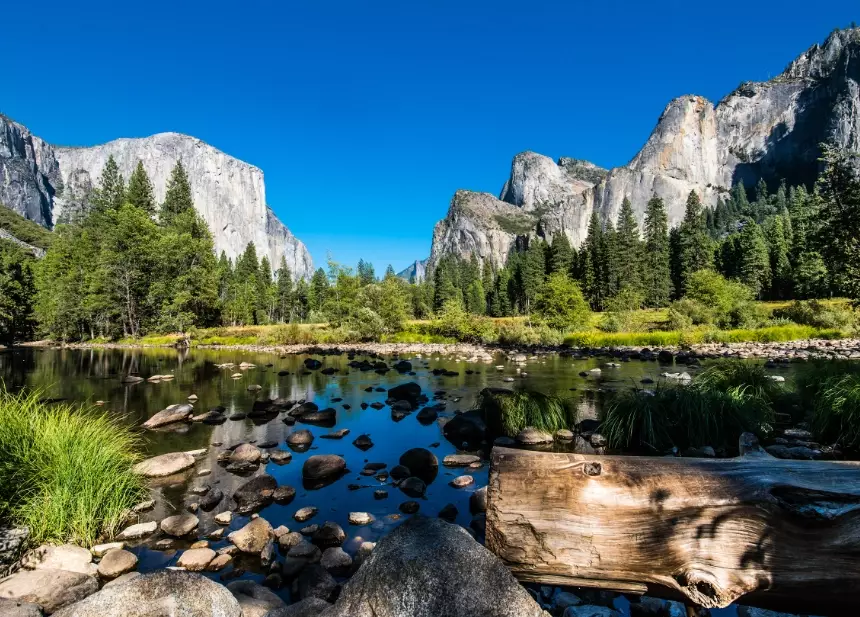
Grand Canyon (South Rim), Arizona: Open 24/7. $35 per vehicle for a 7-day pass. The sheer scale is incomprehensible until you stand at Mather Point. Hike a tiny part of the Bright Angel Trail just to say you did, but don't go far without water. The real magic is at sunrise or sunset.
Yosemite National Park, California: $35 vehicle entry. Requires serious planning. You need a reservation just to drive into the park for most of the year. Book accommodations in the valley (like the iconic Ahwahnee Hotel or basic Curry Village cabins) at least 6 months ahead. If you can't, stay in a gateway town like Mariposa. Tunnel View is the legendary photo spot. Hike to the base of Lower Yosemite Fall—it's easy and unforgettable.
The Road Trip: California Coast (Pacific Coast Highway)
Rent a car in San Francisco, drive south to Los Angeles. This is the USA's definitive drive. Key stops: 1) San Francisco: Golden Gate Bridge (walk or bike part of it), Fisherman's Wharf (touristy but fun for a clam chowder bowl). 2) Big Sur: Stop at Bixby Creek Bridge, McWay Falls. 3) Santa Barbara: Spanish-style architecture, great beaches. 4) Los Angeles: End here. The drive is about 10 hours without stops, but plan for 2-3 days minimum.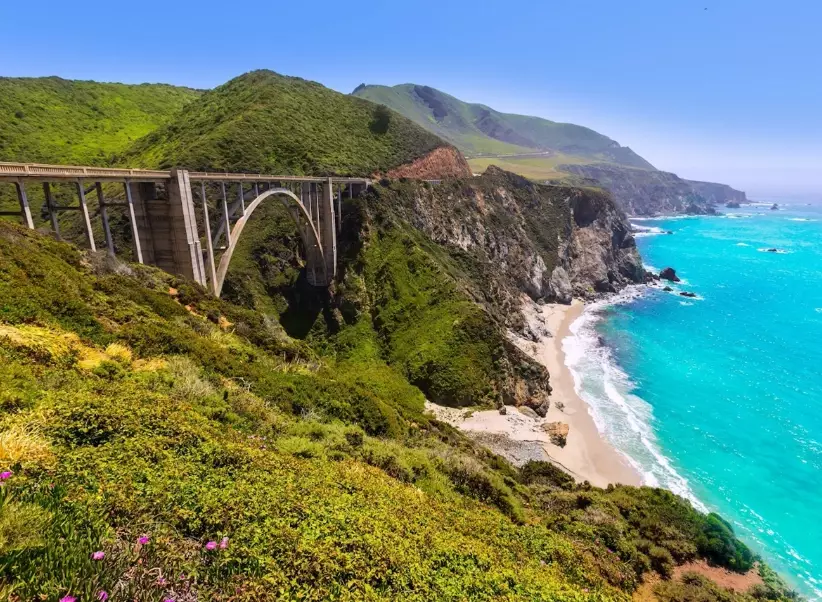
Warning: This trip is about the journey, not speed. Check Caltrans for highway closures—landslides happen.
The Entertainment Capital: Las Vegas, Nevada
It's a spectacle. Stroll the Strip at night to see the Bellagio fountains and the Venetian's canals. See a Cirque du Soleil show. But here's the non-obvious tip: Rent a car for a day and drive to the Hoover Dam (45 mins away) and Red Rock Canyon (30 mins away). The contrast between the artificial neon and the stark, natural beauty of the desert is the real Las Vegas experience most visitors miss.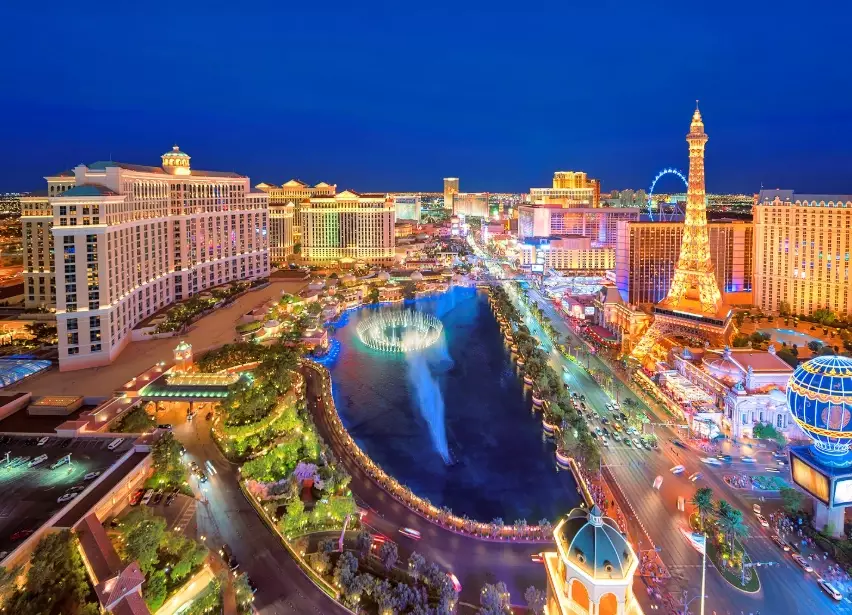
Step 3: Go Beyond the Postcard: Strategic Deep Dives
Once your anchor is set, layer in these experiences. They provide the texture and memories beyond the guidebook photo.
Eat Like a Local (Which Doesn't Always Mean Fancy)
- New York: A proper bagel with lox (Ess-a-Bagel), a slice of greasy pizza (Joe's Pizza), and a pastrami sandwich from a classic deli like Katz's.
- Southwest (Arizona/Texas): Find a local spot for Tex-Mex. It's not just Mexican food. Think sizzling fajita platters, cheesy enchiladas, and strong margaritas.
- California: In-N-Out Burger. It's a cultural institution. Order off the "Not-So-Secret Menu": ask for your burger "Animal Style" (mustard-fried patty with extra sauce, grilled onions, pickles).
- The Grocery Store: Seriously. Wander a Target or a regional chain like Publix (Southeast) or Wegmans (Northeast). The sheer variety is fascinating. Try a local craft beer or a weird flavored chip.

Understand Tipping Culture
It's not optional; it's part of the cost of service. Getting it wrong is a major social faux pas.
| Service | Standard Tip | Notes |
|---|---|---|
| Restaurant Server | 18-20% of pre-tax bill | Tip is on the total before sales tax is added. |
| Bartender | $1-2 per drink, or 15-20% of tab | Tip with each round for better service. |
| Rideshare (Uber/Lyft) | 10-15% (optional but expected) | You can tip in the app after the ride. |
| Hotel Housekeeping | $3-5 per night | Leave cash daily, as different staff may clean each day. |
| Tour Guide | 10-20% of tour cost | For a great half-day tour, $10-$20 per person is common. |
Always tip in cash when possible, especially for housekeeping and bellhops.
Step 4: Become a Logistical Ninja
Getting Around
Between Cities: Domestic flights are the only realistic option for long distances. Use Google Flights. Southwest Airlines doesn't appear on most aggregators—check their site separately. For shorter distances in the Northeast (e.g., NYC to Boston or Washington D.C.), Amtrak trains are comfortable and avoid airport hassle.
Within Cities: In NYC/Chicago, buy a MetroCard or use contactless payment for the subway. In LA/Las Vegas, you'll need rideshares or a rental car. In walkable cores like San Francisco or Boston, walking combined with occasional transit is best.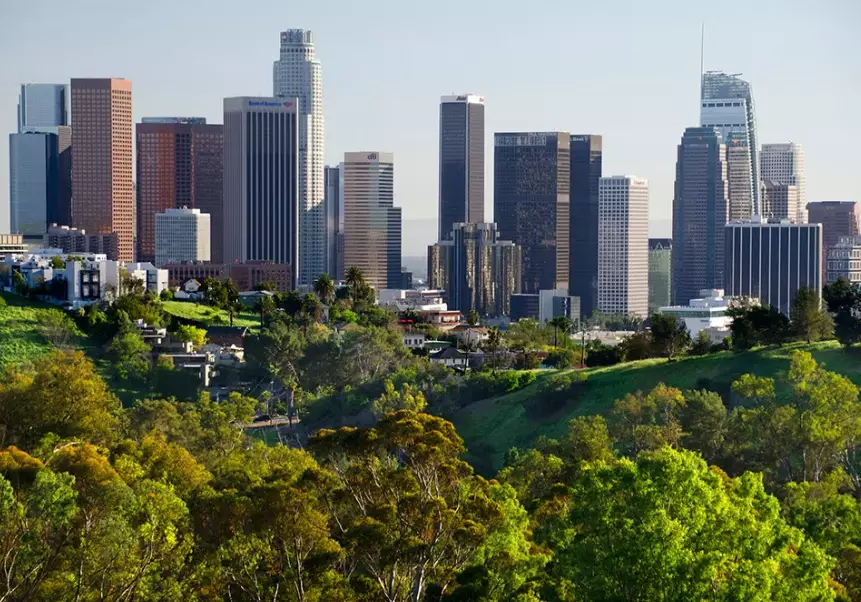
Money & Payments
As mentioned, use cards. But have a backup. One time, my card got flagged for fraud at a remote gas station in Utah. The $80 in my wallet saved me. Also, sales tax is not included in displayed prices. That $4.99 bottle of water will be about $5.40 at the register, depending on the state and city.
Safety & Etiquette
The U.S. is generally safe for tourists, but use common sense. Don't leave valuables in a rental car in plain sight. In cities, be aware of your surroundings at night.
Americans are friendly but value personal space in queues. Don't stand too close in line. Service interactions are often brisk and efficient—it's not rudeness, it's pace.
First-Timer FAQs Answered
Your first U.S. trip should leave you amazed, not exhausted. By choosing a core experience, mastering a few logistical must-dos, and diving into the local rhythm, you'll move from being a wide-eyed visitor to someone who gets it. That's the real souvenir.


Comments
Leave a Comment