Packing for a trip from Nigeria to the United States isn't just about throwing clothes in a suitcase. It's a strategic operation. Get it wrong, and you're facing freezing air-conditioning in shorts, a dead phone with no way to charge it, or a tense conversation with a Customs and Border Protection officer. I've seen it happen too many times. After years of traveling back and forth and helping family navigate the journey, I've refined this list beyond the basics. This is your battle plan, tailored for the Nigerian traveler, to ensure you arrive prepared, comfortable, and ready to enjoy your American adventure.
Your Packing Roadmap
The Non-Negotiables: Documents & Identity
Forget your favorite pair of shoes before you forget these. This is the foundation of your entire trip. I keep a dedicated, waterproof document organizer that never goes in my checked luggage.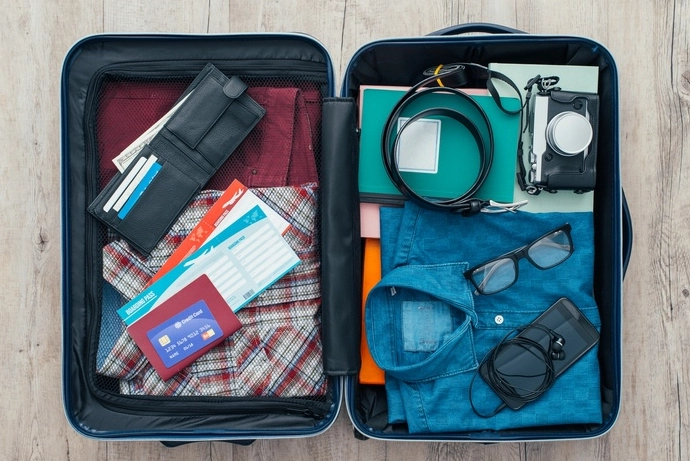
| Document | Details & Tips | Where to Keep It |
|---|---|---|
| Valid Nigerian Passport | Must be valid for at least 6 months beyond your intended stay. Check the expiry date twice. | On your person / Carry-on |
| U.S. Visa | Ensure the visa type (B1/B2, etc.) and details match your passport and travel purpose. | In passport / Carry-on |
| ESTA Authorization (if applicable) | For Visa Waiver Program travel. Print the approval, even though it's electronic. The U.S. Customs and Border Protection (CBP) officer may ask for it. | Printed copy in organizer |
| Flight Itinerary & Hotel Confirmations | Printouts or easy access on your phone. CBP often asks for your first address in the U.S. | Carry-on & Phone |
| International Driver's Permit (IDP) | If you plan to drive. Your Nigerian license alone is not sufficient in most states. Get the IDP from the Automobile Association in Nigeria before you leave. | With your Nigerian Driver's License |
| Credit/Debit Cards & Some USD Cash | Notify your bank of travel. Carry at least $100-$200 in small bills ($1, $5, $20) for immediate expenses like transport or tips. Nigeria's Naira is not accepted anywhere. | Split between wallet and a secure spot in carry-on |
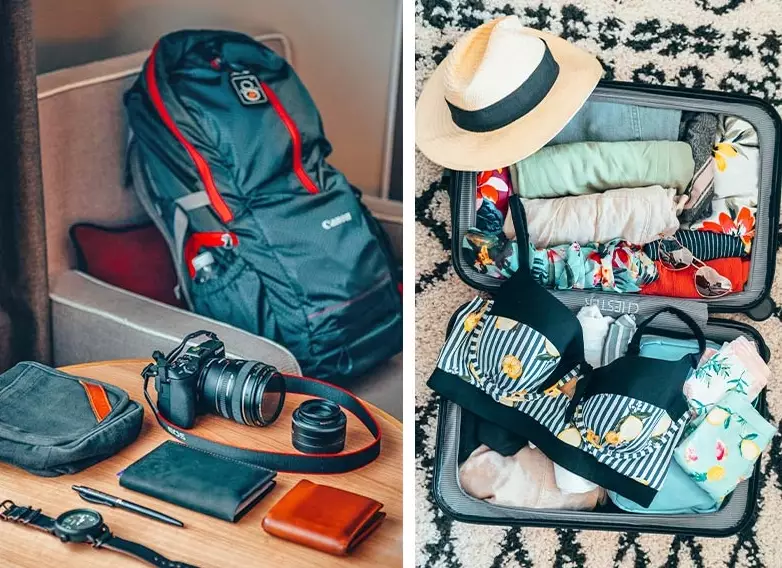
The Clothing Strategy: Conquering the Climate Shock
This is where most packing lists fail Nigerians. They tell you to check the weather, but they don't explain the micro-climates you'll experience. Lagos is consistently warm. The USA can swing 30 degrees between the sunny street and the air-conditioned mall. Your packing must be layered.
Understanding the "Indoor Winter"
American air conditioning is aggressive. In summer, indoor spaces can feel colder than a Harmattan morning in Abuja. In winter, the contrast between the freezing outdoors and overheated buildings is extreme. You need versatile layers.
The Core Layering System:
- Base Layer: Cotton t-shirts, light blouses, comfortable jeans, chinos. Stick to neutral colors (black, navy, grey, beige) that mix and match easily.
- Mid Layer (The Savior): A light sweater, cardigan, hoodie, or fleece jacket. This is what you put on the moment you step inside an airport, museum, or restaurant. Pack at least two.
- Outer Layer (Weather Dependent): A proper waterproof and windproof jacket if you're going anywhere north or traveling in fall/winter/spring. A compact, packable down jacket is a fantastic investment.
Footwear is Critical
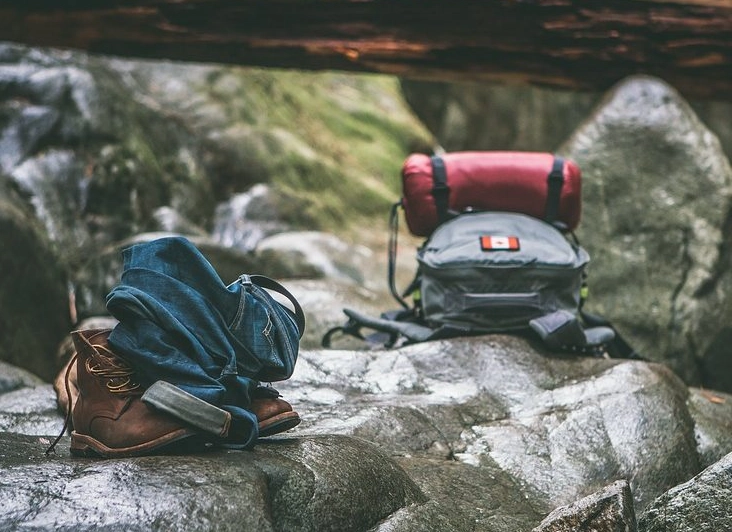
You will walk more than you think. Comfortable sneakers are a must. Pack one formal pair for nice dinners or events. Also, include slippers or indoor shoes—it's a common American household custom to remove shoes at the door.
Electronics & Staying Connected
This is the second most common pitfall, right after clothing.
The Voltage Problem (Pay Attention!)
Nigeria: 230V/50Hz. USA: 120V/60Hz. If you plug your Nigerian hair dryer, curling iron, or electric kettle directly into a US wall, you'll likely hear a pop and smell smoke. You need a voltage converter for high-power items.
Check every charger. Your phone and laptop charger likely says "Input: 100-240V, 50/60Hz." If so, it's dual-voltage and only needs a simple plug adapter (Type A/B, the flat-pin kind). Buy a couple of these adapters before you go. For everything else—assume you need a converter or plan to buy the item (like a cheap hair dryer) in the US.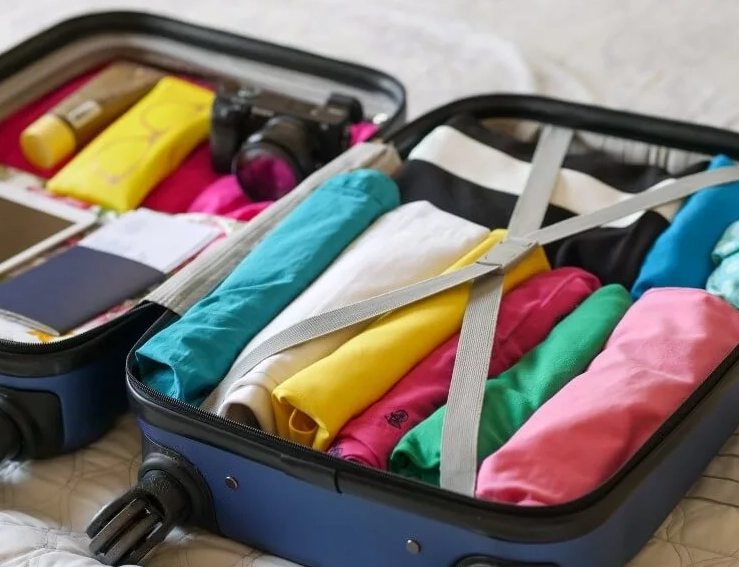
Staying Online
Roaming with Nigerian carriers is prohibitively expensive. You have two good options:
- Get a US SIM card upon arrival: Companies like T-Mobile, AT&T, or MVNOs like Mint Mobile offer affordable tourist plans at airports or stores. You'll need an unlocked phone.
- Use an eSIM: If your phone supports it (most newer iPhones and Androids do), download an eSIM data plan from providers like Airalo or Nomad before you land. This is the most convenient option.
Don't forget a good power bank. Airport delays and long days of sightseeing drain batteries.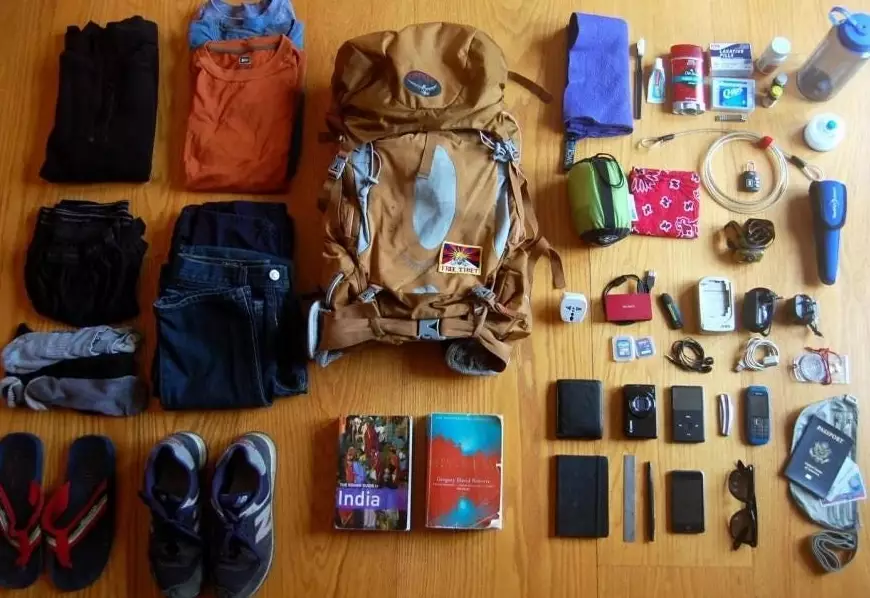
Health, Wellness & Personal Care
You can't just pop into a chemist and get what you're used to. Preparation is key.
Medications: This is serious. Keep all prescription drugs in their original bottles with pharmacy labels. Bring a copy of the prescription and a doctor's note. Over-the-counter medicines you rely on in Nigeria (like specific malaria drugs, pain relievers, or antibiotics) may require a prescription in the US or have different brand names. Pack a small supply of basics like paracetamol (acetaminophen) and any stomach remedies you prefer.
Personal Care: While you can find almost everything in the US, your favorite Nigerian hair care products (specific relaxers, oils, shea butter), skincare, or even certain soaps might be harder to find or very expensive in African stores. Pack a travel-sized amount to start you off. Sunscreen is a must—the sun in many parts of the US is stronger than you might expect.
Eyewear: Bring an extra pair of glasses or contact lenses. Replacing them in the US without insurance is costly.
The Final 24-Hour Checks
The day before you fly, run through this list:
- Weight & Size: Confirm your suitcase meets your airline's weight and size limits for both checked and carry-on bags. Overweight fees are steep.
- Liquids Rule: Remember the 3-1-1 rule for carry-ons: liquids must be in containers 3.4 ounces (100ml) or less, all placed in one clear, quart-sized bag.
- Pack a "Flight Survival Kit" in your carry-on: Noise-canceling headphones or earplugs, an eye mask, a refillable water bottle (empty until past security), lip balm, socks, and that essential mid-layer sweater.
- Declutter Your Wallet: Remove any unnecessary club cards or documents you won't need.
- Charge Everything: Phone, power bank, laptop, headphones.
- Household Check: Empty the trash, unplug appliances, set your security alarm.
Your Packing Questions Answered
Packing smart is the first step to a stress-free journey. It's not about bringing your entire life with you, but bringing the right pieces to adapt seamlessly to a new environment. Use this list as your guide, double-check your documents, and remember the layer rule. You've got this. Safe travels!






Comments
Leave a Comment