Let's cut to the chase. If you're looking for the single cheapest month to travel across the United States, the answer is almost always January (specifically, after New Year's Day until Martin Luther King Jr. weekend). But if you just book a random trip in January expecting sunshine and savings everywhere, you might be disappointed. The real answer is more nuanced, and getting it right can save you hundreds, even thousands, of dollars.
I've planned trips across this country for over a decade, and the biggest mistake I see is people treating "the US" as one monolithic destination. Price is a dance between national holidays, school schedules, regional weather, and local events. A cheap month in Florida is a pricey one in Colorado, and vice versa.
Your Quick Travel Planning Map
The Winner: Which Month Takes the Crown?
January wins on pure cost. The collective hangover from holiday spending is real. Demand for flights and hotels crashes. According to historical airfare data from sources like the US Bureau of Transportation Statistics and hotel rate analyses, the period from about January 7th to the end of the month consistently shows the lowest average prices nationwide.
Why? No major holidays. Brutal winter weather in the North and Midwest keeps leisure travelers home. It's a business-as-usual month, but with fewer people wanting to travel for business or pleasure.
Pro Tip: The first week of January is not cheap. Everyone is returning from Christmas and New Year's trips. The magic window opens the Monday after New Year's Day. Also, avoid the three-day Martin Luther King Jr. weekend (third Monday of January), as prices spike for short getaways.
But here's my non-consensus take: January is only the "best" month if your sole goal is the absolute lowest price and you're flexible on destination. For a better balance of cost, weather, and experience, I often point people to the shoulder seasons—late April/early May and September/early October.
The Month-by-Month US Travel Price Calendar
Let's break it down. This table gives you the national mood, but remember, regional exceptions abound (which we'll cover next).
| Month | Nickname | Typical Price Level | Key Driver | Best For | Expert Tip |
|---|---|---|---|---|---|
| January | The Deep Freeze (Deal) | Lowest | Post-holiday slump, winter weather. | Skiers (West), city culture trips (museums, theaters), desert Southwest. | Book last-minute for ski resorts if snowfall is poor; prices can crater. |
| February | Patchy & Pricey | Low-Medium | Valentine's Day, Presidents Day weekend. | Warmer escapes (Florida, Arizona, SoCal), though these are peak. | The week after Presidents Day is a sneaky-good cheap week. |
| March | The Spring Surge | Medium-High | Spring Break, varying by week and region. | Early month travel before colleges let out. | Track university spring break schedules to avoid the most crowded/expensive weeks. |
| April | Shoulder Sweet Spot | Medium | Easter/Passover volatility, spring weather. | National Parks before summer crowds, Southern cities. | Late April, after Easter, is golden. Avoid the holiday week itself. |
| May | Pre-Peak Perfection | Medium | Memorial Day weekend kickstarts summer. | Almost anywhere except holiday hotspots. | Travel the first three weeks. Prices jump for Memorial Day weekend. |
| June-August | Peak Season | Highest | School summer vacation, prime weather. | Family travel, national parks, coastal regions. | Book 4-6 months out. Look for mid-week deals. August can soften slightly in some areas as back-to-school looms. |
| September | Prime Shoulder | Low-Medium | Kids back in school, Labor Day weekend. | New England, California, mountain destinations, cities. | The Tuesday after Labor Day is one of the cheapest days of the year to fly. |
| October | Foliage & Flux | Medium-High | Fall foliage, Columbus Day/Indigenous Peoples' Day. | New England (expensive), Southwest, wine country. | Early October is cheaper than late September in many non-foliage areas. |
| November | The Jekyll & Hyde Month | Low & High | Thanksgiving. | Early November for great deals. Avoid the holiday itself. | The first two weeks are fantastic for value. The Wednesday before Thanksgiving is the busiest travel day of the year. |
| December | Holiday Peak | Highest | Christmas & New Year's. | If you must, travel on the actual holidays (Dec 25, Jan 1) for slightly better deals. | Consider a "skip-gen" trip with grandkids after the holidays when parents are back at work. |
Beyond the Calendar: Regional Price Variations
This is where most generic advice falls apart. Let's look at a few key regions.
Florida & the Gulf Coast
Forget January. That's peak season here. The cheapest months are actually the shoulder seasons of late April/May (after Spring Break, before summer humidity) and September/October (after summer crowds, before the snowbirds arrive). Hurricane season is a factor, but you can buy travel insurance. I've found September beach trips to be incredibly peaceful and cheap.
California & the West Coast
Late fall and winter are your friends. November (before Thanksgiving) and January/February offer lower prices, especially in Southern California. The famous "June Gloom" fog along the coast keeps summer crowds slightly thinner than in other beach destinations, but prices are still high. For national parks like Yosemite or Sequoia, aim for late September or October when crowds thin but roads are still open.
The Mountain West (Colorado, Utah, Wyoming)
This region has two distinct peaks: summer for national parks and winter for skiing. The cheapest months are the mud seasons: late April/May and late September/October. Some park roads may be closed, but you'll have stunning landscapes practically to yourself. I once visited Yellowstone in early October—saw more wildlife than people.
New England
Another two-peak region: summer coasts and fall foliage. The absolute cheapest time is late winter/early spring (March-April), but it's muddy and not scenic. For a good value, consider late May/early June (before summer crowds) or late October (after foliage).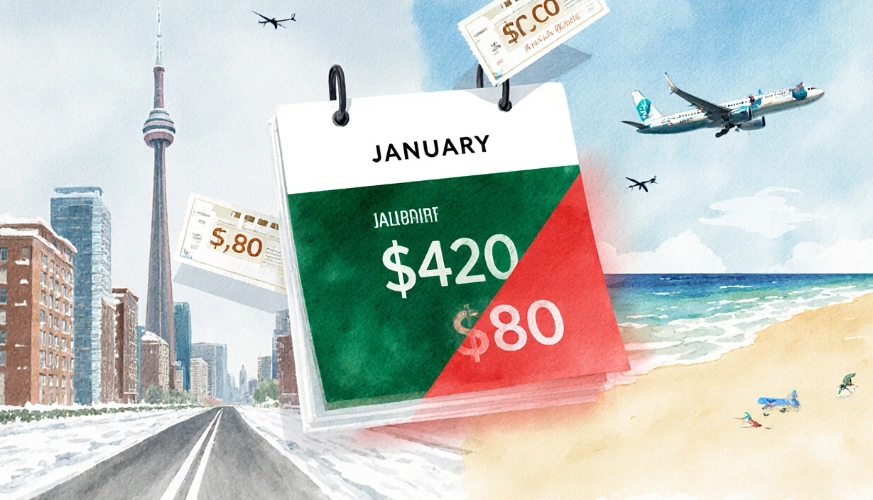
Major Cities (New York, Chicago, Los Angeles)
Hotel prices drive costs here. Business travel booms mid-week, so leisure travelers should aim for weekends in January/February (excluding holidays) when business travel is low. Also, many cities have "shoulder" conventions; check the city's official tourism calendar to avoid massive price spikes during big events.
How to Find Cheap Flights and Hotels in Any Season?
Knowing the right month is half the battle. Here’s how to capitalize on it.
- Be Flexible with Airports: Don't just search for "NYC." Check Newark (EWR), LaGuardia (LGA), and JFK. For the Bay Area, look at Oakland (OAK) and San Jose (SJC) alongside San Francisco (SFO).
- Embrace Mid-Week Travel: Flying on Tuesday, Wednesday, or Saturday is almost always cheaper than on Friday or Sunday. Start your hotel stay on a Sunday night for better rates.
- Set Price Alerts: Use tools like Google Flights or Skyscanner. Don't just set it and forget it; watch the pattern. I've noticed prices often dip slightly on Tuesday afternoons.
- Book Lodging Strategically: Sometimes a vacation rental is cheaper for families, but for solo or couple travel, a hotel outside the main tourist core can be a steal. Look for neighborhoods with good public transit links.
- Consider Package Deals: In the true off-season (January, early December), some tour operators and airlines offer flight+hotel packages that are cheaper than booking separately, as they're trying to fill capacity.

The Hidden Gem Strategy: Instead of fighting for deals in the most popular destination in a region, look at its neighbor. Can't afford Aspen in winter? Look at Crested Butte. Hawaii's Waikiki too pricey? Consider the Island of Hawai'i (the Big Island). You often get a more authentic experience for less.
Your Budget Travel Questions, Answered
What is the absolute cheapest month to fly and stay in the US overall?
January is consistently the cheapest month for domestic travel across the United States. After the New Year's holiday rush, demand plummets. You'll find the lowest average airfares and hotel rates, especially from January 7th through the end of the month, excluding the MLK Jr. Day weekend. This is the true post-holiday lull.
Is flying to the US in November really cheaper than October?
Yes, but with a critical caveat. Early November (before Veterans Day) is significantly cheaper than October for flights and hotels, as it's after fall foliage peaks in most areas and before the Thanksgiving rush. However, the last two weeks of November are among the most expensive of the year. The price cliff around November 10th is dramatic; booking travel for November 1st-9th can save you 30-50% compared to late October.
What's a common mistake people make when trying to travel cheaply in the US?
The biggest mistake is assuming "cheapest month" applies uniformly nationwide. For example, January is cheap in New York but is peak season in Florida and Arizona. You must combine the national calendar with regional climate and event patterns. Targeting the "shoulder season"—the weeks just before or after a region's peak season—often yields better weather and value than the absolute cheapest, deepest off-season month.
How can I save money if I must travel during an expensive month like July?
Focus on location and flexibility. Avoid major holiday weekends like July 4th. Look at secondary cities near your destination (e.g., Oakland instead of San Francisco, staying outside Yellowstone's main gates). Book lodging that includes breakfast or a kitchen to save on food costs. Use flight alert tools and be ready to book mid-week departures. Sometimes, a package deal through a reputable travel provider can lock in better rates than booking flights and hotels separately during peak demand.
 The cheapest month to travel in the US is a starting point, not a destination. It's about understanding the rhythm of prices and aligning it with your personal travel goals—whether that's solitude, perfect weather, or just getting the most stamp for your dollar. By thinking regionally, traveling flexibly, and booking strategically, you can unlock incredible value any time of year.




Comments
Leave a Comment