Your Quick Travel Guide
So you're thinking about a trip to the United States. Good choice. The classic question pops up: What month is the best to visit the USA? Let's get one thing straight right away. There is no single "best" month. Anyone who gives you a month name without asking a few follow-up questions is probably trying to sell you something. The answer depends entirely on what you want to do, where you want to go, and how much you're willing to spend.
I've been traveling across the States for over a decade, from road-tripping along Route 66 in a beat-up convertible to getting snowed in at a Yellowstone lodge. The country is too big and too diverse for a one-size-fits-all answer. But that's what makes planning fun. This guide won't just list months. I'll walk you through the pros and cons of each season, region by region, and throw in some personal opinions that might go against the usual travel advice you see online.
Why This Question is Trickier Than You Think
Asking for the best month to visit the USA is like asking for the best time to eat. It depends on your appetite. Are you looking for perfect beach weather in Florida? Or maybe you want to avoid the scorching heat of a Texas summer? Perhaps you're dreaming of fall foliage in New England? You see the problem.
Let me give you a personal example that changed how I plan trips. A few years back, I decided to visit New England in October, during the peak of "leaf-peeping" season. The colors were stunning, sure. But I also spent an extra $100 per night on a mediocre hotel because everything was booked solid. I spent more time stuck in traffic than actually hiking. My point? Chasing the "perfect" month based on a postcard image might lead you straight into peak prices and crowds, ruining the very experience you sought.
A Regional Month-by-Month Breakdown
Instead of giving you a month, let's break it down by what you're after. I'll use a table here because it's the clearest way to compare. Think of this as your cheat sheet.
| Region | Best For | Prime Months | Why These Months? (The Real Reasons) | Months to Avoid (And Why) |
|---|---|---|---|---|
| Northeast (NY, MA, VT, NH, ME, CT, RI) | Fall Foliage & City Sightseeing | September - October | Peak colors, crisp air, fewer bugs. Crowds can be intense in popular leaf-viewing areas. | January - March: Harsh winters, many attractions closed or limited. |
| Southeast (FL, GA, SC, NC, TN, AL, MS) | Beach Weather & Mild Winters | November - April | Escape the northern cold. Florida beaches are warm, but water temperatures can be cooler in winter. | July - August: Oppressive heat and humidity, frequent afternoon thunderstorms. |
| Midwest (IL, IN, OH, MI, WI, MN, IA, MO) | Summer Festivals & Outdoor Activities | June - August | Long days, warm temperatures perfect for state fairs, festivals, and Great Lakes activities. | November - March: Cold, often snowy, many outdoor attractions closed. |
| Southwest (AZ, NM, NV, UT, CO desert areas) | Spring & Fall for Desert Exploration | March-May & September-October | Pleasant daytime temperatures, cool nights. Avoid the extreme summer heat which can be dangerous for hiking. | June - August: Scorching desert heat, potential for heat-related illnesses if unprepared. |
| West Coast (CA, OR, WA coastal areas) | Year-Round Coastal Appeal | Varies greatly by micro-climate | A complex region. Coastal California has mild weather year-round, but inland areas like the Sierra Nevada have distinct seasons. | Varies: Check specific micro-climates (e.g., fog in San Francisco vs. sunshine in LA). |
| Rocky Mountains (MT, WY, ID, CO, UT) | Summer & Winter for Mountain Sports | June-August (Summer) & December-March (Winter) | Summer offers hiking, camping, wildflowers. Winter is for skiing and snowboarding. Shoulder seasons (spring/fall) can be unpredictable with weather. | Varies: Shoulder seasons can see sudden snowstorms even in late spring or early fall. |
| Alaska | Summer for Midnight Sun & Wildlife | June - August | Long days, midnight sun phenomenon, abundant wildlife viewing. Most roads and facilities are open. | September - May: Extreme cold, darkness, limited accessibility, many tours unavailable. |
You'll notice a pattern. For most of the mainland U.S., the shoulder seasons of spring and fall consistently offer the best balance. Let's dig into why, region by region.
Northeast: The Fall Foliage Trap
Everyone talks about New England in the fall. It's beautiful. It's also a logistical nightmare if you don't plan around the crowds. My non-consensus view? Consider late August to early September for Vermont and New Hampshire. You get most of the color change starting, way fewer people, and accommodations are easier to find and often cheaper. The trade-off is that some higher-elevation areas might not have hit their absolute peak color, but you'll have the trails mostly to yourself.
Southeast: Beyond the Winter Sun
Florida from November to April is the classic winter escape. But here's a subtle mistake most first-timers make: they only go to Miami or Orlando. The Gulf Coast, from Naples up through the Panhandle, often has better weather in these months than the Atlantic side. The water stays warmer longer on the Gulf. And if you're looking for theme parks without the spring break crowds, consider late April or early May. The weather is still great, but the prices and wait times start to drop.
Balancing Weather, Crowds, and Your Budget
This is the real secret most travel blogs gloss over. They'll tell you to go in shoulder seasons to avoid crowds. That's generally good advice, but it fails in specific places.
Take New York City as a case study. The shoulder months are April-May and September-October. But what they don't tell you is that hotel prices in September can still be high because of the UN General Assembly and Fashion Week. A better budget tip? Look at the first week of December, right after Thanksgiving and before the Christmas rush hits. You can find flight and hotel deals, and the city is already festive with decorations.
Best Months for Specific Travel Styles
Your travel style completely changes the equation.
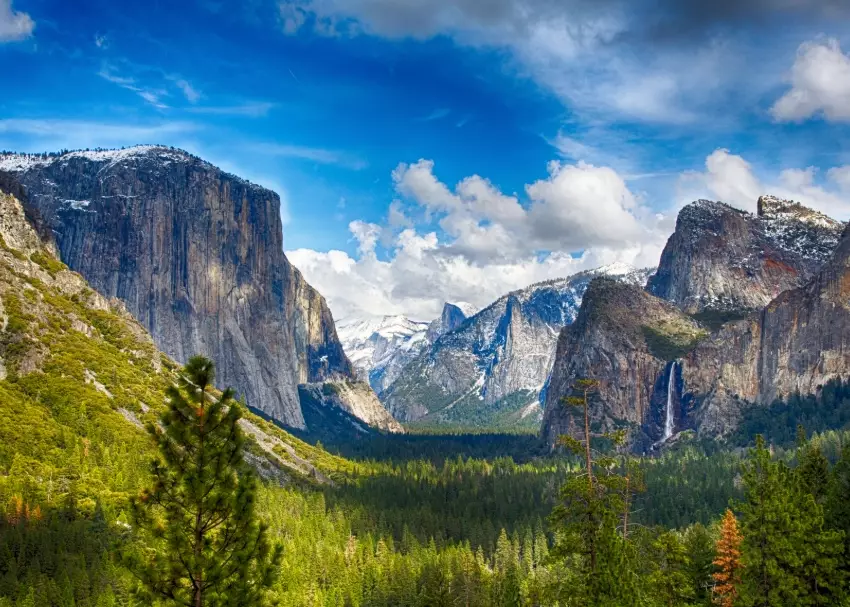
- Road Trippers & National Park Lovers: This is where my advice might surprise you. For the Western national parks (Yellowstone, Grand Teton, Glacier), June is often better than July or August. Why? The snow has melted at higher elevations, opening more trails, but the summer crowds haven't fully arrived yet. The wildflowers are in bloom. And in places like Yellowstone, you still have a good chance to see wildlife before they retreat deeper into the backcountry with the thicker summer crowds.
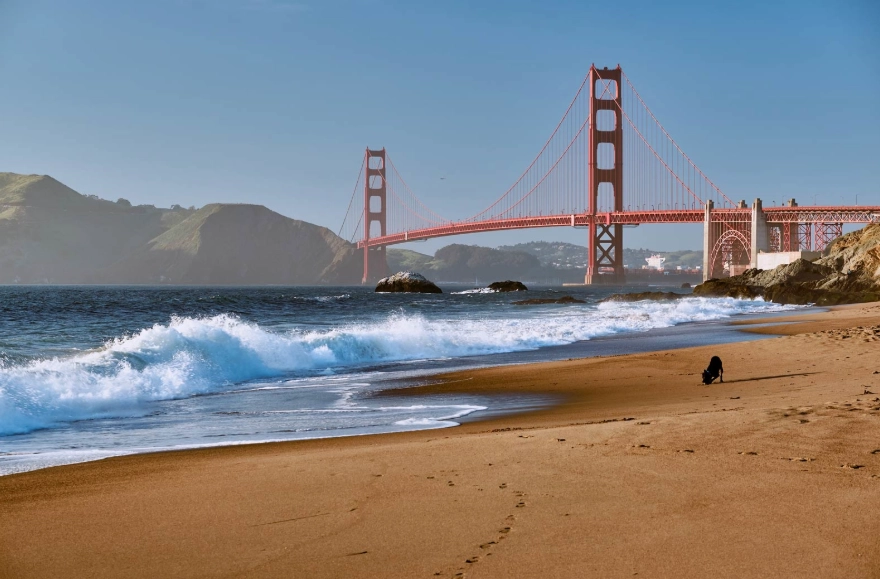
- City Slickers & Urban Explorers: Major cities like New York, Chicago, and San Francisco are fantastic year-round, but each has its sweet spot. San Francisco's famous fog is least present in September and October. New York is actually quite pleasant in late spring (May) and early fall (September). The summer can be hot and humid, and the winter... well, it's cold. But here's the kicker for city lovers: many museums have "free admission" days on certain weekdays that are less crowded. A little research goes a long way.
- Festival & Event Chasers: You need to think about event-specific timing. Want to experience Mardi Gras in New Orleans? That's February. The Fourth of July is, obviously, July. But for somethi
 ng like the Albuquerque International Balloon Fiesta, it's in early October. Booking accommodation for these peak event times needs to happen 6-8 months in advance, not the 3-4 months most guides suggest.
Regional Highlights and Hidden Gems by Season
Instead of just listing months, let me give you a specific example from a trip I took to the Southwest in May.
We planned a loop from Las Vegas through the Grand Canyon, Monument Valley, and into Moab, Utah. The desert temperatures during the day were perfect for hiking—warm but not scorching. The nights were still cool enough to make sitting around a campfire enjoyable. But here's the catch most people miss: the water levels in slot canyons. Many of the famous slot canyons in the area, like Antelope Canyon, have their peak visitation for boat tours in the late summer and fall when flash flood risk is lower. If you go in May, some of the deeper sections might still be closed or require a guided tour due to higher water levels from spring snowmelt. It's a tiny detail that can make or break your trip if you're set on a specific activity.
Pacific Northwest: The Rain Myth
The Pacific Northwest (Washington and Oregon) gets a bad rap for rain. It rains, sure. But the secret most locals know is that the summer is actually the driest and best time for hiking and outdoor activities. The "shoulder" season here is late spring and early fall, but for a different reason: the crowds are smaller, and the weather is often more stable than the peak summer months when everyone and their dog is out on the trails. If you don't mind a little drizzle, you can have the rainforests almost to yourself in the spring.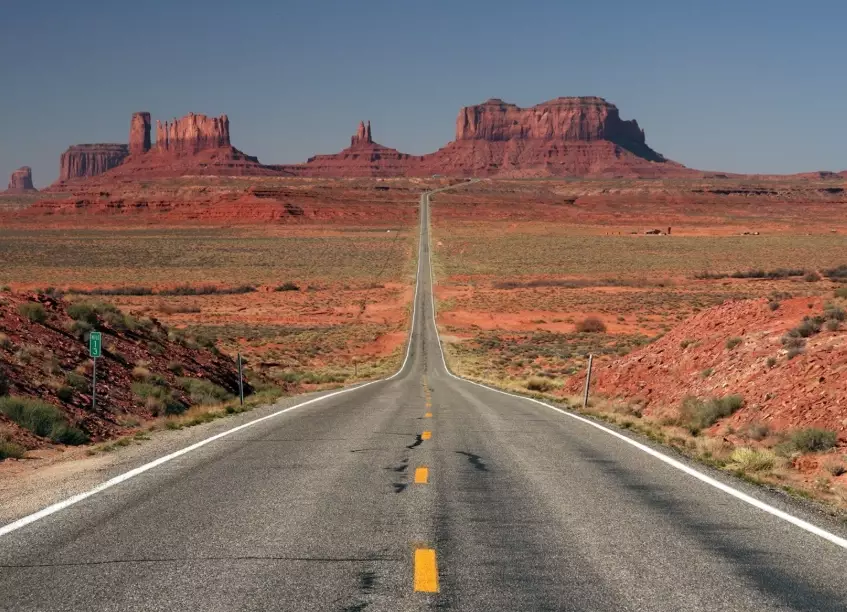
Practical Tips for Booking and Traveling
Once you've picked a region and a rough time frame based on the tables above, here are some concrete steps to lock in the best deals and avoid common pitfalls.
Flights: Everyone knows to search on Tuesdays and Wednesdays. But a trick most airlines don't advertise is that clearing your browser cookies or searching in incognito mode can sometimes yield lower prices. It's not a guarantee, but it's worth a shot. I use a combination of Google Flights for initial broad searches and then set up price alerts on specific airlines' apps. You'd be surprised how often a direct booking on an airline's own website is cheaper than through a third party, especially if you need to make changes.
Accommodation: For hotels, don't just look at the major booking sites. Check the hotel's own website. They often run promotions or offer perks like free breakfast or late checkout if you book directly. For vacation rentals, communication with the host is key. Read the recent reviews! Not just the overall rating, but what people specifically mention about the host's responsiveness and the accuracy of the listing photos.
Transportation: Renting a car? Consider if you really need that full-size SUV. In many cities, parking is a nightmare and gas is expensive. I often opt for a smaller, more fuel-efficient car. And always, always check the rental agreement for mileage limits and insurance coverage. I've been burned once by not realizing I had declined the supplemental insurance that my credit card covered.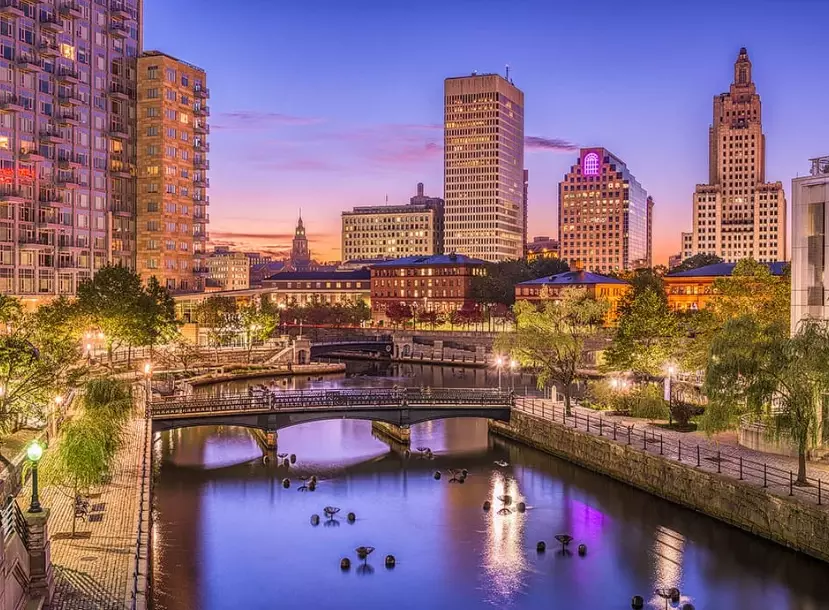


Comments
Leave a Comment