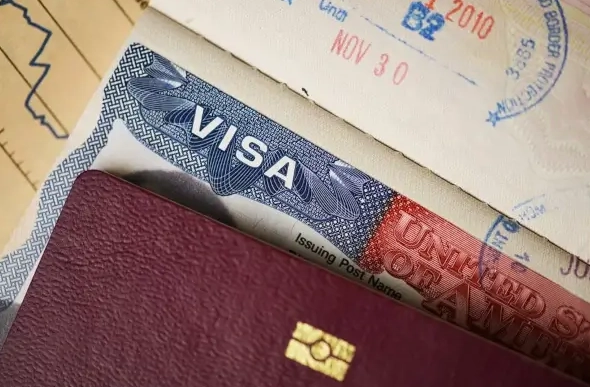
Let's cut to the chase. For a Nigerian citizen, traveling to the USA hinges on one non-negotiable item: a valid visa in your passport. You can't use the ESTA waiver. That's the core answer. But if you stop there, you'll likely get refused. What you really need is a successful U.S. visa application, and that's a process built on evidence, clarity, and convincing a consular officer you'll return home.
I've helped family and friends through this. The anxiety is real—the long lines at the Lagos embassy, the fear of a denied visa after spending money. This guide walks you through the actual requirements, not just the forms, but the unwritten rules that make the difference.
Your Quick Navigation Guide
The Visa You Actually Need: B-1/B-2
For tourism, visiting family, or general business meetings, you're applying for a B-1/B-2 visitor visa. It's a combined category. Don't overthink which one; the officer will issue it for the appropriate purpose.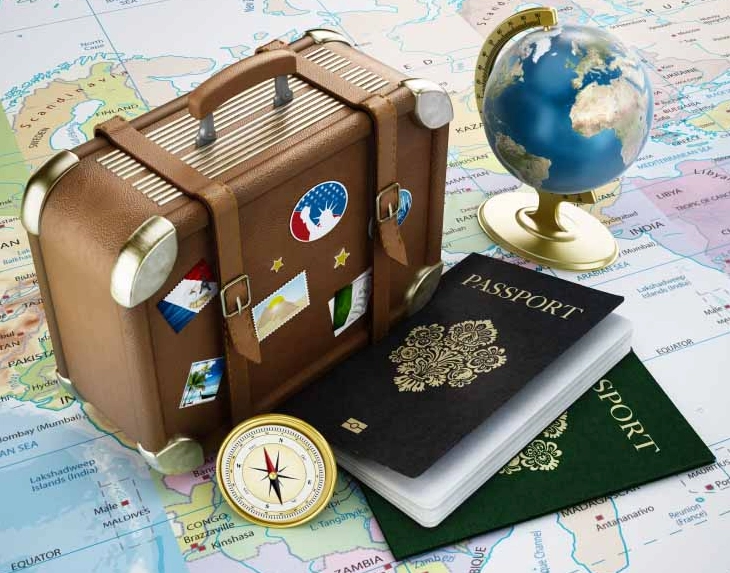
Key point: This visa is for temporary visits. The U.S. government's default assumption, frankly, is that applicants from countries with high immigration rates might not leave. Your entire application fights that assumption.
What it doesn't allow: You cannot work, study long-term, or get "paid" from a U.S. source. Attending a short conference or training is fine. If you're going for proper studies (F-1 visa) or work (H-1B, etc.), that's a completely different, often more complex, process.
The Non-Negotiable Document Checklist
Split your documents into two piles: Mandatory for the Application and Proof for the Interview. The online system needs the first pile. You carry the second pile to your interview, but the officer might not ask to see a single page. You must have them anyway.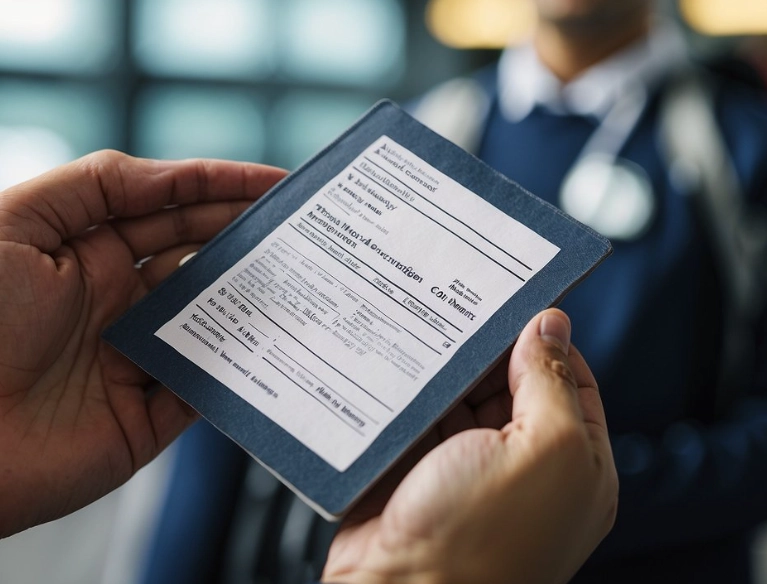
Mandatory for the Online Application (DS-160)
- Nigerian Passport: Valid for at least six months beyond your intended stay.
- Digital Photo: Recent, white background, no glasses or headwear unless religious. The DS-160 portal has strict specs.
- Travel Itinerary: Tentative dates and cities. Don't book non-refundable flights yet.
- Address of Where You'll Stay: A hotel booking or your host's U.S. address.
- Previous U.S. Travel History: Dates, visa numbers if applicable.
- Work & Education History: Details for the last five years.
Critical Proof for the Interview (Carry Originals)
- Ties to Nigeria: This is your ace. Employment letter (stating your position, salary, and leave approval), property deeds, business registration documents, evidence of family dependents.
- Financial Evidence: We'll dive deep into this next. Bank statements (6 months), fixed deposit certificates, tax documents.
- Travel Purpose Proof: Invitation letter from U.S. host (with their status copy), wedding invitation, conference registration.
- Old Passports: Showing previous international travel, especially to places like the UK or Schengen, builds credibility.
Navigating the Financial Proof Maze
This trips up many applicants. The officer needs to see you can afford the trip without working in the U.S. and that your funds look legitimate.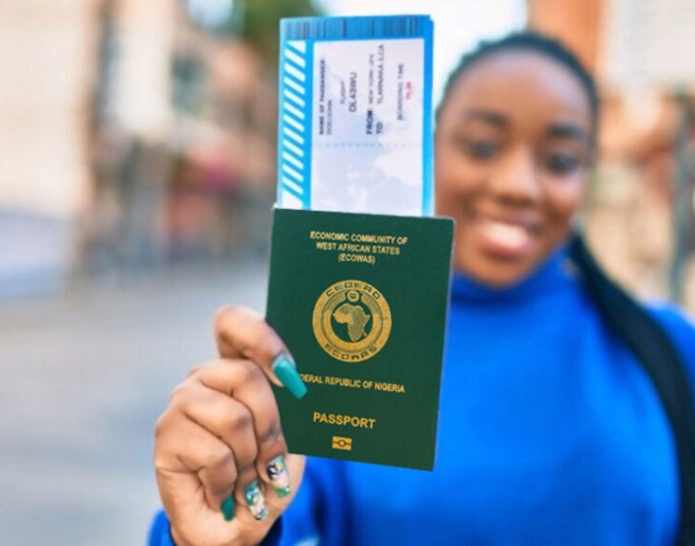
A common mistake? A family member dumps 5 million Naira into your account a week before the interview. That raises red flags. They want to see consistent savings and cash flow.
| Type of Evidence | What It Shows | Pro Tip |
|---|---|---|
| 6-Month Bank Statements | Consistency, salary deposits, healthy average balance. | Highlight your salary inflows. Be ready to explain any large, one-time deposits. |
| Official Employment Letter | Stable job & income source in Nigeria. | It must be on company letterhead, signed, and should mention your approved leave. |
| Tax Documents (PAYE) | Legal income and compliance. | Bring your tax clearance certificate or recent pay slips showing tax deductions. |
| Sponsor's Documents | If someone else is paying. | You need their bank statements, letter accepting financial responsibility, and proof of their relationship to you. |
How much is enough? There's no magic number. For a two-week trip, showing you have access to $5,000-$10,000 for expenses (beyond flight and hotel) is a safe benchmark. The key is the story the numbers tell.
Step-by-Step Application Process
It's a marathon, not a sprint. Follow this order religiously.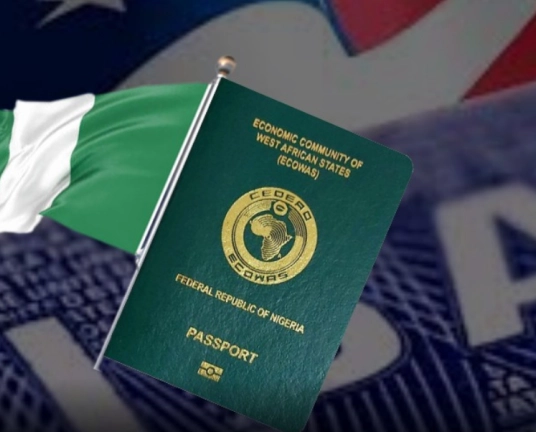
- Complete the DS-160 Form Online: This is your official application. Use the U.S. Department of State's Consular Electronic Application Center. Get your Application ID and save your confirmation page (you'll need the barcode).
- Pay the MRV Fee: The visa application fee is currently $185 USD. Pay at an approved bank (like GTBank or Zenith) in Naira. Keep the receipt.
- Schedule Your Interview: Create a profile on the U.S. Visa Information Service for Nigeria. Use your MRV receipt number to schedule appointments for both a document drop-off (if applicable) and the interview at the U.S. Embassy in Abuja or Lagos.
- Prepare Your Interview File: Organize all your proof documents logically in a folder.
- Attend the Interview: Show up early, but not excessively so. Dress respectfully. Answer clearly and confidently.
Interview Day: Strategies Beyond the Script
The interview lasts minutes. First impressions matter.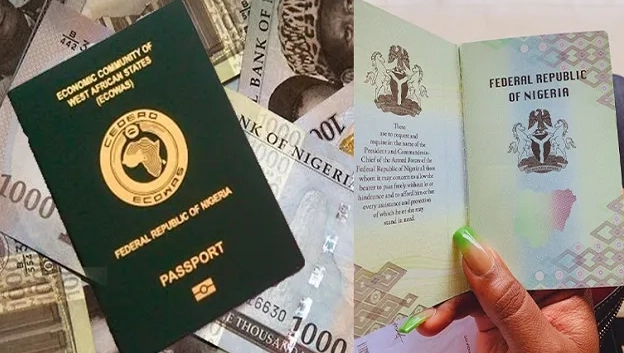
What not to do: Don't memorize a speech. Don't volunteer unsolicited documents unless asked. Don't argue. If you're denied, politely ask for the reason so you can address it next time.
What to do: Answer the question asked, directly and briefly. Be prepared for the core questions:
- "What is the purpose of your trip to the United States?" (Be specific: "To attend my niece's graduation in Houston on May 15th and tour Texas for 10 days.")
- "How long will you stay?" (Have exact dates from your itinerary.)
- "What do you do for work in Nigeria?" (Explain your job simply.)
- "Who is financing your trip?" (Tell the truth.)
- "Do you have family in the U.S.?" (Answer honestly. Having family isn't an automatic denial, but you must show stronger ties to Nigeria.)
The officer is assessing your credibility in those 2-3 minutes. Confidence comes from being over-prepared.
After the Visa: Pre-Departure Must-Dos
Congratulations! The visa stamp in your passport isn't a guaranteed entry. A U.S. Customs and Border Protection (CBP) officer at the port of entry makes the final call.
- EVUS is NOT for you: The Electronic Visa Update System is for Chinese passport holders only. Nigerians don't use it.
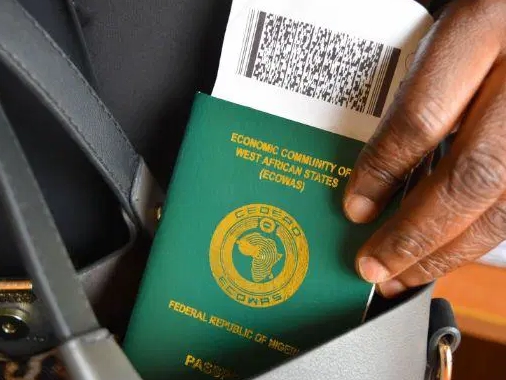
- Carry Your Proof File: Bring the same file of documents (ties, finances, itinerary) with you to the U.S. airport. The CBP officer may ask for them.
- Health Requirements: While no specific vaccines are mandated for entry, being up-to-date on routine vaccines (MMR, Polio, etc.) is wise. COVID-19 vaccination is no longer required for air travelers as of May 2023, but always check the latest CDC requirements before flying.
- Travel Insurance: Not required, but critically important. U.S. healthcare is astronomically expensive. A medical emergency without insurance can bankrupt you. Get a comprehensive policy that covers medical evacuation.
Your Burning Questions Answered
How much bank statement is required for a US visa from Nigeria?
The U.S. Embassy doesn't publish a fixed amount. The real requirement is to show consistent, legitimate financial activity that comfortably covers your trip's total estimated cost. For a typical two-week vacation, showing records equivalent to $5,000-$8,000 USD or more in savings—or proof of a steady income stream that amasses that—is a common-sense benchmark. The crucial part is being able to explain the source of any large, recent deposits. A steady six-month history of solid balances is far more convincing than a single large deposit made a week before your interview.
What are the most common reasons for US visa denial for Nigerian applicants?
Beyond incomplete paperwork, denials almost always come down to the consular officer not being convinced you'll return to Nigeria. The top reasons are: weak ties to Nigeria (an unstable job, no property, minimal family commitments), an unclear or inconsistent travel purpose, insufficient or questionable financial evidence, and a lack of international travel history. A less obvious reason is over-preparation that comes off as rehearsed and robotic; your answers should be confident but natural, not recited word-for-word from a script you read online.
Can I apply for a US visa if I have a Nigerian passport but live in another country?
Yes, you can usually apply at a U.S. Embassy or Consulate in your country of legal residence. This is often a good strategy if you have stronger ties (like a long-term job or residency permit) there than in Nigeria. Use the U.S. Department of State's embassy finder to locate the correct post. Be prepared to thoroughly explain your residence status and may need to provide additional proof, like a local residence permit or utility bills.
How long does it take to get a US visa in Nigeria?
The timeline is unpredictable. After paying the MRV fee, the first major hurdle is securing an interview appointment at the Lagos or Abuja embassy. Wait times for appointments can range from a few weeks to several months, depending on the season and applicant volume. Always apply months in advance of your planned travel. After a successful interview, if your case requires administrative processing, that can add several days or even weeks. Once issued, passport return via the courier service (DHL) typically takes 5-10 business days. Check current wait times on the official U.S. Visa Information Service website for Nigeria.
Look, the process is demanding by design. It filters for prepared applicants. Don't see it as a barrier, but as a checklist to methodically complete. Gather your evidence, tell a true and coherent story about your trip and your life in Nigeria, and walk into that interview ready to have a normal, brief conversation. That's what a Nigerian truly needs to travel to the USA.



Comments
Leave a Comment