In This Guide
Let's get this out of the way first: there is no single, perfect, one-size-fits-all answer. Anyone who tells you "June is best" or "go in October" is oversimplifying a country that's practically a continent. Think about it. A winter day in Miami could be a balmy 80°F (27°C) perfect for the beach, while in Minneapolis it's a bone-chilling -10°F (-23°C). The "best" time completely depends on where you want to go, what you want to do, your budget, and your tolerance for crowds and weather.
I've made the mistake of booking a trip to New England in November, dreaming of fall foliage, only to find most trees bare and a chilly drizzle that wasn't in the brochure. Conversely, I've lucked out with a September trip to the Southwest where the summer crowds had vanished but the pools were still open. It's all about alignment.
This guide isn't about giving you a date. It's about giving you the framework to find your own personal best time to visit the USA. We'll tear apart the seasons, zoom in on specific regions, talk money, crowds, and even what you want to get out of your trip. By the end, you'll be your own expert.
The Core Idea: The USA's sheer size creates multiple climate zones and tourist seasons. The "best" time is a balancing act between pleasant weather, manageable crowds, reasonable costs, and seasonal events or scenery you specifically want to experience.
The Big Picture: Breaking Down the American Seasons
Most people think in terms of Summer, Fall, Winter, Spring. For US travel, that's a decent start, but it needs nuance. Let's define what these seasons actually mean for a traveler.
Summer (June - August)
This is peak season for most of the country, and for good reason. School's out, days are long, and the weather is reliably warm to hot almost everywhere. National parks are fully accessible, festivals are in full swing, and every tourist attraction is open. Sounds great, right?
Here's the catch: everyone else thinks so too. I'm talking about long lines at the Statue of Liberty, bumper-to-bumper traffic in Yellowstone, sky-high prices for flights and hotels in cities like New York and San Francisco, and booked-solid rental cars. Coastal areas like the Hamptons or Southern California beaches get packed. The heat in places like the Southwest (Arizona, Nevada) or the South (Texas, Louisiana) can be brutal and even dangerous for hiking.
Best for: Family travel (because of school schedules), visiting northern destinations like the Pacific Northwest or New England where summer is short and glorious, beach vacations, attending specific summer festivals or events, first-time visitors who want the classic "full access" experience.
Fall / Autumn (September - November)
My personal favorite contender for the overall best time to visit USA for many regions. The crowds from summer begin to dissipate after Labor Day (early September). Prices start to drop. The weather is often sublime—warm, sunny days and cool, crisp nights. But the real star is the foliage.
New England's fall foliage is world-famous for a reason. Driving through Vermont or New Hampshire in early October is like moving through a painting. But it's not just the Northeast. The Aspen trees in Colorado turn a stunning gold, and even the Smoky Mountains put on a spectacular show. Shoulder season deals become more common.
The downside? It's a short season, and timing the "peak" color is tricky (it varies yearly). By late November, much of the country is transitioning to winter. Also, some summer-centric services in places like mountain resorts or coastal towns start to wind down.
Best for: Leaf-peeping, wine country visits (harvest season!), city breaks with pleasant weather, hiking in national parks without the summer heat, road trips, photographers.
Winter (December - February)
Winter splits the country in two. In the north and mountains, it's a wonderland for skiers and snowboarders. Destinations like Colorado, Utah, Lake Tahoe, and Vermont come alive. Christmas in New York or Chicago has a magical, festive feel, despite the cold.
Meanwhile, the South and Southwest become the warm-weather havens. Florida, Arizona, Southern California, and the Gulf Coast see their peak seasons. It's the perfect time to explore the deserts of Arizona or the beaches of Miami, though you'll pay peak prices in these sunny escapes.
Best for: Skiing/snowboarding, festive holiday experiences, escaping to warm-weather destinations, visiting popular southern cities like New Orleans or Savannah with milder temps, finding deals in northern cities (outside of the Christmas/New Year's period).
Spring (March - May)
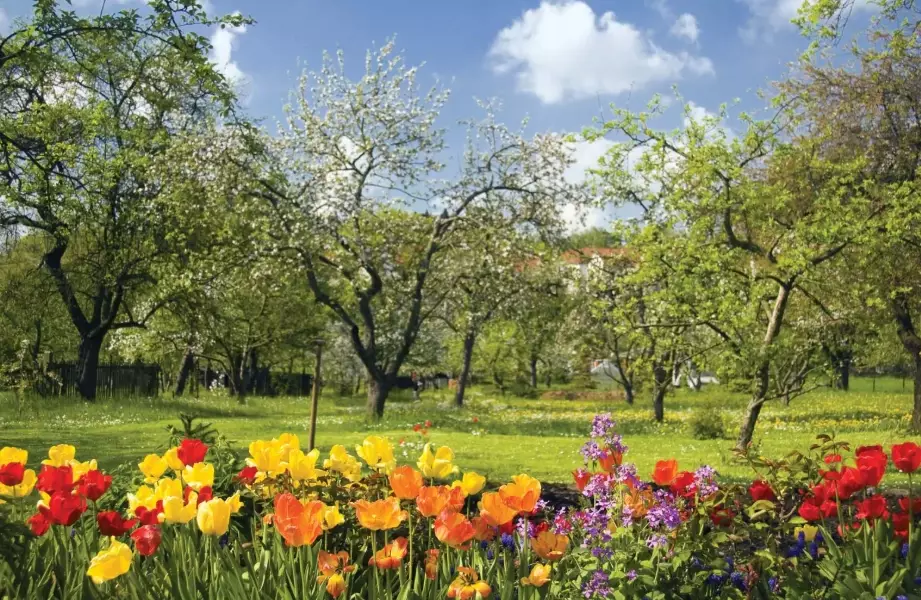
Spring is the other fantastic shoulder season. Nature wakes up. Wildflowers bloom in Texas and California. The cherry blossoms in Washington D.C. are a national event (check the National Park Service bloom watch for predictions). Crowds are still relatively low until Memorial Day (late May). Weather is increasingly pleasant, though it can be unpredictable—"spring showers" are a real thing, especially in the East.
Spring break (typically March) is a major exception. College students descend on Florida, Mexico, and other party destinations, driving up prices and energy levels. Avoid these specific hotspots if you're not seeking that vibe.
Best for: Visiting the desert before it gets scorching hot, seeing wildflowers, enjoying Washington D.C. with the blossoms, hiking in moderate temperatures, finding good value before the summer surge.
Your Regional Cheat Sheet: Where and When
This is where we get practical. The USA is too diverse for one rule. Let's break it down by major tourist regions.
| Region | Prime Season (Best Weather) | Shoulder Season (Great Value) | Low Season (Budget/Unique) | Key Considerations |
|---|---|---|---|---|
| Northeast (NY, Boston, DC, New England) | Late May - Early June, Sept - Oct | April - mid-May, November | Dec - Mar (cold, snow), Jul - Aug (hot/humid & crowded) | Fall foliage is peak demand. Summers can be oppressively humid in cities. Winter offers city deals but pack for cold. |
| South (Florida, Gulf Coast, Atlanta, Nashville) | Nov - April (warm & dry) | May, October | Jun - Sep (hot, humid, hurricane risk) | "Snowbird" season = high prices in winter. Summer is storm season and intensely hot. Spring break crowds in March. |
| Southwest (Arizona, Nevada, Utah, NM) | Oct - April (mild desert temps) | May, September | Jun - Aug (extreme heat) | Desert heat in summer is no joke (110°F+/43°C+). Ideal for hiking in Spring/Fall/Winter. Monument Valley, Grand Canyon are best outside summer. |
| West Coast (California, Oregon, Washington) | May - Oct (long, dry, sunny) | April, November | Dec - Mar (rainy in north, cooler statewide) | Northern CA/PNW has wet winters. Southern CA is mild year-round but can be cloudy May-June ("May Gray"). Coastal fog common in summer. |
| Rocky Mountains (Colorado, Montana, Wyoming) | Jun - Sep (summer), Dec - Mar (winter ski) | May, October | Apr - May (mud season), Nov (between seasons) | Two distinct peaks: summer for hiking/parks, winter for skiing. "Mud season" in spring has limited activities. Fall is short but gorgeous. |
| Midwest & Great Lakes (Chicago, Great Lakes) | Jun - Aug, Sept - Oct | May, October | Nov - Apr (can be very cold/snowy) | Summer is vibrant but can be humid. Fall color is excellent. Winters are harsh but offer unique ice festivals. Spring is slow to warm. |
See how it changes? Picking the best time to visit USA national parks in Utah (like Zion or Arches) is a completely different calculation than picking the best time for the theme parks in Orlando.
Beyond the Calendar: What REALLY Defines the "Best" Time for YOU?
Weather and crowds are the big two, but they're not everything. Let's dig into other factors that should swing your decision.
Your Budget: The Money Talk
Let's be real, this is often the deciding factor. The difference between peak and off-peak can be hundreds, even thousands, of dollars.
- Peak Price Periods: Summer (everywhere), Winter (in warm destinations like Florida/Arizona), Thanksgiving to New Year's (for flights and city hotels), Major Holidays (July 4th, Memorial Day).
- Value Seasons: Shoulder seasons (Spring & Fall) almost universally offer better deals. January-February (excluding holidays) for non-ski northern cities. Early December before the holiday rush.
- Budget Hack: Look at "shoulder season" in your desired region. Want California? April or November might have great weather and much better prices than July. For the South, late April or October avoids peak winter rates and brutal summer heat.
What You Actually Want to DO (This is Key!)
Your activities dictate the season. Make a list of your non-negotiables.
- National Parks Hiking: Spring/Fall for Southwest deserts. Summer for high-altitude parks like Rocky Mountain or Glacier. Some parks (like Yellowstone) have most roads closed in winter.
- City Sightseeing: Shoulder seasons (Spring/Fall) are ideal. Walking around New York in July humidity or Chicago in January wind chill is... challenging.
- Beach Vacation: Summer for the Northeast and Pacific Northwest. Late Spring/Early Fall for California. Winter for Florida and Hawaii (though it's peak season there).
- Road Trips: Spring and Fall offer the best combo of good weather, open roads, and open services (unlike winter when some mountain passes close).
- Festivals & Events: You're locked into a date. Mardi Gras (Feb/Mar), Coachella (Apr), Albuquerque Balloon Fiesta (Oct), Sundance Film Festival (Jan). Plan and book far, far in advance.
Crowd Tolerance: How Much Do You Hate Lines?
Be honest with yourself. Some people thrive on energy; others find crowds draining.
If you're in the latter camp, you need to strategize. This might mean:
- Visiting iconic places like the Smithsonian museums or the National Mall in Washington D.C. in the colder months.
- Exploring popular national parks the week after Labor Day in September.
- Choosing a city like Portland or Austin over San Francisco or New York during the summer.
- Simply accepting that you'll wait in line, but booking as many skip-the-line tickets or advance reservations as possible.
Answers to the Questions You're Actually Asking (FAQ)
Let's get specific. Here are the real questions people type into Google.
Historically, January and February (after the New Year's rush but before Spring Break) are the cheapest months for international flights, excluding holiday periods. Mid-week flights (Tuesdays, Wednesdays) are also typically cheaper than weekends. Use tools like Google Flights' price graph to visualize the cheapest months for your route.
You can't have perfect weather "everywhere" due to the climate zones. However, the periods of May-June and September-October come the closest. These months generally avoid the extreme summer heat in the south, the bitter winter cold in the north, and the heavy winter rains on the West Coast. It's the sweet spot for most regions.
New England is the classic choice, with peak color usually from late September to mid-October, moving north to south. For less crowded but equally stunning displays, consider the Adirondacks in New York, the Blue Ridge Parkway in North Carolina/Virginia, or the Aspen forests in Colorado (late September). Check state tourism foliage trackers like Vermont's as your trip approaches.
Not "bad," but it's the most crowded and requires the most planning. You must book accommodations inside or near the park months in advance. Arrive at park entrances before 8 AM to avoid lines. Focus on parks at higher elevations (Grand Teton, Glacier, Rocky Mountain) where summer weather is perfect. Avoid iconic but low-elevation parks like Zion or the Grand Canyon South Rim in peak summer heat—opt for the North Rim of the Grand Canyon instead, which is higher and cooler.
The Atlantic hurricane season runs officially from June 1 to November 30, with peak activity from mid-August to late October. To minimize risk for Florida, the Gulf Coast, and the Southeast coast, aim for the dry season from December to April. If you travel during hurricane season, always get travel insurance that covers weather disruptions. It's a non-negotiable. You can monitor outlooks from the National Hurricane Center.
Putting It All Together: A Simple Planning Checklist
- Pick Your Priority: Is it a specific place (New York), an activity (hiking), an event (Mardi Gras), or a feeling (beach relaxation)? Start there.
- Research That Specific Region's Climate: Don't just guess. Look up average temperatures and rainfall for your target months on a site like Weather.gov's climate data.
- Check the Crowd Calendar: A quick search for "[Destination] tourist season" will tell you when the masses arrive.
- Price It Out: Plug tentative dates into flight and hotel search engines. See how the numbers look. Does the "best weather" month break the bank?
- Look for Deal-Breakers: Are major attractions closed for the season? (e.g., some Alaskan tours, certain park roads). Is there a major convention or event that will swallow all hotel rooms?
- Embrace the Shoulder: Seriously, consider moving your trip a few weeks earlier or later. The difference in cost and comfort can be dramatic.
Finding the best time to visit the USA is a puzzle, but the pieces are all here. It's about matching the country's vast offerings to your personal travel style, budget, and dreams. Sometimes the "best" time is when you can get the time off work, and that's okay too—just use this guide to make the most of it. With a little planning, you can have an incredible American experience, whether you're wearing a parka in Chicago or flip-flops in San Diego.
Happy travels.




Comments
Leave a Comment