I was just there last month. Walking from Union Square towards the cable car turn-around, I had that same old question pop into my head, one I've been hearing from friends, readers, and family for the past two years: are tourists still going to San Francisco?
You see the headlines. You read the comments. The narrative can get pretty bleak. But then I looked around. I saw a family from Germany, maps in hand, marveling at the architecture. I heard the excited chatter of a group heading to Alcatraz. The line for the cable car was, admittedly, shorter than I remember from 2019, but it was there. People were waiting. So what's the real story?
Let's cut through the noise. The short, honest answer is yes, tourists are still going to San Francisco, but the "who," "why," and "how" have shifted in some pretty interesting ways. The days of mindless, checklist tourism are fading. The visitors coming now are often more intentional, more prepared, and in many ways, get to experience a different side of the city. This isn't a sugar-coated postcard. It's a practical, boots-on-the-ground look at what it's actually like to visit SF right now, the good and the not-so-good, so you can make an informed decision.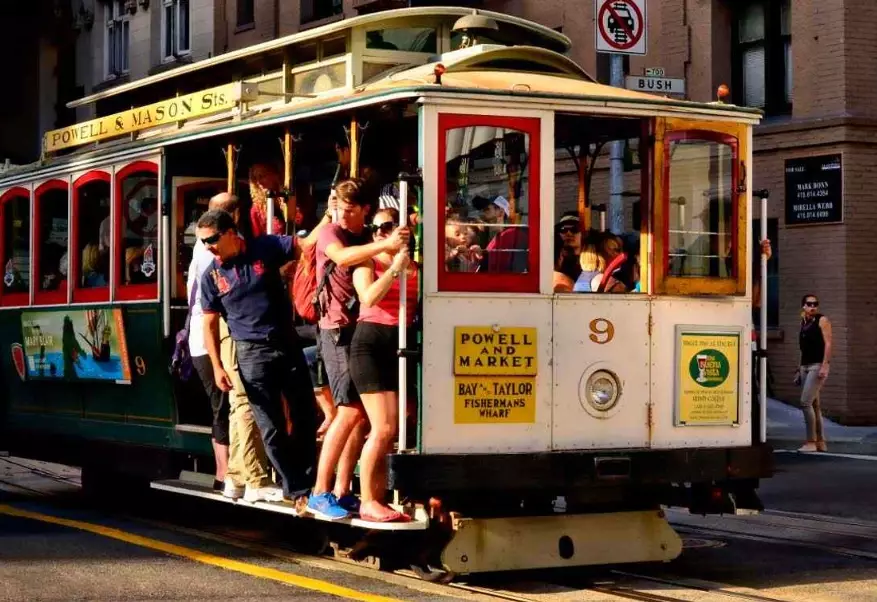
The Data Point: According to the San Francisco Travel Association, the city's official tourism marketing arm, 2023 saw a significant rebound. They reported approximately 21.9 million visitors, contributing nearly $7.9 billion to the city. That's still below 2019's pre-pandemic peak of 26.2 million, but it's a strong, upward trend. The convention business is roaring back, and international travel is steadily returning. So in pure numbers, yes, people are most definitely still coming.
Explore This Guide
- Why Are People Even Asking "Are Tourists Still Going to San Francisco?"
- The Big Reasons Why Tourists ARE Still Choosing San Francisco
- The Elephant in the Room: Addressing Safety and Other Concerns
- What's Changed? The Post-Pandemic Vibe
- Making Your Decision: A Framework
- If You Go: An Optimized 2024 Itinerary Idea
- Frequently Asked Questions (The Real Ones People Ask)
- The Bottom Line
Why Are People Even Asking "Are Tourists Still Going to San Francisco?"
It's not a random question. It comes from a real place of concern, fueled by a constant stream of media reports. We're talking about stories focusing on retail closures in Union Square, discussions about office vacancy rates, and undeniable challenges with property crime and open-air drug markets in certain districts. The San Francisco Chronicle covers these issues in depth, as they should—it's local news doing its job. But for someone planning a vacation from Ohio or London, this fragmented media picture can be overwhelming. It creates a giant question mark over the entire city.
What gets lost is the scale. San Francisco is a city of distinct neighborhoods, each with its own personality. Problems concentrated in a few blocks of the Tenderloin or SoMa don't define the experience in Pacific Heights, the Marina, or out at Ocean Beach. Yet, the perception becomes monolithic: "San Francisco has problems." Well, what major American city doesn't?
The question "are tourists still going to San Francisco?" is really a bundle of more specific, practical worries:
- Will I be safe walking around?
- Is it worth the high cost if some areas feel run-down?
- Have the iconic attractions lost their magic?
- Will the city feel depressing or vibrant?
These are completely valid. Let's tackle them with data and direct experience, not fear.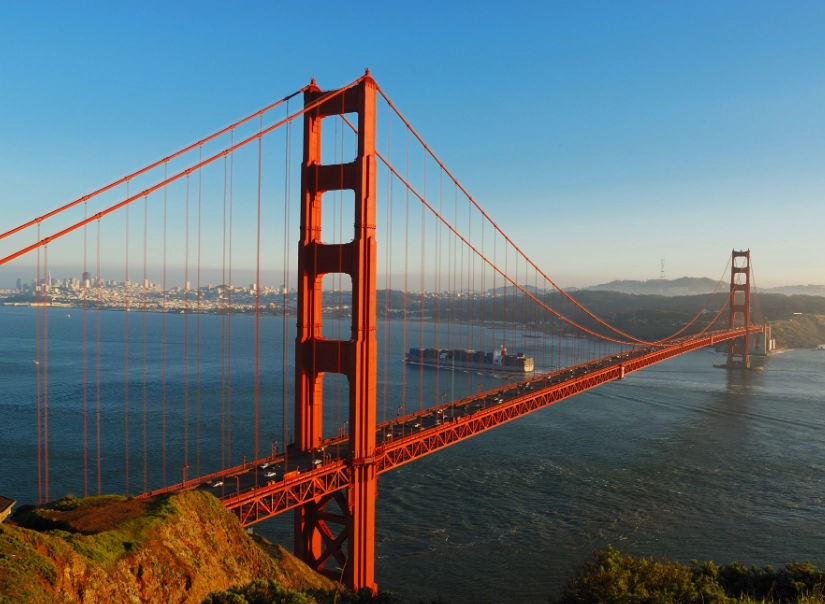
The Big Reasons Why Tourists ARE Still Choosing San Francisco
Despite the chatter, the city's core attractions haven't boarded up and left. They're still here, and for many, they're as compelling as ever. Let's talk about the magnets.
The Unbeatable Classics
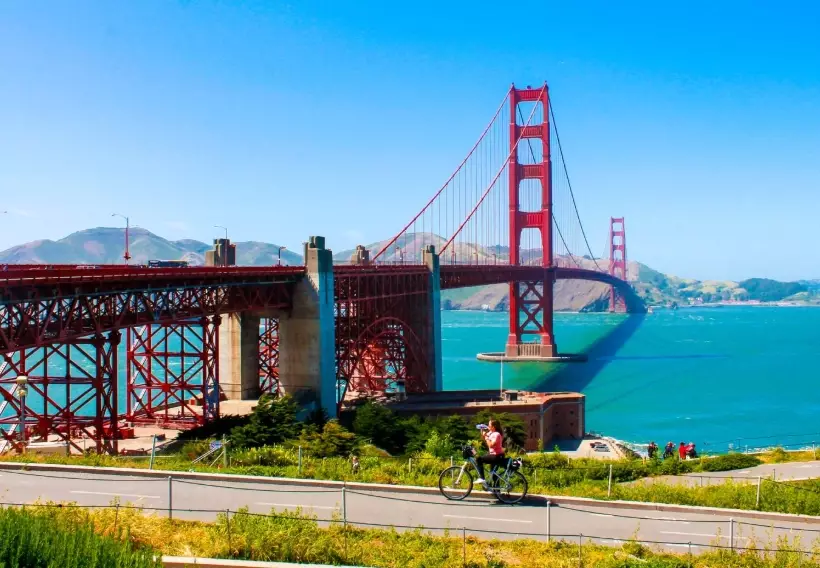
The Golden Gate Bridge isn't going anywhere. Neither is Alcatraz. These are world-class, singular destinations. Standing on the Marin Headlooks at sunset, watching the fog pour through the Gate—that experience is untouched. It's pure magic. The cable cars are a National Historic Landmark, a moving museum piece. Riding one up a steep hill is a thrill you can't get anywhere else. Fisherman's Wharf might be touristy (okay, it's very touristy), but watching the sea lions bark at Pier 39, eating sourdough bread bowls, and seeing the historic ships at Hyde Street Pier—it's a classic for a reason. First-time visitors, especially families, want these experiences. And they should.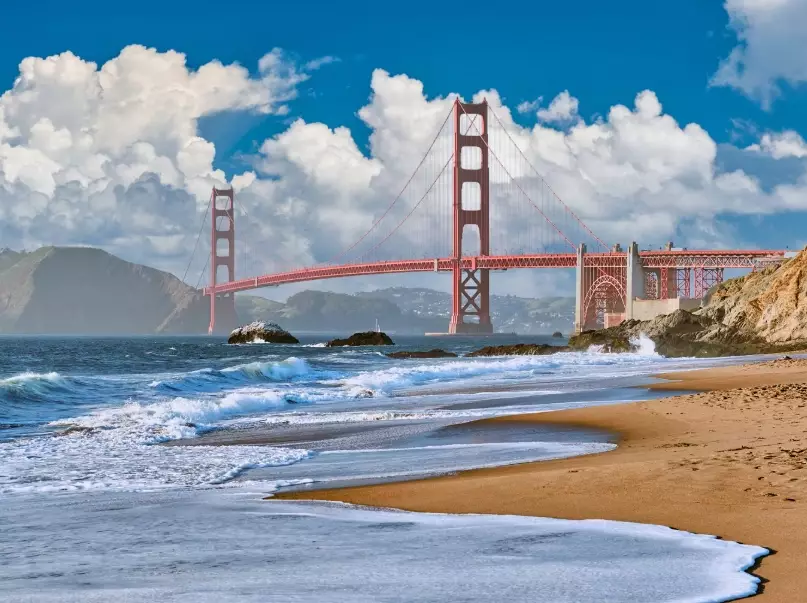
Culture, Food, and Neighborhood Vibes
This is where San Francisco shines for repeat visitors or those looking to go deeper. The food scene remains phenomenal. You can have a life-changing burrito in the Mission, incredible Burmese food in the Richmond, and Michelin-starred tasting menus downtown. The SFMOMA is a world-class museum. The Presidio has been transformed into an incredible national park with stunning views, hiking trails, and the new Tunnel Tops park. Neighborhoods like Hayes Valley, the Castro, and North Beach buzz with independent shops, cafes, and a palpable sense of community. This layered, cultural depth is a huge draw.
It's the Gateway to Everything
For many international travelers and Americans alike, SF is the start or end point of a bigger trip. It's the gateway to Napa and Sonoma wine country, to the giant redwoods in Muir Woods, to the coastal drama of Highway 1 down to Big Sur. You can't beat that geographic launching pad.
So, are tourists still going to San Francisco for these things? Absolutely. But they're often pairing them with more research and adjusted expectations.
The Elephant in the Room: Addressing Safety and Other Concerns
Okay. We have to talk about it. Because if you're typing "are tourists still going to San Francisco" into Google, safety is likely your top concern. I'm not a politician or a PR rep. I'm a traveler who walks around with my eyes open. Here's the nuanced truth.
The Honest Take: There are parts of San Francisco that feel rough, particularly downtown around Market Street and in the Tenderloin. The visibility of homelessness, mental health crises, and open drug use is higher and more confronting than in many other cities. Property crime, especially car break-ins, has been a severe and persistent issue. To ignore this is to do you a disservice.
But—and this is a crucial but—this does not mean the entire city is unsafe to walk through. It means you need to be smart, informed, and practice basic urban awareness, much like you would in any large city.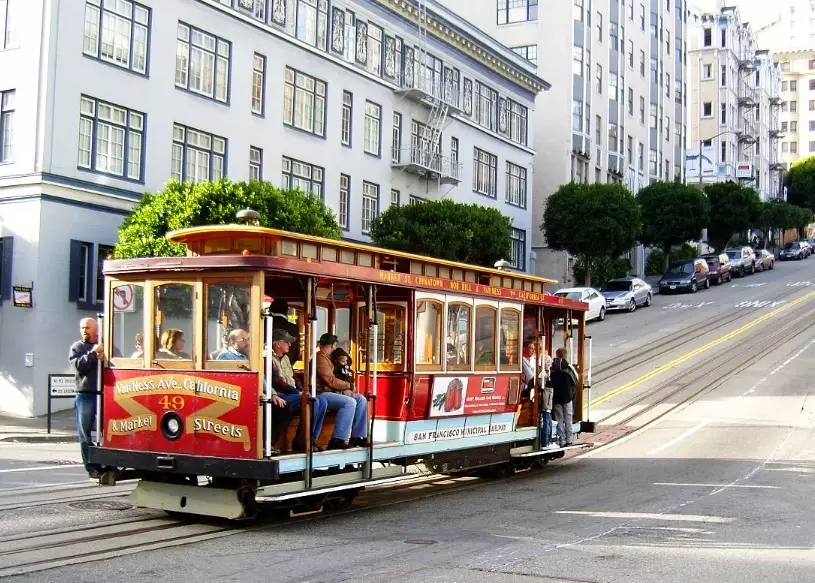
A Practical Safety & Awareness Guide
Here’s a breakdown of common concerns and how to navigate them, based on current conditions and local advice.
| Concern | The Reality Check | Practical Tips for Tourists |
|---|---|---|
| Violent Crime | Statistically, San Francisco's violent crime rate is lower than many other major U.S. cities like Houston, Atlanta, or Philadelphia. The fear often outpaces the statistical reality for tourists. The SFPD's crime data portal shows trends, but random violent attacks on tourists in high-traffic areas are rare. | Use normal city sense. Be aware of your surroundings, especially at night. Stick to well-lit, populated streets. Avoid walking alone through the Tenderloin or parts of SoMa late at night. |
| Property Crime & Car Break-Ins | This is the #1 issue. It's rampant, especially in tourist areas like Fisherman's Wharf, Alamo Square (Painted Ladies), and Golden Gate Park. Thieves target rental cars and any visible items. | DO NOT LEAVE ANYTHING IN YOUR CAR. Not a jacket, not a phone charger, not an empty bag. Treat your car as completely empty at all times. Use guarded parking lots. Better yet, rely on public transit, rideshares, and walking—it's often easier. |
| Homelessness & Street Conditions | You will see it, particularly in the downtown core. It can be unsettling. It's a complex humanitarian crisis, not a tourist attraction. | Be compassionate but keep your distance. Don't engage aggressively. If you feel uncomfortable, cross the street. Most individuals are not looking for interaction. |
| General Street Smarts | Petty theft (like phone snatching) can happen in crowded areas. | Keep your phone secure, not loosely in your hand at the curb. Use cross-body bags. Don't leave purses/backpacks unattended at cafe chairs. |
Look, walking through a part of town that's struggling can be a downer. It can color your impression. I felt that too. But it's not the whole picture. You can have a fantastic, safe, and uplifting trip by planning your itinerary around amazing neighborhoods and staying alert.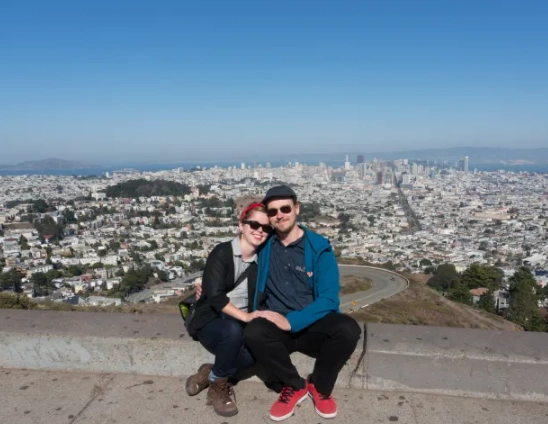
Local's Tip: If the downtown situation bums you out, spend less time there. Base your stay in a neighborhood like Japantown, the Marina, or near Golden Gate Park. You'll get a completely different, more residential and pleasant vibe. Use downtown as a hub for specific museums or theaters, then leave.
What's Changed? The Post-Pandemic Vibe
So, are tourists still going to San Francisco and finding the same city from 2019? Not exactly. The pandemic accelerated some changes.
The work-from-home exodus hit downtown retail hard. Some flagship stores in Union Square have closed. The financial district feels quieter during the week. This has created a strange duality: the tourist corridors near the water are busy, while just a few blocks inland can feel oddly empty on a Tuesday afternoon.
But nature abhors a vacuum. New things are popping up. Hayes Valley and the Mission continue to thrive with indie businesses. The Port of San Francisco is actively working on revitalizing the Embarcadero. There's a sense of the city recalibrating.
The crowds are different. You'll see fewer massive, shuffling tour groups from certain markets (for now). This can actually be a benefit. Getting a ticket to Alcatraz might be slightly easier. You can actually get a seat at a popular restaurant without booking months in advance. The experience can feel more intimate.
It's a city in transition, no doubt.
Making Your Decision: A Framework
Should YOU go? Instead of a yes/no, ask yourself these questions:
- What's your travel style? If you're an adventurous, resilient traveler who practices urban awareness and wants culture/food/nature, you'll have a great time. If you're looking for a pristine, perfectly polished, hassle-free resort-like city experience, you might get frustrated.
- Is this your first US trip? For a first-timer wanting the classic postcard highlights, SF still delivers powerfully. Just plan and manage expectations regarding urban grit.
- What's your budget? It's still very expensive. Hotels, food, parking—it adds up. The value proposition has shifted; you're paying a premium, so make sure the itinerary excites you.
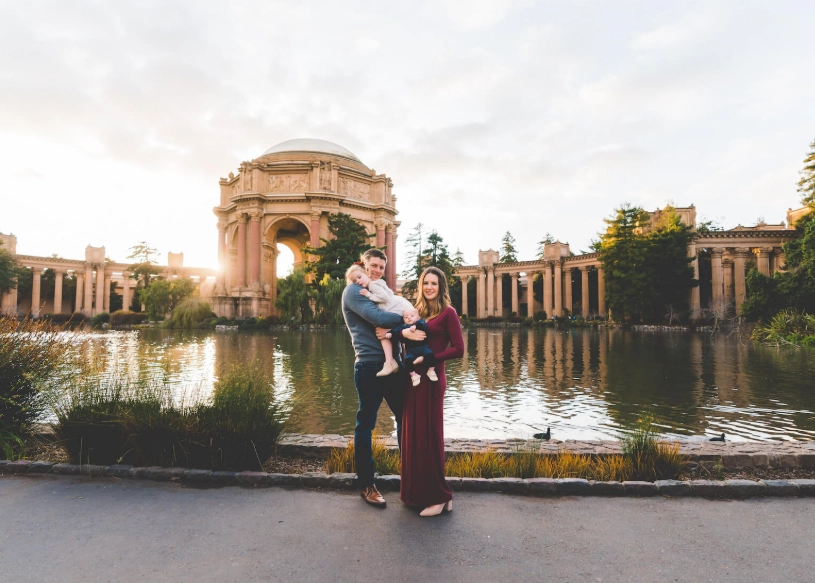
My personal take? I love San Francisco. I hate seeing it struggle. But its beauty—the light on the bay, the fog rolling over Twin Peaks, the incredible meal in a neighborhood restaurant—is still profoundly there. It's a city that rewards the engaged visitor and punishes the careless one, now more than ever.
If You Go: An Optimized 2024 Itinerary Idea
Forget the old, spread-out itineraries. Here’s a smarter way to structure a 3-day trip to maximize enjoyment and minimize hassle.
Day 1: The Iconic Core (Embrace the Tourist)
Start early at Fisherman's Wharf (it's less crowded). See the sea lions, grab a coffee. Book the first Alcatraz ferry of the day—it's the best time to go. Spend 3-4 hours there; the audio tour is fantastic. Afternoon: Walk or bike across the Golden Gate Bridge (or just view it from Crissy Field/Battery Spencer). Evening: Dinner in North Beach (Italian) or Chinatown.
Day 2: Culture & Neighborhoods (Dive Deeper)
Morning in the Mission: Get a burrito, see the murals in Balmy Alley, browse bookstores. Afternoon: Head to Hayes Valley for boutique shopping and great cafes. Or visit the de Young Museum and the California Academy of Sciences in Golden Gate Park (you need tickets). Evening: Catch a show in the Theater District or have a fancy dinner.
Day 3: Views & Local Flavor
Morning at the Presidio: Hike the Coastal Trail, see the Palace of Fine Arts, explore the new Tunnel Tops park with epic bridge views. Afternoon: Pick a neighborhood you loved for a final explore—maybe the Ferry Building for artisan food, or Japantown for ramen and mochi. Leave your rental car at the hotel and take a rideshare to the airport.
Frequently Asked Questions (The Real Ones People Ask)
The Bottom Line
So, are tourists still going to San Francisco?
The answer is a definitive yes, but they are increasingly the savvy ones. They're the travelers who do their homework, who book Alcatraz tickets in advance, who leave nothing in their rental car, who stay in vibrant neighborhoods, and who come for the specific magic that San Francisco still holds uniquely: that breathtaking geography, that innovative spirit, that incredible food, and those moments where you turn a corner and see the bay sparkling below you.
It's not a simple destination right now. It asks a bit more of you. It can disappoint in some spots and absolutely dazzle in others. But for the prepared traveler looking for an authentic, world-class urban experience with stunning natural beauty, the journey is still very much worth it. The heart of the city is still beating, maybe a little differently, but it's there, waiting to be discovered with clear eyes and an open mind.
Just go knowing what you're getting into. And maybe you'll be one of the people answering the question for a friend next year.
Comments
Leave a Comment