Let's cut to the chase. There is no single "best" month to visit New York. Anyone who gives you a one-word answer is oversimplifying. The truth is, the perfect time depends entirely on what you want from your trip. Are you chasing perfect weather? Trying to avoid crushing crowds? Hunting for Broadway ticket deals? Or do you live for the electric buzz of a specific holiday?
I've been navigating NYC for over a decade, through every kind of snowstorm, heatwave, and tourist stampede. The secret isn't finding a universally perfect month—it's matching a season to your personal travel style. This guide breaks down every month, not with generic fluff, but with the specific details you need to book confidently.
Your Quick Guide to NYC Seasons
Spring in NYC: Blossoms & Renewed Energy
Spring is a release. After winter, the city collectively sighs and steps outside. The energy is optimistic, but it's a slow build from unpredictable March to glorious May.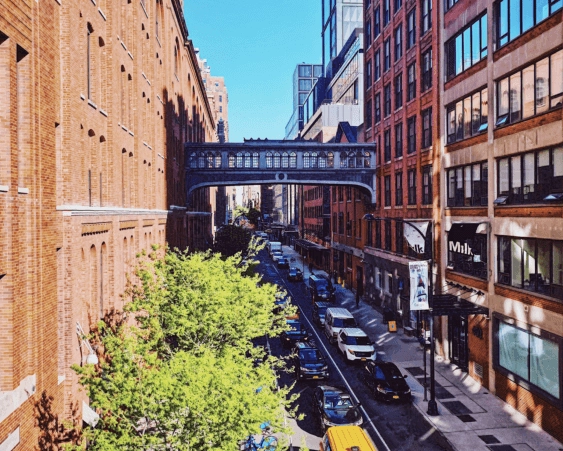
March: The Wild Card
Weather: A complete gamble. You could get a sunny 60°F (15°C) day or a slushy snowstorm. Pack layers.
Crowds: Thin, except around St. Patrick's Day (March 17th). The parade is a massive, rowdy street party—fun to witness, hectic to navigate.
Vibe: Transitional. Some days feel like winter's last gasp.
Best For: Budget travelers, last-minute hotel deals, and having museums mostly to yourself.
April: When the City Blooms
Weather: Finally milder, with averages in the 50s-60s°F (10-18°C). Rain is common.
Crowds: Start to pick up, especially during Easter and spring break weeks.
Don't Miss: The cherry blossoms. Forget D.C.; the Cherry Esplanade at the Brooklyn Botanic Garden is stunning and less mobbed. Peak bloom varies but often hits mid-to-late April. Also, the quirky Easter Parade and Bonnet Festival on Fifth Avenue—no floats, just fabulous, homemade hats.
Watch Out: Hotel prices begin their seasonal climb.
May: Nearly Perfect
Weather: Ideal. Days in the 60s-70s°F (15-23°C), low humidity, long sunny days.
Crowds: Definitely touristy, but not at peak summer levels yet.
Key Events: Fleet Week (late May) brings sailors and ships—a unique spectacle. The Ninth Avenue International Food Festival is a delicious, crowded block party. Memorial Day weekend marks the unofficial start of summer; expect heavier traffic and full hotels.
The Local's Tip: The first two weeks of May are golden. The weather is settled, and the pre-summer rush hasn't fully hit.
Summer in NYC: Festival Heat & Crowded Streets
Summer is NYC at its most intense. It's loud, crowded, hot, and bursting with life. You don't come for peaceful reflection; you come for the non-stop energy.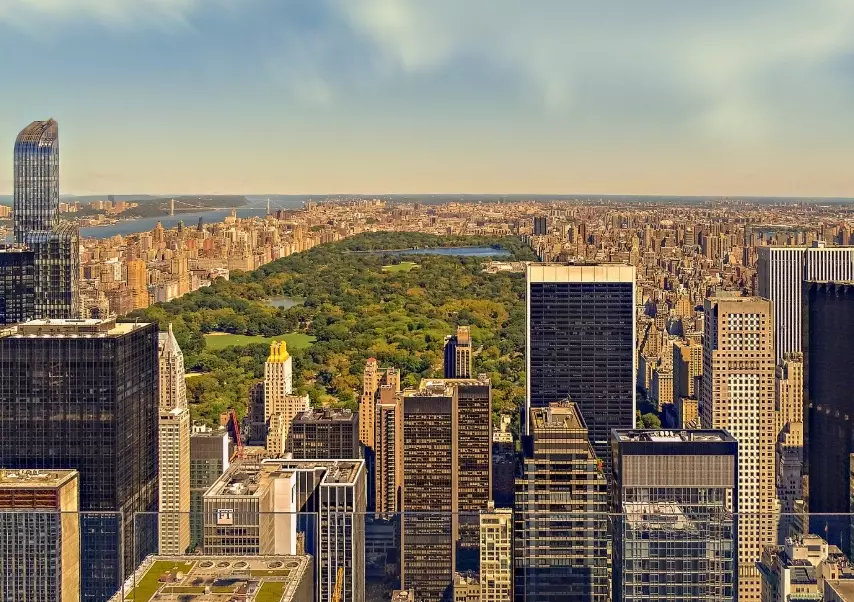
June: The Sweet Spot
June is arguably the best summer month. Schools aren't all out yet, humidity is often still tolerable, and the days are the longest of the year. You can have dinner outdoors at 8:30 PM in full daylight. Events like SummerStage in Central Park and Shakespeare in the Park begin their free performances. The downside? Prices are firmly in peak season territory.
July & August: Survival Mode
It's hot. I mean, concrete-melting, subway-station-sauna hot. Humidity makes 85°F (29°C) feel like 100°F (38°C). Crowds are at their absolute peak, with lines for everything from the Statue of Liberty to Shake Shack stretching obscenely long.
Why you might still consider it: The festival calendar is unmatched. Fourth of July fireworks over the East River are iconic. Lincoln Center Out of Doors offers free performances. Restaurant Week typically happens in July, offering prix-fixe deals at high-end spots. If you plan strategically—sightsee early, retreat to air-conditioned museums or a cool hotel pool in the afternoon, explore neighborhoods like the West Village or DUMBO in the evening—you can manage the heat.
My personal rule? I avoid Times Square and the Midtown museum crush (like the MoMA) on summer weekends at all costs. Head to the American Museum of Natural History (it's huge, so crowds disperse) or the Met Cloisters uptown for a surprisingly breezy, medieval escape.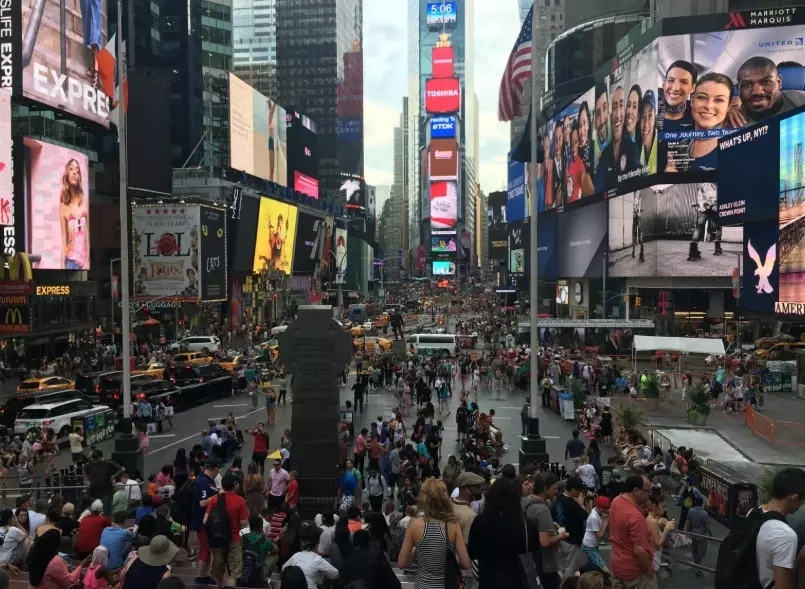
Autumn in NYC: The Undisputed Favorite
Ask any New Yorker when to visit, and most will say fall. The city is back in business, the weather is sublime, and the light turns that beautiful golden hue.
September: The Golden Transition
Summer crowds dissipate after Labor Day, but the weather often remains summer-like well into the month. It's a fantastic time for rooftop bars and walks across the Brooklyn Bridge. The New York Film Festival kicks off, bringing a buzz to Lincoln Center. By late September, you get that first hint of crispness in the air.
October: The Champion
This is it. Peak NYC for many. Days are sunny and cool (50s-60s°F / 10-20°C), perfect for walking miles through Central Park as the leaves change. Humidity is gone. The tourist crowds are substantial but more manageable than summer. You have iconic events like the Greenwich Village Halloween Parade (a must-see spectacle) and Open House New York weekend, where you can tour normally off-limits architectural gems. The drawback? This is premium time. Book flights and hotels at least 3-4 months in advance.
November: A Tale of Two Halves
Early November still feels like fall. The marathon on the first Sunday brings incredible energy. After Thanksgiving, the city flips a switch into full holiday mode. The weather gets chilly fast, but you beat the December holiday rush. It's a great window for lower prices and seeing the holiday decorations (like the Rockefeller Center tree lighting, usually just after Thanksgiving) with slightly smaller crowds.
Winter in NYC: Holiday Magic & Frosty Bargains
Winter is a season of extremes: extreme magic and extreme cold.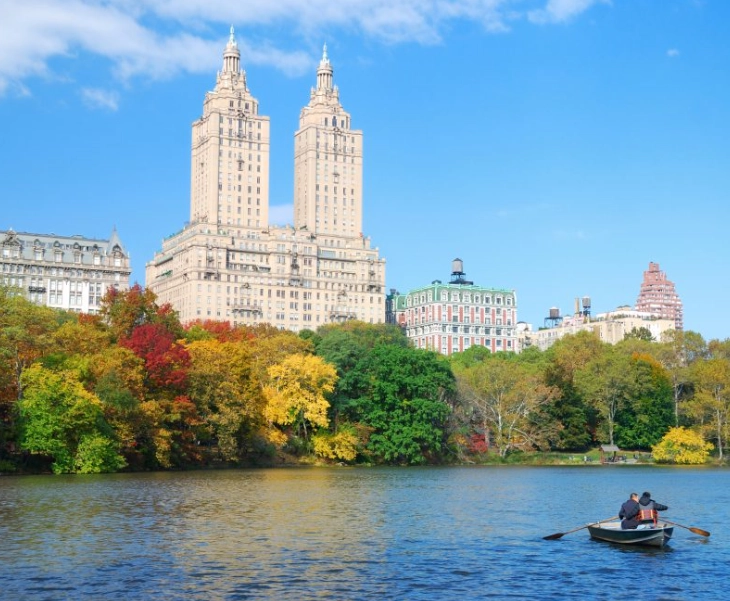
December: Pure Magic (and Madness)
From December 1st through New Year's, the city is a winter wonderland. The lights, the window displays (check out Saks Fifth Avenue and Macy's), the markets (Union Square, Bryant Park), the Rockettes—it's unforgettable. It's also the most crowded and expensive time of the year. Restaurants are packed, and hotel prices skyrocket, especially from Dec 20th onward. If you come, embrace the chaos and book everything early.
January & February: The Bargain Basement
After January 2nd, the city empties out. Hotel rates can drop by 50% or more. You can get last-minute Broadway tickets easily. It's a theater lover's and shopper's dream (post-holiday sales!). But it's cold. We're talking temperatures in the 20s and 30s°F (-6 to 4°C), with biting wind. The key is to plan an indoor-heavy trip: museums, galleries, long leisurely meals, and cozy cocktail bars. A snowy day in NYC, when the skyscrapers fade into the white, is actually incredibly beautiful and peaceful—if you're dressed for it.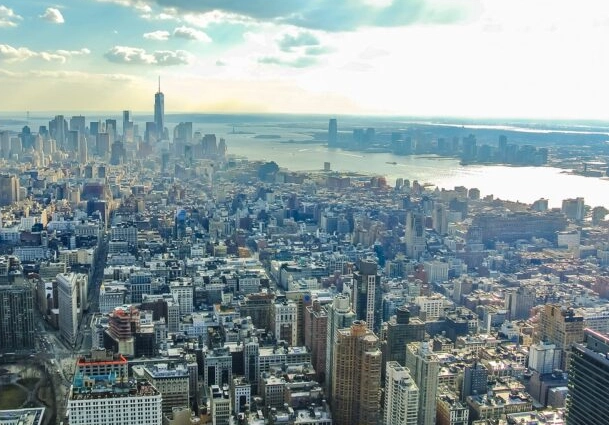
The Final Verdict: Picking Your Month
So, what's the best month to visit New York? Here’s the cheat sheet based on your priority:
- For Perfect Weather & Top Experience: October. Accept no substitutes. Book early.
- For Best Value & Good Weather: Late April / Early May or November (avoid Thanksgiving week).
- For Festivals & Maximum Energy: June or July (if you can handle the heat).
- For Holiday Magic: December (book 6+ months ahead, spend generously).
- For Rock-Bottom Prices & No Crowds: January or February. Pack your warmest coat.
The city has a genuine personality in every season. There's no bad time, only a wrong time for what you personally want.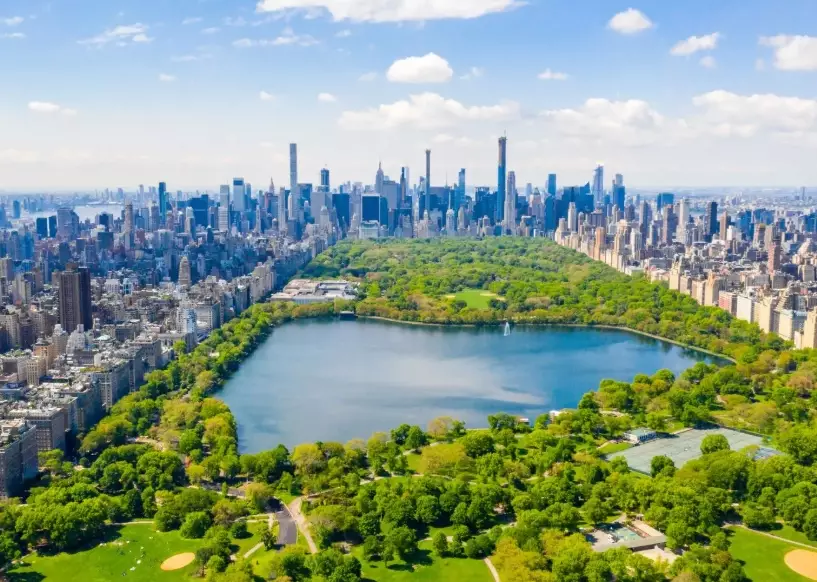



Comments
Leave a Comment