My Travel Insights
- Forget Just Seasons: What Really Defines the "Best" Time for You?
- The West Coast Season-by-Season Lowdown
- The Nitty-Gritty: A Month-by-Month Guide to the West Coast
- Answering Your Burning Questions (The FAQ)
- Packing for the West Coast (The Unsexy, Essential Truth)
- The Final Verdict: So, What's the Best Time?
You've typed that question into Google, haven't you? "Best time to visit USA West Coast." And you probably got a bunch of generic answers that left you more confused. "Spring is great!" "Fall is perfect!" Thanks, that's helpful. The truth is, there's no single "best" time—it completely depends on what you hate (crowds? rain? burning your feet on the sand?) and what you dream of doing (hiking among wildflowers, wine tasting without the bustle, catching a perfect wave, or just driving the Pacific Coast Highway with the roof down).
I've done the drive from San Diego to Seattle more times than I can count, in every month of the year. I've been sunburned in San Diego in February and shivered in a foggy San Francisco July. I've had Oregon's coast all to myself and also been stuck in traffic trying to get into a national park. This guide is going to ditch the fluff and give you the straight talk you need to pick your perfect window.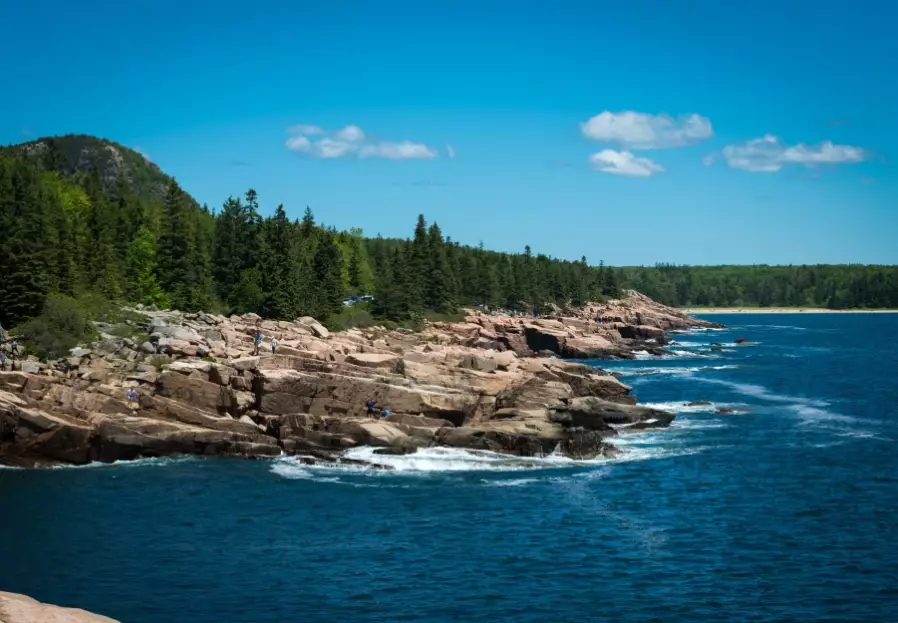
We'll break it down by season, by month, and even by state—because California, Oregon, and Washington are three wildly different beasts when it comes to weather and vibe. I'll also throw in some personal wins and fails, because learning from my mistakes is more fun for you.
The Quick Answer (But Please Keep Reading): For the classic postcard experience with reliably sunny days, aim for late spring (May to early June) or early fall (September to October). These sweet spots usually offer great weather, thinner crowds, and better prices than the peak summer madness. But if you're after something specific, like storm watching or desert wildflowers, you'll need a different calendar.
Forget Just Seasons: What Really Defines the "Best" Time for You?
Before we dive into months, let's talk priorities. Your best time to visit the USA West Coast hinges on balancing three big things:
- Weather & Daylight: Do you need guaranteed sun for the beach, or are you okay with moody coastal fog? How important are long evenings for hiking or dining al fresco?
- Crowds & Costs: Are you trying to avoid families on summer break and sky-high hotel rates? Or does a lively, energetic atmosphere matter more to you than a bargain?
- Your Activities: This is the big one. Skiing? Whale watching? Attending a specific festival? Your to-do list will dictate your dates more than anything.
Let's be honest, sometimes you just have to go when you can get the time off work. That's okay! Every time has its charm. I once went to Seattle in November expecting gloom and got nothing but crisp, sunny days. It happens.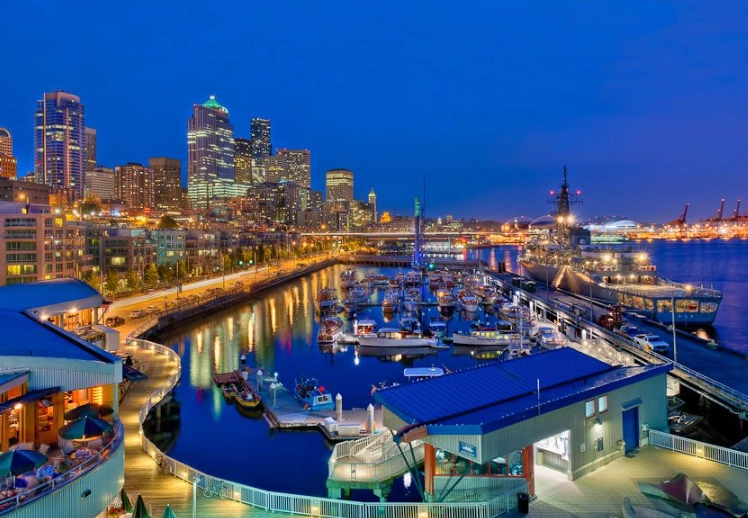
The West Coast Season-by-Season Lowdown
Here’s a no-BS look at what each season is really like across California, Oregon, and Washington. It's not the same everywhere, which is the first thing most guides gloss over.
Spring (March - May)
The Vibe: Nature's reboot. Everything is green, flowers are exploding, and the summer crowds are still a rumor.
California: Southern California is already warm and lovely. Central and Northern California can be hit-or-miss with rain, especially in March and early April. The hills are an insane emerald green. This is a fantastic time for desert regions like Joshua Tree or Death Valley—before they become furnaces.
Oregon & Washington: Still rainy, especially early on. But by May, the sun starts winning more battles. The waterfalls in the Columbia River Gorge are at their thunderous peak from snowmelt. It's stunning if you don't mind a drizzle.
My Take: Late spring (May) is arguably one of the top contenders for the best time to visit the USA West Coast for balanced travel. You can ski in the morning in Tahoe and wine taste in the afternoon in Napa. Magic.
Summer (June - August)
The Vibe: Peak energy, peak people, peak prices. School's out, and everyone is on the road.
California: Inland areas (LA valleys, Sacramento, deserts) are hot. I'm talking 100°F+ hot. But the coast? Here's the classic mistake: people think all of California is sunny in summer. Not so. Southern California beaches (San Diego, Orange County) are sunny and warm. But central and northern coasts, like San Francisco, Monterey, and the Oregon border, are often shrouded in persistent, chilly fog (locals call it "June Gloom" that lasts through July and sometimes August). Pack a sweater!
Oregon & Washington: This is their reward for enduring months of rain. Gorgeous, sunny, and mild. Highs in the 70s and 80s (21-29°C) are typical. Perfect for hiking, camping, and enjoying the coast. It's busy, but not as insanely packed as California hotspots.
The Catch: Wildfires. This is the sad reality now. Smoke can ruin visibility and air quality for days or weeks, especially in late summer. Check resources like the EPA's AirNow site before and during your trip.
Fall (September - November)
The Vibe: The secret season. Crowds dissipate, prices drop, but the weather often holds.
California: September and October are frequently the warmest, sunniest months on the coast as the fog finally lifts. This is prime time for the Pacific Coast Highway. Wine country is buzzing with harvest activity. It's spectacular.
Oregon & Washington: Early fall is golden (literally, with changing leaves). September is usually still summer-like. The rains typically return in force by mid-to-late October. This is an incredible time for photography.
Why It's a Favorite: For many seasoned travelers, this is the absolute best time to visit the USA West Coast. You get summer weather with autumn calm. I've had some of my best coastal drives in October.
Winter (December - February)
The Vibe: Moody, dramatic, and divided between snow sports and coastal escapes.
California: Southern California is mild and often sunny—great for a winter escape. The mountains (Sierra Nevada) are buried in snow, making it world-class ski season. The central and northern coast is rainy, stormy, and absolutely breathtaking if you like powerful waves and empty vistas.
Oregon & Washington: Wet. Very wet, especially west of the Cascades. But it's also lush, green, and quiet. The ski resorts are hopping. A unique draw is storm watching on the coast—booking a cozy cabin and watching the Pacific rage is a legit vacation.
Consideration: Daylight is short. Some mountain passes and high-elevation roads (like Tioga Pass into Yosemite) are closed. Always check road conditions with Caltrans or WSDOT.
The Nitty-Gritty: A Month-by-Month Guide to the West Coast
Seasons are a start, but each month has its own personality. This table should help you visualize the trade-offs.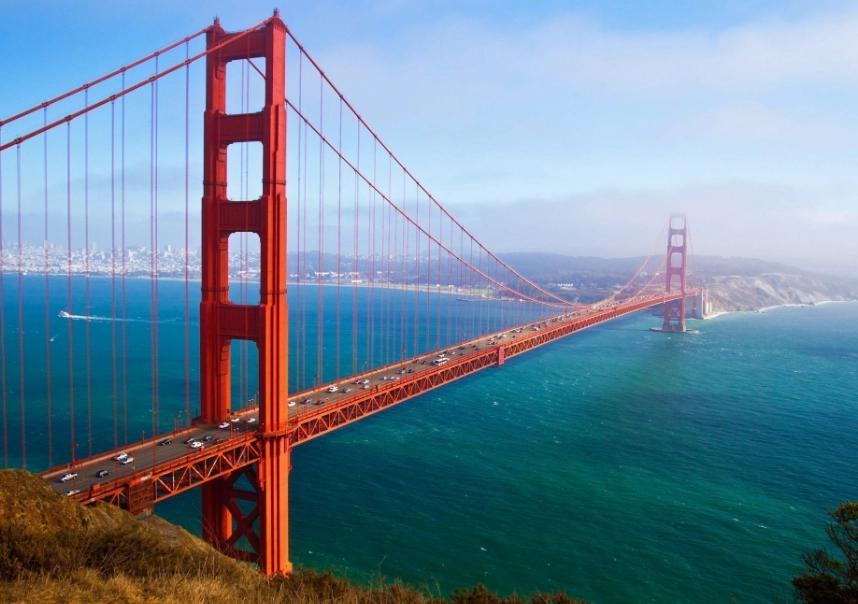
| Month | California Highlights & Watch-Outs | Oregon & Washington Vibe | Crowd & Price Level |
|---|---|---|---|
| January | Ski season peaks. SoCal is mild and quiet. Rain on the central coast. A great month to find deals in cities. | Wettest month typically. Skiing excellent. Coast is for storm chasers only. Very quiet for tourism. | Low (except ski resorts) |
| February | Desert wildflowers can start blooming (a good year is incredible). Still great skiing. Valentine's/Presidents Day can cause mini-spikes. | Still wet and quiet. Might get a "false spring" with some sunny days. | Low to Medium |
| March | Spring begins. Variable weather—can be warm or rainy. Spring break crowds hit in late March (avoid popular beaches!). | The rain continues. Waterfalls are getting powerful. Tourism still very low. | Medium (Spring Break) |
| April | Wildflowers peak in many areas. Easter can be busy. Generally pleasant temps, but not reliably beachy in the north. | Rain starts to taper. Tulip festivals in Washington (Skagit Valley). A lovely, quiet time to visit gardens. | Medium |
| May | One of the best months. Warm, sunny, hills still green, crowds not yet at peak. Coastal fog not yet settled in. Ideal for PCH drives. | Weather becomes reliably nice. Everything is in bloom. Memorial Day weekend kicks off the summer season. | Medium to High |
| June | Summer begins. Inland heats up. Coastal fog ("June Gloom") blankets SF northward. Schools out = crowds arrive. | Beautiful, sunny weather begins. Long days. A fantastic time to visit before the deepest summer crowds. | High |
| July | Peak of peak. Hot inland, foggy on many coasts. 4th of July is chaotic everywhere. National parks are packed. Book everything far in advance. | Perfect summer weather. Busy, but manageable. Outdoor festivals galore. | Very High |
| August | Similar to July. Fire risk increases. Coastal fog may start to burn off by late month. Still extremely crowded. | Continues sunny and wonderful. Could start to see wildfire smoke drifting in, depending on the year. |
Let me pause the table here for a second.
See how July and August are just a different beast? That's the reality. If you're set on summer, consider focusing on Oregon and Washington—you'll get more reliable sun on the coast and slightly less oppressive crowds than in California's big-name spots.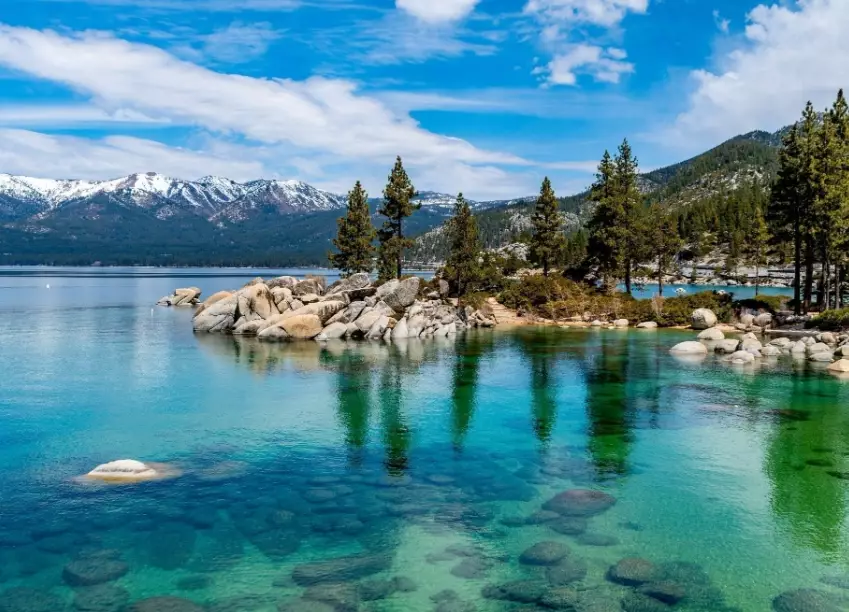
| Month | California Highlights & Watch-Outs | Oregon & Washington Vibe | Crowd & Price Level |
|---|---|---|---|
| September | Prime time. Fog lifts, water is warmest, crowds thin after Labor Day. Harvest in wine country. Often the best weather of the year. | Summer extends. Weather is still glorious. Kids are back in school, so a calmer feel returns. My personal favorite month up here. | High (early) to Medium (late) |
| October | Still excellent, especially early month. Warm days, cool nights. Halloween in LA or SF can be fun. Fire risk decreases. | Fall colors peak. Weather can be gorgeous ("Indian Summer") or turn wet. A photographer's dream. Rains return more steadily by late month. | Medium to Low |
| November | Transition to winter. Rain returns to the north. Thanksgiving is a major travel holiday. Ski season starts late month. A good time for city trips. | Wet and gray. A quiet, introspective time. Great for museums, coffee shops, and cozying up. Some mountain passes close. | Low (except Thanksgiving) |
| December | Holiday festivities everywhere. Snow in mountains, mild in south. Big tourist draws like Disneyland are packed around Christmas. | Festive lights in cities like Portland and Seattle. Ski season gets going. Very short days. Rainy. | Medium (Holiday spikes) |
Pro Tip: If you're dreaming of a coastal road trip, target the shoulder months on either side of summer—May or September/October. You'll maximize your chances of clear skies, open roads, and available accommodations without the summer premium.
Answering Your Burning Questions (The FAQ)
Here are the real questions people have when planning their best time to visit the USA West Coast.
A Personal Story: I once planned a "sunny" July camping trip on the Northern California coast. I didn't check the specific forecast for the tiny town we were staying in, assuming "California = warm." We spent three nights in a dense, cold fog bank, huddled around a pathetic campfire, unable to see the ocean 100 feet away. The moral? Microclimates are real. The weather can change drastically over a short distance. Use detailed forecasts for your specific destination, not just "California."
Packing for the West Coast (The Unsexy, Essential Truth)
No matter when you choose as the best time to visit the USA West Coast, pack for layers. I don't care if it's July.
Your suitcase should always contain:
- A warm layer (fleece, sweater).
- A waterproof/windproof shell (a lightweight packable jacket is perfect).
- Comfortable walking shoes (you will walk more than you think).
- Sunglasses and a hat for sun protection (the sun is strong here).
- Swimsuit (even in winter—hot tubs, hotel pools, or a brave dash into the Pacific).
For summer, add sunscreen and that warm layer you think you won't need. For winter, add a beanie, gloves, and waterproof shoes.
Heads Up on Fire Season: From late summer through fall, be aware of wildfire risk. Smoke can travel hundreds of miles, affecting air quality and views. Have a flexible plan and be ready to pivot your itinerary if needed. Checking the AirNow.gov site and local news is crucial during these months.
The Final Verdict: So, What's the Best Time?
If I'm forced to choose, and I'm planning a trip for a friend who wants the classic experience—good weather, great scenery, manageable crowds—I'd point them to two windows:
- Late May to Mid-June: You get the green hills, the flowers, the warming weather, and you just beat the full summer onslaught.
- September to Mid-October: You get summer's warmth (often better on the coast than actual summer), autumn's colors, and that lovely post-summer calm.
But honestly? There is no bad time. There are only times that are better or worse for your specific dream trip. Want to ski? Winter. Want to see the deserts in bloom? Late winter/spring. Want to experience the epic energy of a full-on California summer, crowds and all? Go for it. Want to have a rugged, stormy coastline all to yourself? Embrace the winter.
That's the real secret.
The best time to visit the USA West Coast is the time that aligns with what you want to feel and do. Use this guide to match your priorities to the calendar. Do your research on specific events (like the Coachella festival in April or the Portland Rose Festival in June), book your key accommodations early (especially for summer and national park lodges), and pack those layers.
Then hit the road. The Pacific is waiting, and it's pretty amazing any day of the year.

Comments
Leave a Comment