Ask ten people to name the number one vacation spot in the US, and you'll get a dozen passionate answers. Beaches, cities, theme parks. But when you look at the data—annual visitor numbers, global recognition, sheer awe factor—one destination consistently rises to the top. It's not just a park; it's a geological autobiography. The Grand Canyon isn't just a top spot; for millions, it's the definitive American travel experience. Why? Because it delivers on a promise few places can: scale that humbles, beauty that evolves with every glance, and accessibility that lets anyone, from a seasoned hiker to a grandparent in a wheelchair, have a transformative moment.
I've been five times, in every season, and I still feel like I've barely scratched the surface. That's the magic. This article isn't just a list of facts. It's a breakdown of why the Grand Canyon wins the top spot, and more importantly, how you can experience it right, avoiding the classic mistakes that turn wonder into a crowded chore.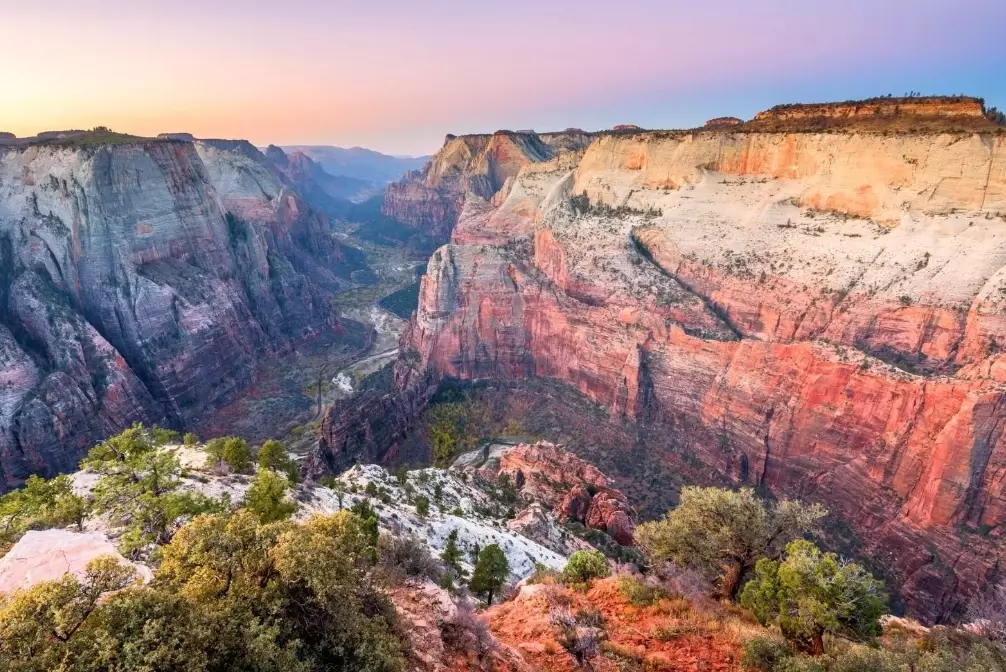
Your Grand Canyon Trip at a Glance
The Data-Driven Case for Number One
Let's talk numbers. Pre-pandemic, Grand Canyon National Park saw nearly 6 million visitors annually, according to the National Park Service. It's a UNESCO World Heritage Site. It's on virtually every global "must-see" list. But stats are cold. The real reason it's number one is emotional ROI—return on investment for your soul. You drive for hours through desert or forest, then you walk up to an edge... and the world falls away. That moment of sheer, silent awe is replicable for a 5-year-old and a 75-year-old. Few destinations guarantee that.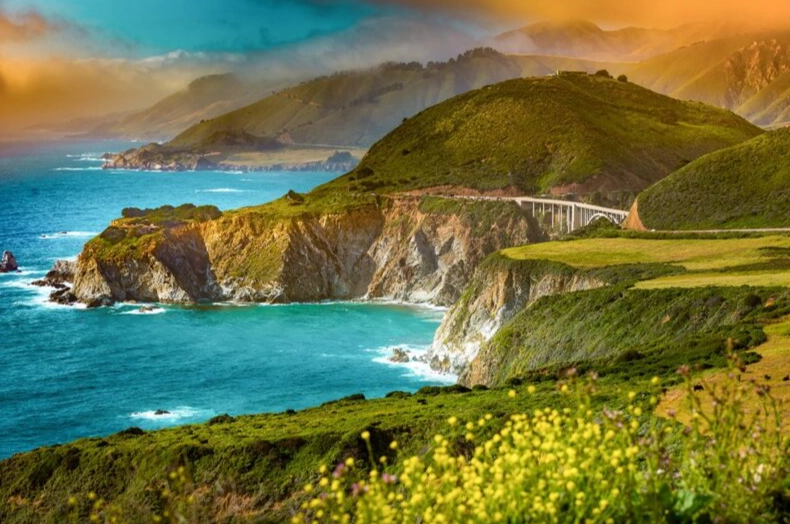
A common mistake? Treating it as a checkbox. "We saw it, got the photo, done." That's like reading the first page of a epic novel and claiming you know the story. The Grand Canyon's top status comes from its layers—both geological and experiential.
Quick Facts at a Glance:
Location: Northwestern Arizona.
Park Entrance Fee: $35 per vehicle (valid 7 days). Consider the $80 America the Beautiful Annual Pass if visiting more parks.
South Rim: Open 24/7, year-round. Main Visitor Center: Grand Canyon Village.
North Rim: Generally open mid-May to mid-October. Visitor Center: North Rim.
Closest Major Airports: Phoenix (PHX) - 3.5-hour drive; Las Vegas (LAS) - 4-hour drive; Flagstaff (FLG) - 1.5-hour drive.
Official Info Source: Always check the National Park Service website for alerts, closures, and conditions.
The First Big Choice: South Rim vs. North Rim
This isn't a minor detail—it defines your trip. Most people, about 90%, go to the South Rim. That's not because it's better, but because it's more accessible and has more services year-round.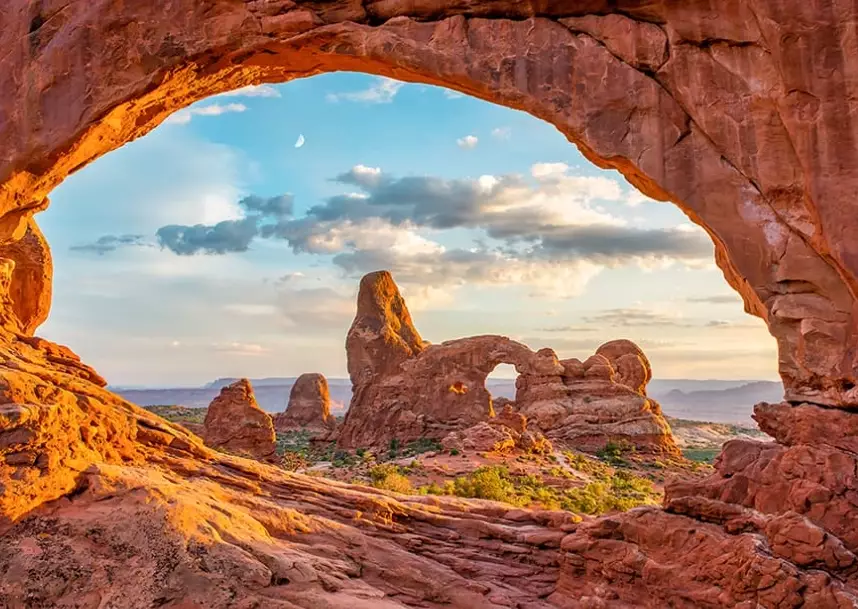
The South Rim: The Full Experience
This is the classic, postcard view. It's easier to get to, has multiple lodging options from historic lodges to hotels just outside the park in Tusayan, and offers free shuttle buses along Hermit Road (closed to most private cars March-November). The viewpoints are countless: Mather Point by the visitor center is iconic but packed. Walk 15 minutes east or west along the Rim Trail and the crowds thin dramatically. The vibe here is energetic, international, and full of possibility.
The North Rim: The Quiet Contender
Sitting 1,000 feet higher than the South Rim, the North Rim gets a fraction of the visitors. The drive is longer, the season is shorter, and the amenities are fewer (one historic lodge, a campground). What you get in return is solitude, cooler temperatures, and a densely forested, alpine feel right up to the edge. The view across to the South Rim is broader, somehow more profound. If your goal is to feel the canyon's immensity without the soundtrack of a crowd, this is your spot. My most memorable sunrise was at Point Imperial here, shared with just two other people.
The expert tip? Don't try to do both on a short trip. The drive between them is over 200 miles and 4+ hours. Pick one. First-timers and families usually prefer the South Rim's convenience. Repeat visitors or solitude-seekers often gravitate to the North.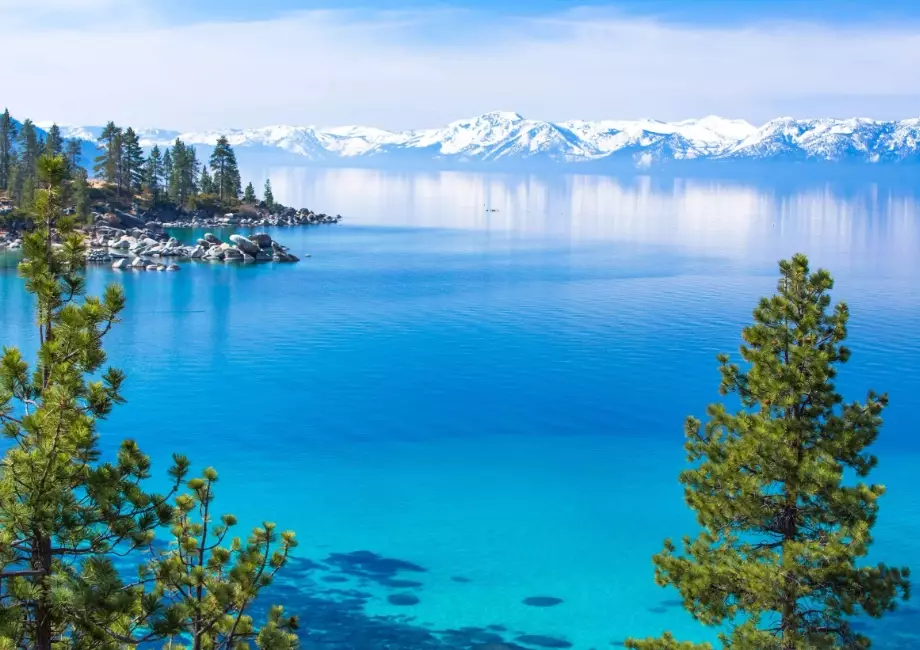
Planning Your Visit: Logistics Made Simple
Fail here, and your trip becomes stressful. Succeed, and you get to focus on the wonder.
When to Go (The Non-Obvious Truth)
Summer (June-August) is peak. It's hot, crowded, and thunderstorms can be dangerous for hikers. Shoulder seasons are king. April-May and September-October offer mild weather and thinner crowds. Winter is a secret gem for the South Rim—crowds vanish, you might see snow dusting the red rocks, and hotel rates plummet. Just pack for cold and check for road closures after storms.
Where to Stay: Inside vs. Outside the Park
| Option | Pros | Cons | Best For |
|---|---|---|---|
| Inside Park (South Rim) e.g., El Tovar, Bright Angel Lodge |
Walk to viewpoints; historic charm; sunset/sunrise access without driving. | Books up 13+ months in advance; premium price. | Those planning far ahead who want immersion. |
| Tusayan (Town just south) Chain hotels & motels |
More availability, often cheaper; dining options; 10-min drive to gate. | Need to drive/park at crowded visitor center; less "park" feeling. | Most travelers, especially families needing flexibility. |
| Camping Mather Campground, Desert View |
Inexpensive; incredible star-gazing; true nature immersion. | Requires gear; can be cold/hot; sites book fast. | Adventurous travelers and budget explorers. |
| North Rim Lodge | Unbeatable location on the rim; ultimate solitude. | Extremely limited rooms; very short season. | Those seeking a remote, quiet experience. |
Pro Booking Tip: If park lodges are sold out, check regularly for cancellations, especially 2-4 weeks before your trip. People's plans change. I snagged a last-minute cabin at Bright Angel Lodge this way.
Getting Around
At the South Rim, use the free shuttle buses. The system has different routes (Village, Kaibab, Hermit). Park your car at the Visitor Center or your lodge and forget it. Driving yourself to viewpoints during peak hours is an exercise in frustration, hunting for a parking spot you'll never find.
The North Rim has limited shuttle service; your car is primary.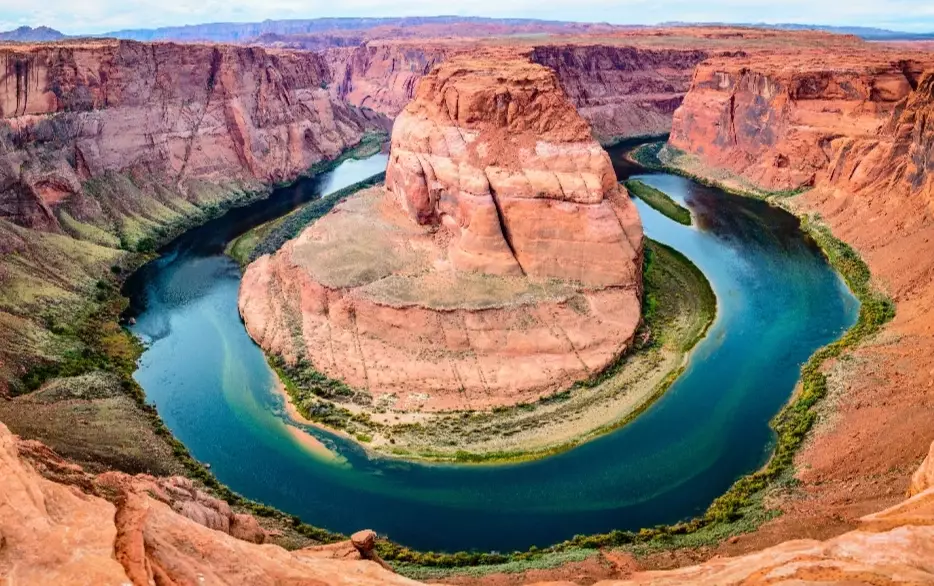
Experiences Beyond the Viewpoint
Looking is free. Experiencing changes you. Here’s how to level up.
Hiking Below the Rim: This is where the Canyon gets real. A common, dangerous error is thinking "down is easy." Hiking in is optional; hiking out is mandatory. The Bright Angel Trail is the safest bet for a first descent—it has water stations and resthouses. My rule? For a day hike, go down only as far as you're confident you can hike back up, plus an extra hour of energy. 1.5 miles down to the first resthouse is a great goal. Going to the river and back in one day is a brutal, potentially dangerous marathon for experts only.
Guided Tours: Worth every penny for context. A bus tour along Desert View Drive (east of the village) with a ranger or guide explains the geology and history in a way signs never can. For a splurge, a helicopter or airplane tour from Tusayan provides a mind-bending perspective of the canyon's scale. Book these in advance.
Ranger Programs: Free and fantastic. Talks on geology, condor sightings, sunset walks. Check the daily program at the visitor center. It's the best free education you'll get.
A Realistic 3-Day Sample Itinerary (South Rim Focus)
Here’s a blueprint that balances sightseeing with sanity.
Day 1: Arrival & First Impressions
Arrive by early afternoon. Check into your hotel. Head straight to the Visitor Center, watch the park film for orientation. Walk the paved path to Mather Point for that first gasp. Then, escape the crowds by walking west on the Rim Trail toward Yavapai Point. Catch sunset at Hopi Point (accessible via shuttle). Dinner at the Arizona Room (reservations recommended).
Day 2: Deep Exploration
Sunrise at Yaki Point (shuttle access). Take the Kaibab Rim Shuttle. After breakfast, embark on a guided bus tour along Desert View Drive (book ahead). Stop at Grandview Point, Moran Point, and the 1930s-era Desert View Watchtower. Return mid-afternoon. Optional: Hike a short way down the Bright Angel Trail (remember the rule!). Evening ranger program.
Day 3: Choose Your Adventure
Option A (Active): A more serious hike on the South Kaibab Trail to Cedar Ridge (3 miles round trip, steep, no water—bring plenty).
Option B (Cultural): Explore the historic buildings of Grand Canyon Village—the El Tovar Hotel, Hopi House, Verkamp's Visitor Center.
Option C (Scenic): Take the Hermit Road shuttle (red route) all the way to the end, stopping at viewpoints like Pima Point on the return. Depart in the late afternoon.
Your Grand Canyon Questions Answered
 So, is the Grand Canyon the number one vacation spot in the US? By the metrics of lasting impact, universal accessibility, and raw, undeniable power—yes. It's not the easiest trip to plan, and it demands respect. But it pays you back not just with photos, but with a reset sense of scale. You leave remembering that the world is vast, ancient, and spectacularly beautiful. That feeling is why it holds the top spot, and likely always will.




Comments
Leave a Comment