What’s Inside This Guide
Let's be honest, figuring out the best time to visit the USA for holidays feels like trying to solve a puzzle with pieces from fifty different boxes. One friend swears by a New York City Christmas, another raves about a quiet Arizona spring, and then there's that cousin who won't stop talking about his epic summer road trip along the California coast. Who's right? Well, they all might be.
The truth is, there's no single perfect answer. The "best" time completely depends on you. What do you want to do? Who are you traveling with? How much do you hate crowds (or love them)? What's your budget looking like? The US is massive and wildly diverse, from the frozen tundra of Alaska to the sunny beaches of Florida. Picking a time without considering these factors is a recipe for disappointment—or an unexpectedly huge credit card bill.
I've made that mistake myself. I once planned a budget-friendly trip to Yellowstone in July, dreaming of geothermal wonders. The wonders were there, sure, but so were about ten thousand other people. I spent more time looking at the back of someone's hiking boots than at Old Faithful. Lesson learned.
So, let's ditch the one-size-fits-all advice. This guide won't just give you a date. We're going to break it down by season, by region, by the type of holiday you're after, and yes, by your wallet. By the end, you'll be able to confidently pinpoint your own personal best time to visit the USA for holidays.
Quick Takeaway: If you're looking for the shortest possible answer, the shoulder seasons—late April to early June (spring) and September to October (fall)—often offer the best overall balance of pleasant weather, manageable crowds, and decent prices for a general US holiday. But read on to see why this might not be right for you.
Breaking It Down by Season: Weather, Crowds, and Vibe
This is the most common way people start their search. Each season paints the country in a completely different light.
Spring (March - May)
Spring is a rebirth, especially after a harsh winter. It's arguably one of the top contenders for the best time to visit the USA for holidays if you love mild weather and blooming landscapes.
The Good: Temperatures are generally pleasant—not too hot, not too cold. The famous cherry blossoms in Washington D.C. (usually peak around early April) are a magical sight. National parks start to thaw and come alive without the peak summer crowds. It's a fantastic time for city breaks in places like San Francisco, New York, or Chicago before the summer humidity or heat kicks in.
The Not-So-Good: It can be unpredictable. A warm day in March in the Northeast can be followed by a snowstorm. Spring break, which spans from March into April, sends prices soaring and fills family destinations like Orlando and Southern California. Also, in some mountainous areas, high-elevation trails may still be closed due to snow.
My Pick for Spring: The Southwest. Places like Utah's Mighty 5 national parks (Arches, Canyonlands, etc.), Arizona's Sedona and Grand Canyon, and New Mexico are absolutely glorious. The desert wildflowers are out, the temperatures are ideal for hiking, and the summer inferno hasn't arrived yet.
Summer (June - August)
This is peak tourist season for a reason. School's out, the weather is reliably warm across most of the country, and everything is open. For many families, this is the only possible time to travel, making it the best time to visit the USA for holidays by default.
The Good: Maximum daylight hours. All attractions, tours, and seasonal restaurants are operating. Perfect weather for beach holidays in California, Florida, or the Carolinas. Ideal for high-altitude adventures in the Rockies, where the snow has finally melted. Major festivals and events are in full swing.
The Not-So-Good:
The Not-So-Good: Crowds. Everywhere. Expect long lines, fully booked accommodations, and higher prices for flights and hotels. Heat and humidity can be oppressive in the South, Midwest, and Eastern Seaboard (think New York, Washington D.C., Atlanta). Popular national parks like Yellowstone, Yosemite, and the Great Smoky Mountains become incredibly congested.
My Pick for Summer: The Pacific Northwest and Alaska. While much of the country bakes, places like Seattle, Portland, and the Oregon Coast enjoy mild, sunny weather. It's the absolute best (and really only) time to visit Alaska, with its midnight sun and accessible wildlife viewing. Just bring a rain jacket, just in case.
Fall / Autumn (September - November)
For many seasoned travelers, myself included, fall is the secret champion. It frequently tops the list as the absolute best time to visit the USA for holidays, particularly for adults without school-age kids.
The Good: The weather is often sublime—crisp air, warm days, cool nights. The spectacular fall foliage, especially in New England, the Upper Midwest, and the Appalachian Mountains, is a world-class attraction. Summer crowds have dissipated, leading to shorter lines and a more relaxed pace. Prices begin to drop after Labor Day (early September). It's a prime time for wine regions (California's Napa Valley, Oregon's Willamette Valley) during harvest season.
The Not-So-Good: The weather window can be short, especially in northern regions where snow can arrive by late October. Hurricane season peaks in the Atlantic and Gulf Coast through October, posing a risk to travel plans in Florida, the Carolinas, and the Gulf states. Daylight hours start to shrink noticeably.
My Pick for Fall: New England. It's almost a cliché, but for good reason. Driving through Vermont, New Hampshire, and Maine when the leaves are turning is an unforgettable experience. Pair it with visits to historic Boston or coastal towns like Portland.
Winter (December - February)
Winter transforms the USA into two distinct worlds: the snowy wonderland and the sunny escape. Your idea of the best time to visit the USA for holidays in winter depends entirely on which world you seek.
The Good (for Snow): World-class skiing and snowboarding in the Rockies (Colorado, Utah, Wyoming), the Sierra Nevada (Lake Tahoe), and New England. Magical holiday atmospheres in cities like New York, Chicago, and Leavenworth, Washington. Lower crowds and prices at non-ski destinations. Frozen landscapes in places like Yellowstone are hauntingly beautiful and offer unique wildlife viewing.
The Good (for Sun): Escape the cold in Florida, Southern California, Arizona, Hawaii, or the desert Southwest. These are peak seasons here, but for sun-seekers, it's worth it. Pleasant temperatures for hiking in places like the Grand Canyon or Big Bend National Park.
The Not-So-Good: Harsh, cold weather and potential travel disruptions (snowstorms, flight delays) across the northern half of the country. Many outdoor attractions in colder regions are closed or have limited access. Short daylight hours. The period between Christmas and New Year's is one of the most expensive and crowded travel times of the entire year, regardless of destination.
My Pick for Winter: The Desert Southwest. Places like Phoenix, Tucson, Palm Springs, and Las Vegas offer reliably sunny and mild days. It's perfect for golf, hiking, and exploring the stunning desert scenery without the extreme heat. Just book early—this is prime time for "snowbirds" from colder states.
| Season | Best For | Watch Out For | Typical Cost Level |
|---|---|---|---|
| Spring | Mild weather, blooming nature, city breaks, hiking in the Southwest | Unpredictable weather, Spring Break crowds & prices | Medium to High (during Spring Break) |
| Summer | Beach trips, family travel, national parks (with crowds), Alaska, festivals | Extreme crowds, high prices, heat/humidity in many areas | High (Peak) |
| Fall | Fall foliage, pleasant temps, wine country, fewer crowds, hiking | Hurricane season (East/Gulf Coast), shorter days later in season | Medium (drops after Labor Day) |
| Winter | Skiing/snow sports, sunny escapes (SW, Florida), holiday festivities | Cold & snow in the North, holiday peak prices, short days | Low (except ski resorts & sunny escapes, and Christmas week) |
Where in the World (of the USA) Are You Going?
You can't talk timing without talking location. The climate in Miami is a different universe from Minneapolis. Let's get regional.
The Northeast & New England
Prime Time: Fall (Sept-Oct) for foliage. Late Spring (May-June) for pleasant city exploration.
Skip Maybe: January-March unless you love snow and cold. Summers in cities can be hot and humid.
Insider Tip: For fall colors, aim for late September in northern New England (Vermont, New Hampshire) and mid-to-late October for southern parts (Massachusetts, Connecticut). Check the US Forest Service foliage reports.
The South
Prime Time: Spring (March-April) and Fall (Oct-Nov). The weather is divine.
Skip Maybe: Peak summer (July-August). The heat and humidity in places like Atlanta, New Orleans, and Charleston can be brutal. Also, late summer is the heart of hurricane season.
Insider Tip: Mardi Gras in New Orleans is an incredible experience (usually Feb/March), but it's chaotic and expensive. Book over a year in advance if you're set on it.
The Midwest & Great Plains
Prime Time: Summer (for festivals and lakes) and Fall (for colors and harvests).
Skip Maybe: Deep winter (Dec-Feb) if you're not prepared for bitter cold and snow. The shoulder seasons can be very short.
Insider Tip: Chicago is fantastic in the summer with its lakefront and festivals, but it's also packed. Consider early September—the weather is still great, but the summer crowds have thinned.
The West & Rockies
Prime Time: Depends on altitude! For desert parks (Grand Canyon, Moab), Spring and Fall. For high mountains (Rocky Mountain NP, Yellowstone), Summer and early Fall. For skiing, Winter.
Skip Maybe: The desert in peak summer (it's dangerously hot for hiking). High mountain areas in late fall/spring when things are in transition—many roads close.
Insider Tip: Some of the most famous national parks now require timed entry reservations in peak season (e.g., Rocky Mountain, Glacier, Arches). Check NPS.gov well before your trip.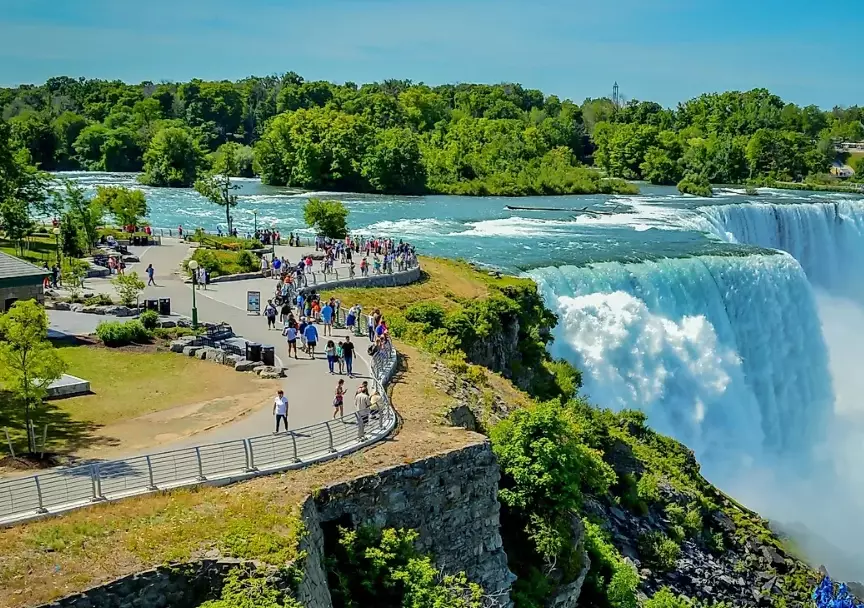
The Pacific Coast
Prime Time: Late Spring through early Fall (May-Oct) for the driest, sunniest weather, especially in the Pacific Northwest. Southern California is pleasant year-round, but can be cool and foggy near the coast in May/June ("June Gloom").
Skip Maybe: The rainy season in the Pacific Northwest (Nov-Apr) if you want guaranteed sunshine.
Insider Tip: For a California coastal road trip, September and October are often the best months, with warm weather and fewer inland tourists.
What Kind of Holiday Do You Want?
Your travel style is the final, crucial piece of the puzzle. Let's match the time to the trip.
For Family Holidays with Kids
You're often locked into school breaks. Summer is the default, but it's tough. If you have younger kids or can pull them out for a week, late May/early June or September are golden. The weather is good, most summer attractions are open, but the crowds from the full summer or fall foliage haven't hit yet. Disney World in September? Hot, but shorter lines. Much better than July.
For a Romantic Couples Getaway
You want atmosphere and fewer screaming children. Fall is your season. Think Napa Valley during harvest, a cozy cabin in New England as the leaves turn, or a luxurious resort in Sedona with perfect hiking weather. Spring is a close second. Avoid major holiday weekends and school break periods.
For the Solo Traveler or Adventurer
Flexibility is your superpower. Aim for the shoulder seasons (spring/fall) to maximize good conditions and social hostels/B&Bs being open, while minimizing crowds. Want to hike the iconic trails? You need to know when the snow melts. For the John Muir Trail in the Sierras, that's late July to September. Research is key for adventure travel.
For the City Break Enthusiast
Cities are great year-round, but have different personalities. I love New York in December for the holidays and in May for the perfect park weather. I avoid it in August (sticky) and January (freezing). For cities with brutal summers (D.C., Atlanta, Dallas), spring and fall are no-brainers. For cities with mild climates (San Diego, San Francisco), you have more flexibility.
The Money Question: When is it Cheapest?
Let's talk frankly. If budget is your primary driver, the best time to visit the USA for holidays on a budget is during the off-season or shoulder season.
Peak Season (Summer & Major Holidays): Highest prices for flights and hotels. Book 4-6 months in advance.
Shoulder Season (Spring & Fall): Prices are moderate. You can find good deals, especially on flights mid-week.
Off-Season (Winter in non-ski areas, late fall in some places): This is where you find the real steals. Want to see New York or Chicago? Bundle up and go in January or February. Flights and hotels can be half the summer price. Just pack for the weather.
Your Questions, Answered (The FAQ)
Pulling It All Together: How to Decide
So, after all that, how do you actually pick your best time to visit the USA for holidays?
- Prioritize. List your top 3 must-haves. Is it low cost? Specific weather? A particular festival? Avoiding crowds? Your priorities will immediately eliminate some seasons.
- Research Your Specific Destinations. Don't just google "USA weather." Look up the average temperatures and rainfall for your specific cities or parks in the months you're considering. The National Weather Service has great climate data.
- Check the Event Calendar. Is there a massive conference, festival, or sporting event happening that will swallow all the hotel rooms? Conversely, is there a cool local festival you'd love to experience?
- Be Realistic About Crowds. If you dream of a serene, solitary experience in nature, summer in a famous national park is not for you. Adjust your timing or pick a less-visited park.
- Embrace the Shoulder. If your schedule allows, the weeks just before or after the peak season are almost always the sweet spot. You get 80% of the good weather with 50% of the people.
Finding the best time to visit the USA for holidays isn't about finding a secret month where everything is perfect everywhere. That month doesn't exist. It's about matching the incredible diversity of the country to your personal preferences, budget, and travel dreams.
Maybe your best time is a snowy February weekend in a Colorado ski lodge. Maybe it's a sunny November hike in the Grand Canyon. Or maybe it's that classic summer road trip with the kids, crowds and all, because that's when the memories are made.
Now you have the map. Go plan your perfect American holiday.


Comments
Leave a Comment