Let's cut to the chase: traveling across the United States doesn't have to cost a fortune. I've met too many people who think a coast-to-coast adventure requires a five-figure budget. They're wrong. After a decade of budget travel here, from Alaska to Florida, I've learned that the secret isn't just about finding the single cheapest bus ticket. It's a system—a mindset that combines smart transportation choices, unconventional lodging, and a shift in how you experience places. The most expensive mistake you can make is assuming the most obvious option (like flying or staying in hotels) is your only one.
Your Budget Travel Roadmap
Mastering Transportation: The Biggest Cost
This is where your budget is made or broken. Forget the romantic idea of an unlimited Amtrak rail pass being the ultimate budget solution. For pure cost, it's often not. You need to layer options.
The Real Cost Comparison: Train, Bus, Rideshare & Car
Let's get specific with a real-world example: getting from Chicago to Denver, roughly 1000 miles.
| Mode | Approx. Cost | Travel Time | The Real Pros & Cons |
|---|---|---|---|
| Amtrak Train (California Zephyr) | $100 - $250+ | 18-20 hours | Pro: Scenic, comfortable, social. Con: Price varies wildly, often more expensive than bus, can be delayed. |
| Intercity Bus (Greyhound/FlixBus) | $50 - $120 | 17-19 hours | Pro: Consistently the cheapest point-A-to-B option. Con: Basic comfort, station locations can be sketchy. |
| Rideshare/Carpool (BlaBlaCar, Craigslist Rideshare) | $40 - $80 | 15 hours | Pro: Often cheapest and fastest, local insight. Con: Requires vetting drivers, less schedule flexibility. |
| Relocation Rental (Transfercar, imoova) | $1 - $30 per day | You set it | Pro: Insanely cheap car rental (just pay gas). Con: Very specific routes/dates, tight deadlines. |
My go-to strategy? Mix buses for long hauls and rideshares for shorter segments. I once did Seattle to San Diego using a mix of FlixBus and two BlaBlaCar rides for under $150 total. The key is flexibility. Booking a bus ticket 2-3 weeks out on a Tuesday or Wednesday can yield fares you wouldn't believe—I've seen $1 Megabus fares from NYC to Boston.
A word on driving: Renting a car is almost never the cheapest solo option. But if you're with 2 or 3 friends, splitting the cost of a weekly rental and camping can become the absolute winner for freedom and value, especially in the West. Gas costs are real, though—use apps like GasBuddy.
How to Sleep for (Almost) Nothing
Hotels will sink your budget faster than anything. You have better, more interesting options.
Hostels aren't just for Europe. Major US cities have them, and they're not the grim places you imagine. HI USA hostels (like the one in San Francisco Fisherman's Wharf or Washington DC) are clean, social, and often include breakfast. Expect $30-$50/night for a dorm bed. In smaller towns, look for independent hostels.
Camping is your secret weapon. This is the biggest budget lever nobody pulls enough. National Forest and Bureau of Land Management (BLM) land often allows dispersed camping for free. Yes, free. You need to be self-sufficient and follow Leave No Trace principles. Websites like Recreation.gov are essential for booking affordable campsites in national parks (usually $20-$35/night). For private, unique spots, try Hipcamp – it's like Airbnb for camping.
Volunteer Stays (Workaway, WWOOF): Trade a few hours of work for room and board. I spent a week on a small family farm in Vermont through WWOOF, helping with harvest in exchange for a private cabin and amazing meals. It costs a small annual membership fee, but the daily cost drops to zero.
Pro Tip from the Road: Don't overlook university towns in the summer. Colleges often rent out dorm rooms to travelers at rates far below hotels. The University of California, Berkeley, does this. It's basic, clean, and puts you in a great location.
Eating and Exploring on a Dime
You didn't come all this way to eat peanut butter sandwiches in a hostel kitchen every night. But restaurant meals three times a day? That's a quick $75+ gone.
Groceries are your base. Shop at Aldi, Trader Joe's, or local supermarkets. Get breakfast and lunch supplies. Then, allow yourself one real local meal out per day. The classic American diner is still a budget champion—huge portions, often under $15 for a plate that can fuel you for hours.
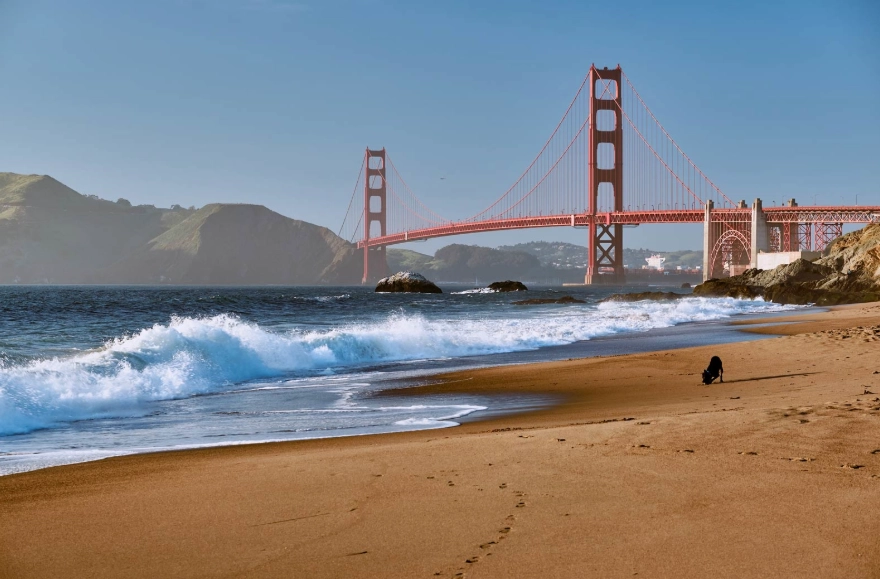
Free attractions are everywhere, if you know where to look. Every major city has them: the Smithsonian museums in Washington DC (all free), the walk across the Golden Gate Bridge, hiking in any national park (you pay for the vehicle entry, not per person). City tourism websites always have a "free things to do" section. Use it.
But here's my non-consensus advice: Sometimes, the paid thing is worth it. Skimp on your bus ticket and generic hotel to afford the $80 America the Beautiful Annual Pass. It gets your entire carload into every national park and federal recreation site for a year. If you see more than two major parks, it pays for itself instantly. That's value, not just cost-cutting.
Building Your Rock-Bottom Budget Itinerary
Let's make this concrete. Here are two sample frameworks.
The 10-Day Western National Parks Loop (Ideal for a small group with a rental car)
Route: Las Vegas > Zion > Bryce Canyon > Capitol Reef > Arches > Canyonlands > back to Vegas.
Sleep: Mix of BLM free camping and booked campgrounds (~$25/night split 4 ways).
Eat: Grocery store breakfast/lunch, one diner or casual dinner out.
Transport: Weekly economy car rental split 4 ways + gas.
Attractions: America the Beautiful Pass covers all park entries.
Estimated Daily Cost per person: $45-$65.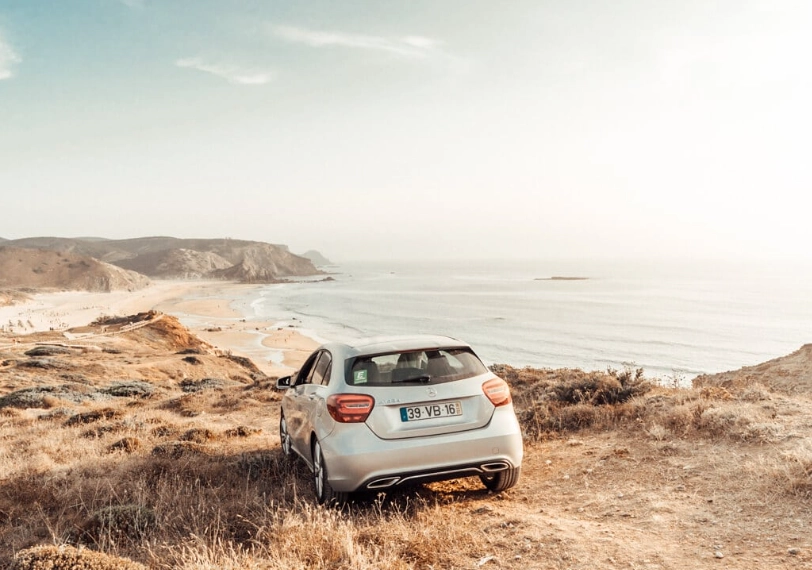
The 3-Week East Coast City & History Tour (Solo traveler using buses)
Route: Boston > New York > Philadelphia > Washington DC > Asheville (detour) > Atlanta.
Sleep: Hostel dorms ($35-$50/night).
Eat: Street food (NYC pizza, Philly cheesesteak), grocery staples, happy hour specials.
Transport: Advance-purchase FlixBus/Megabus tickets between cities.
Attractions: Focus on free museums (Smithsonian, NYC's Met pay-what-you-wish), walking tours, parks.
Estimated Daily Cost: $70-$90.
See the difference? One leverages a car and camping, the other uses intercity transit and hostels. Your choice depends on your travel style and who you're with.




Comments
Leave a Comment