Your Hot Springs Journey
Let's be honest, when you think of a national park, you probably picture vast wilderness, towering mountains, or deep canyons. Hot Springs National Park in Arkansas flips that script completely. Imagine a national park where the main attraction isn't a vista you hike to, but warm, mineral-rich water you soak in, right in the middle of a charming, walkable town. That's the unique charm of Hot Springs National Park. It's less about rugged backcountry and more about a historic, almost therapeutic urban park experience. I remember my first visit, driving down Central Avenue and being utterly confused—where was the park? Then it hit me: the park is the town, and the town is built around the park. It's a fascinating blend of nature and nurture that you won't find anywhere else in the National Park System.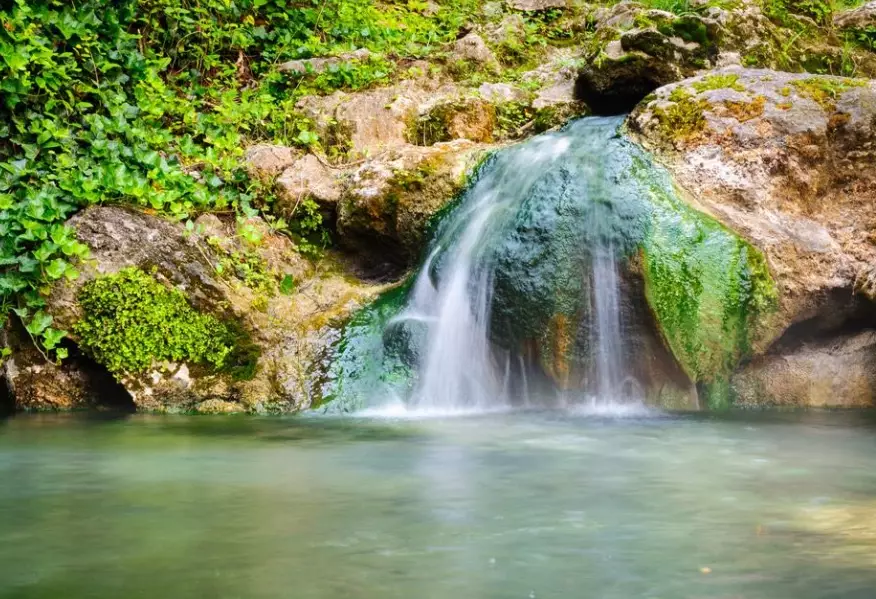
This place has been a destination for centuries, long before it became a federally protected reserve in 1832 (making it the oldestprotected area in the U.S., predating Yellowstone!). Native American tribes valued these springs, and by the late 1800s, it had transformed into a booming spa resort for the wealthy and famous. Today, Hot Springs National Park manages and protects 47 natural thermal springs, the historic Bathhouse Row, and over 5,500 acres of forested hills right in its backyard. So, whether you're here for a restorative soak, a dose of Gilded Age history, or a surprisingly good hike, this guide will walk you through everything you need to know to plan the perfect trip.
The Core Idea: Unlike most parks, Hot Springs is uniquely accessible. You can enjoy its primary resource—the thermal water—without a strenuous trek. It's a park of relaxation and historical immersion as much as outdoor activity.
First Things First: Understanding the Hot Springs
Before you dive in (figuratively, please—don't dive into the hot springs!), it's crucial to understand what you're dealing with. The water that makes Hot Springs National Park famous originates as rainfall in the nearby Ouachita Mountains. This water seeps deep into the earth—we're talking about 4,000 to 8,000 feet down—where it's heated by the natural geothermal gradient. Over the course of 4,000 years, the heated water rises back up through fractures in the rock, picking up minerals like silica and calcium along the way. By the time it emerges at the surface on the slopes of Hot Springs Mountain, it's a toasty 143°F (62°C).
That's scalding hot. You don't just jump in.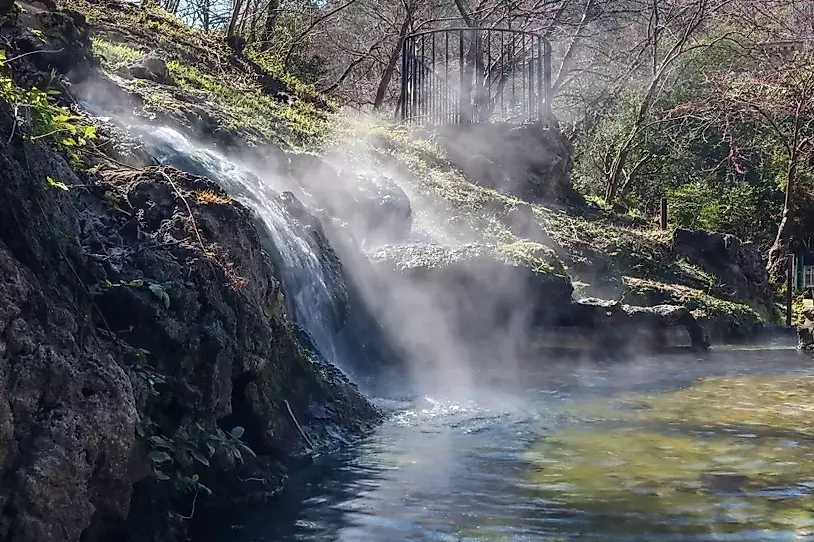
The National Park Service collects this water through a protected system. It's then piped to the various bathhouses on historic Bathhouse Row and to a public fountain, where it's cooled to a safe, comfortable temperature for bathing and drinking. The entire process is fascinating and is a testament to the park's mission of preservation. For the most accurate and scientific details on the spring system, I always refer people to the official National Park Service geology page. It's the definitive source.
Important Safety Note: The natural spring outlets and the hot water cascading down the mountain are OFF-LIMITS for soaking or touching. The water is dangerously hot and the ecosystem is fragile. Always enjoy the thermal water through the approved and safe facilities provided by the park and its partners.
Bathhouse Row: The Heart of the Experience
This is the iconic stretch of eight magnificent bathhouse buildings that define the front of the park. Walking down Bathhouse Row feels like stepping onto a movie set from the 1910s. Each building has its own character and history. Two are still operating as traditional bathhouses, one is a fantastic brewery, another is a cultural center, and the rest are in various states of preservation and adaptive reuse.
If you want the classic, full-service thermal bath experience, you have two excellent choices. Both offer the traditional sequence of treatments that made Hot Springs famous.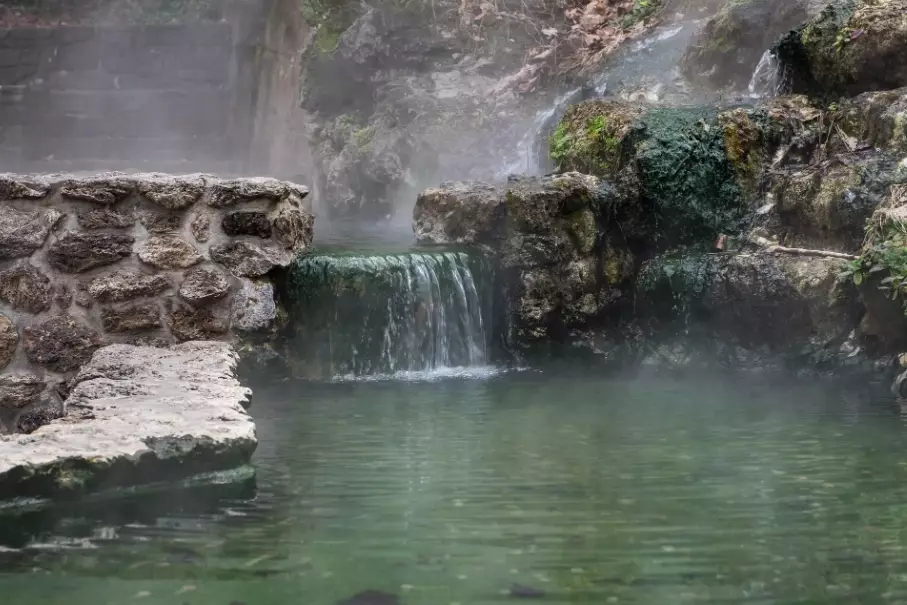
| Bathhouse | Experience & Vibe | What's Included (Typical Package) | My Take / Notes |
|---|---|---|---|
| The Buckstaff Bathhouse | The historic, no-frills, traditionalist choice. Operating continuously since 1912. It feels like a living museum where you're part of the exhibit. Efficient, professional, and focused purely on the bath process. | Thermal mineral bath, sitz bath, vapor cabinet, hot pack, and needle shower. Attendants guide you through each step. It's a structured, timed sequence. | This is the most "authentic" historic experience. Don't expect spa music or fancy decor. It's functional, charmingly dated, and all about the water. The attendants are pros. I found it incredibly relaxing, though some might find the institutional vibe a bit stark. |
| The Quapaw Baths & Spa | A more modern, spa-like interpretation within a historic shell (the 1922 Quapaw building). Softer lighting, calming music, and a more relaxed pace. Offers both communal pools and private baths. | Access to their beautiful public thermal pools (four with varying temps) is one option. Private bath packages add services like a eucalyptus steam room, hot pack, and more. | Perfect if you want to socialize a bit in the stunning domed communal pools or prefer a more contemporary spa atmosphere. Great for families or groups who want to soak together. The building's restoration is breathtaking. |
Beyond the baths, you absolutely must visit the Fordyce Bathhouse. It serves as the park's visitor center and museum. Walking through its restored halls, seeing the stunning stained glass, the gymnasium, and the elaborate bath halls gives you the complete picture of the opulence of the bathhouse era. It's free and is the best starting point for your visit. Rangers there can answer any question you have.
And yes, you can drink the water! The Hot Springs National Park drinking fountain is located just behind the Fordyce. Bring a bottle or jug and fill up. It tastes like… very warm, slightly mineral-y water. It's an acquired taste, but doing it is a rite of passage. Some people swear by its benefits.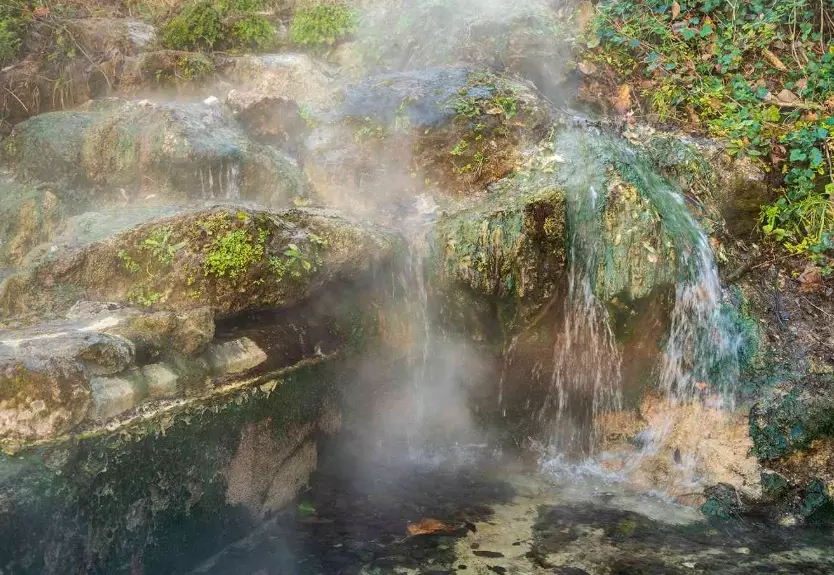
Wait, There's Hiking Too? Exploring the Trails
This is the part that surprises many first-timers. Behind Bathhouse Row, the city gives way to the steep, wooded slopes of Hot Springs Mountain and North Mountain. This is where Hot Springs National Park shows its more traditional side. Over 26 miles of trails crisscross these hills, offering solitude, great views, and a chance to work up a sweat before your soak.
The trail system is well-marked and interconnected, so you can create loops of various difficulties. Here are the trails you shouldn't miss, ranked by the view payoff versus effort required.
Top Trails for Views and Experience
- The Hot Springs Mountain Trail & Mountain Tower: This is the classic. You can start right from the Fordyce Visitor Center on the Short Cut Trail, which connects to the longer loop around the mountain. The summit is crowned by the Hot Springs Mountain Tower. Paying the fee to go up the tower is 100% worth it. The 360-degree view of the Ouachita Mountains and the town nestled in the valley below is the best visual context you'll get for the park's unique layout.
- The Goat Rock Trail: Accessible from the North Mountain area (a short drive from downtown), this might be my favorite hike in the park. It's a moderate trail that leads to a dramatic, rocky outcrop with a breathtaking panoramic view. It feels wild and remote, even though you're minutes from town. Perfect for sunset.
- The Gulpha Gorge Trail & Campground: A steep but short hike that starts right at the park's main campground. It climbs quickly to a nice overlook. It's a great leg-stretcher if you're staying at the campground. Speaking of which, the Gulpha Gorge Campground is a fantastic, centrally located place to stay if you have an RV or tent. You can reserve sites on Recreation.gov.

Trail Tip: The trails are rocky and can be slippery, especially after rain. Good hiking shoes or trail runners are a must. Don't attempt the steeper ones in flimsy sandals. And yes, there are snakes (mostly harmless) and bugs, so stay on the trail and consider bug spray in summer.
Planning Your Trip: The Nitty-Gritty Details
Okay, so you're sold on visiting Hot Springs National Park. Let's talk logistics. This isn't a "throw a backpack in the car and go" type of park for most people. A little planning makes it much smoother.
Where to Stay
You have three main options, each with a different flavor:
- In the Historic District (Downtown): This is the most convenient option. You can walk to Bathhouse Row, restaurants, and some trailheads. You'll find historic hotels like The Arlington (the grand dame), The Waters, and plenty of smaller inns and B&Bs. Prices are higher, and parking can be a challenge, but the atmosphere is unbeatable.
- Gulpha Gorge Campground: As mentioned, this is the park's only campground. It's first-come, first-served for tents, but you can reserve RV sites. It's basic (no hookups at tent sites) but beautiful and incredibly convenient for accessing trails. The sound of the gorge stream is lovely.
- Modern Hotels/Motels along the Highway (MLK Blvd): A 5-10 minute drive from downtown, this strip offers all the familiar chain hotels (Hampton Inn, La Quinta, etc.) at generally lower prices, with easy parking and often pools. It's a practical, if less charming, choice.
Getting Around & Parking
Hot Springs is a very drivable small city. Having a car is the easiest way to get to the various trailheads scattered around the park's perimeter. Downtown parking is the main headache. There are paid lots and garages, and free street parking that is often time-limited (2 hours). Read the signs carefully! My strategy is to park in a garage for the day when doing the Bathhouse Row activities, then drive to trailheads for hiking.
How Many Days Do You Need?
You can get a great feel for Hot Springs National Park in two full days.
- Day 1: Focus on the historic district. Visit the Fordyce Museum, take a bathhouse tour or get a bath package, stroll the Grand Promenade behind the bathhouses, drink the spring water, and explore the downtown shops.
- Day 2: Focus on the outdoors. Hike the Hot Springs Mountain Trail, go up the Tower, drive over to North Mountain for the Goat Rock Trail. Maybe enjoy a different bath experience (like the Quapaw's public pools) in the afternoon to soothe those muscles.
A third day lets you explore further afield, like Lake Ouachita or the scenic drives in the Ouachita National Forest.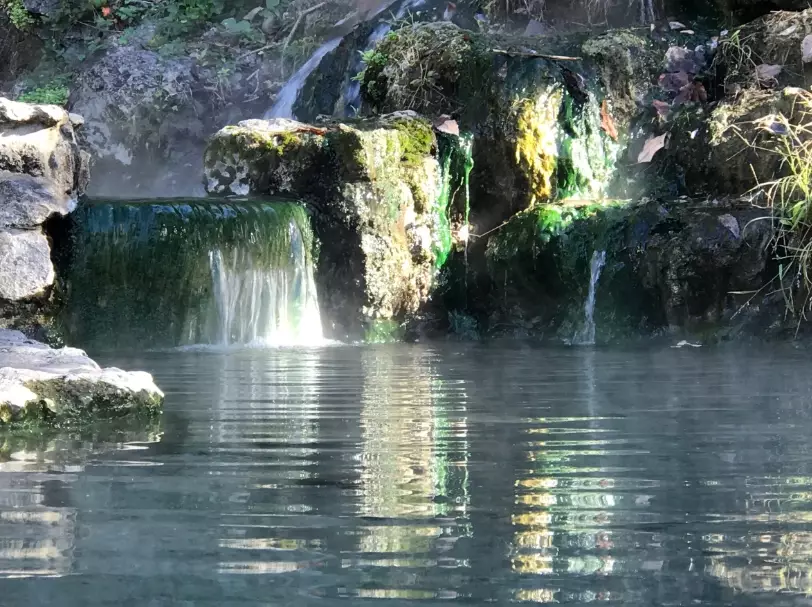
Answering Your Burning Questions (The FAQ)
I get asked these all the time. Let's clear them up.
The Stuff No One Tells You (But Should)
Let's get real for a second. Hot Springs is amazing, but it has its quirks.
The Downtown Vibe: Central Avenue is a mix of wonderful historic preservation and some slightly tired, kitschy stretches. You'll find excellent restaurants next to old-school souvenir shops. Embrace the eclectic charm. Don't expect a perfectly polished, upscale resort town. It has character, warts and all.
The "Spa" Expectation: If you're used to luxury destination spas, the traditional bath experience at Buckstaff might feel… clinical. It's not about aromatherapy and fluffy robes; it's about the historic ritual of the bath. Adjust your expectations accordingly. For the luxury feel, the Quapaw or the spa at The Arlington are better bets.
Crowds: It gets busy on weekends, especially holiday weekends. Parking becomes a competitive sport. If you can visit mid-week, you'll have a much more relaxed experience at the bathhouses and on the trails.
My personal favorite hidden gem? The Grand Promenade. This brick pathway behind Bathhouse Row is a level, easy walk that lets you see the tufa rock formations created by the cooling thermal water and get a sense of the scale of the bathhouse buildings from behind. It's peaceful, shaded, and feels like a secret garden. I always make time for a quiet stroll there.
Final Thoughts Before You Go
Hot Springs National Park challenges what a national park can be. It's a testament to the idea that preservation isn't just about locking away wilderness; it can be about safeguarding a cultural and natural resource that people interact with directly. You come here not just to look, but to immerse yourself—literally—in the resource.
To make the most of it, embrace both sides: the profound history and human ingenuity of Bathhouse Row, and the quiet, forested beauty of the mountain trails. Plan ahead for your baths and lodging, wear good shoes, and come ready to relax in a way you probably never have in a national park before.
It's a unique piece of American history, served up at a comfortable 100 degrees. Don't miss it.


Comments
Leave a Comment