In This Article
Let's be honest, when you think of Mesa Verde, you picture those incredible houses tucked under cliffs. You've seen the photos. Cliff Palace looks like something out of a movie set, not real life. But there's a whole lot more to this place, and a bunch of stuff nobody really tells you before you go.
I remember my first visit. I drove up that winding road from the entrance, expecting to see the famous sites right away. Nope. It's a commitment. The park is huge, and everything is spread out. If you're not prepared, you can spend half your day just figuring out where to buy tickets and which tour you can actually get on. That's why I'm writing this – to save you the headache I had.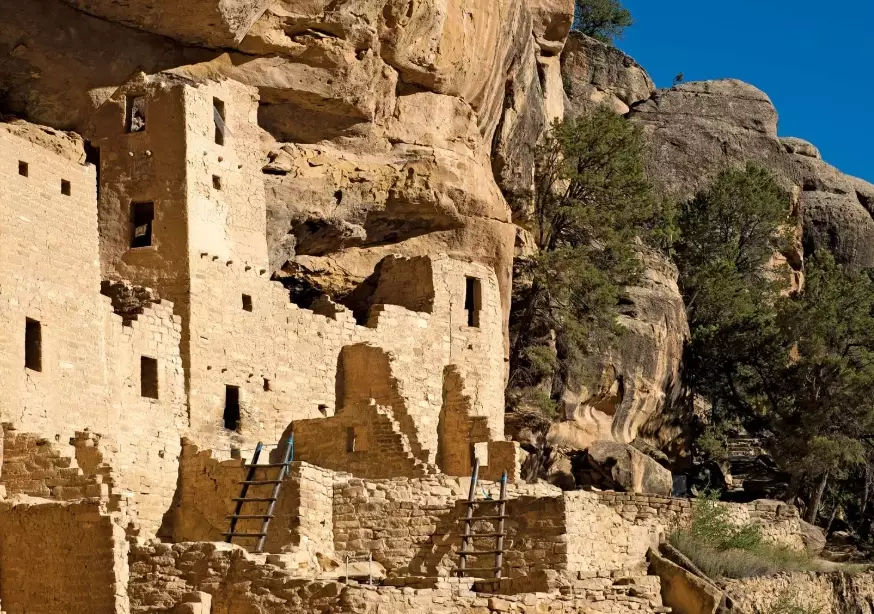
So, What Exactly Is Mesa Verde National Park?
In a nutshell, it's a massive mesa (flat-topped mountain) in southwest Colorado that preserves over 700 years of Ancestral Puebloan history. These aren't just ruins. They're homes, ceremonial spaces, and entire communities that were lived in from about AD 550 to 1300.
The people didn't start out living in cliffs. For centuries, they lived on top of the mesa in pithouses and later pueblos. It was only in the final 100 years or so (roughly 1200 to 1300) that they built the famous cliff dwellings. Then, they left. The reasons are still debated – drought, resource depletion, social changes – but their descendants, the modern Pueblo nations, are still here.
The park was established in 1906, thanks largely to the relentless work of a woman named Virginia McClurg and others who fought to protect it from looters. It was the first national park created to protect human-made works, not natural wonders. That says something.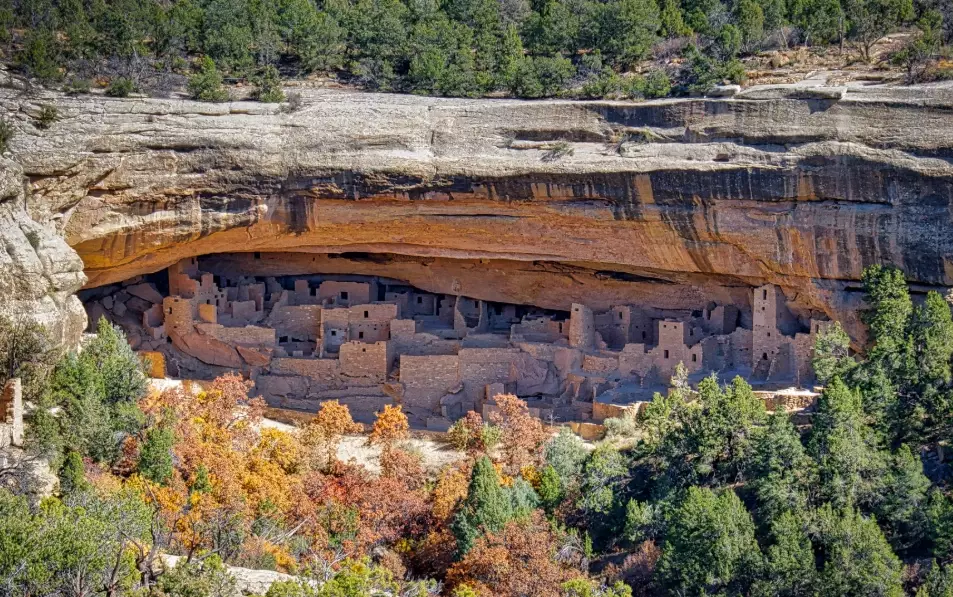
The Big Question: How Do You Actually Visit the Cliff Dwellings?
This is where most people get tripped up. You can't just walk up to Cliff Palace whenever you want. Access to the major cliff dwellings is strictly controlled for preservation and safety. You have two main options: ranger-guided tours or viewing from overlooks.
Ranger-Guided Tours (The Must-Do Experience)
If you want to walk among the dwellings, you need a ticket for a ranger tour. There are three main ones, and they are very different.
| Tour Name | What's It Like? | Physical Difficulty | Best For... |
|---|---|---|---|
| Cliff Palace | The iconic one. You'll descend stone steps and climb four short ladders. The ranger talk here is fantastic, focusing on the architecture and community life. | Moderate. Involves uneven steps and climbing ladders (about 120 ft vertical change). | First-timers, families with older kids, photographers. |
| Balcony House | The adventure tour. It involves climbing a 60-foot ladder, crawling through a 12-foot tunnel, and scrambling up stone steps. It's thrilling. | Strenuous. Not for those afraid of heights or tight spaces. | Adventure seekers, those wanting a physical connection to how the Puebloans lived. |
| Long House | On Wetherill Mesa, it's less crowded. The tour is longer and more archaeological in focus. You'll see a great kiva and more intact rooms. | Moderate. More walking on trails and a few ladders. | Those wanting a deeper, quieter historical dive. Avoids the main crowds. |
Now, the critical part: getting tickets. You can't buy them at the dwelling. All tickets are sold online through Recreation.gov. They release tickets 14 days in advance at 8 a.m. MT. For summer dates, they sell out fast, often within minutes. Set an alarm. Have an account ready. Be logged in at 7:59. It's competitive.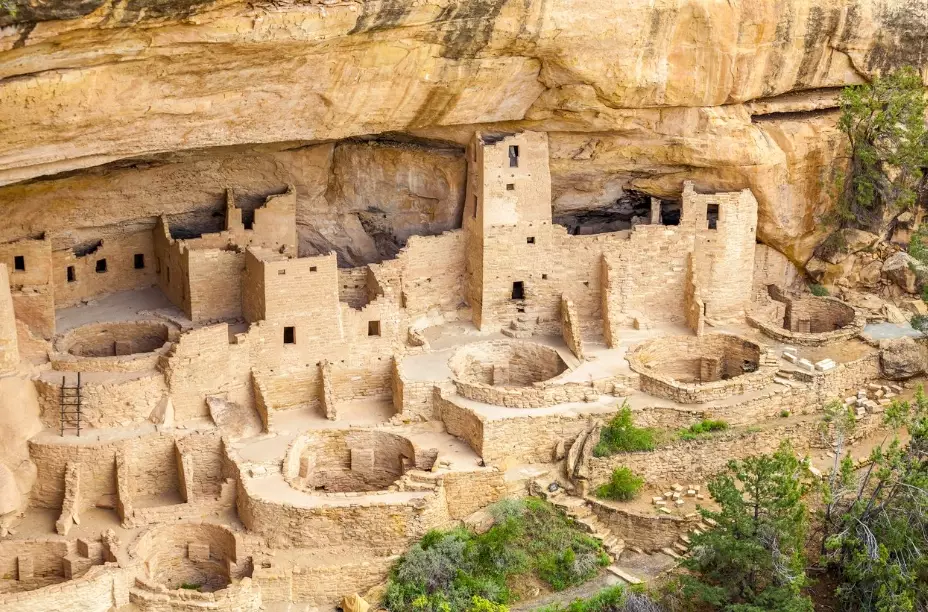
Overlook Views (The No-Ticket Option)
No ticket? No problem. You can still see some amazing dwellings from designated overlooks along the Mesa Top Loop Road. Sun Point Overlook gives you a stunning, panoramic view of several dwellings across the canyon. It's perfect for sunset. Sun Temple and Square Tower House are also visible from easy pull-offs. This is a fantastic option for those with mobility issues or very young children.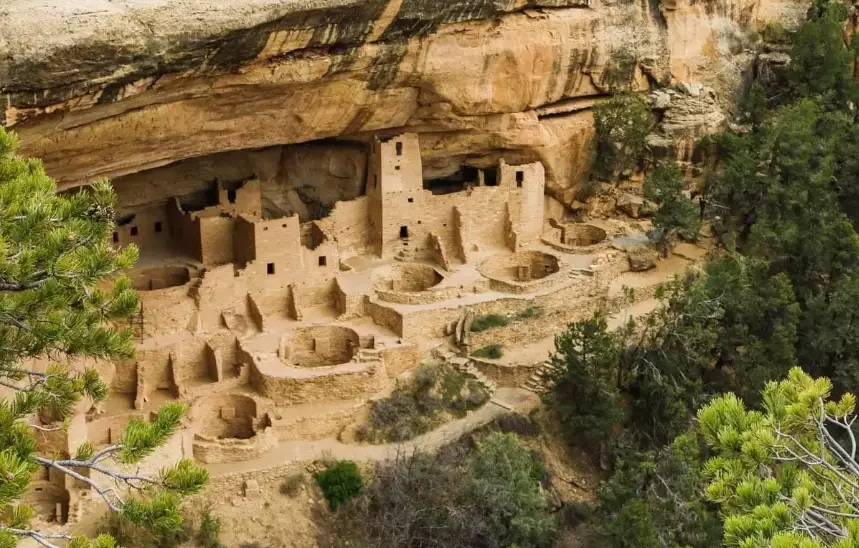
Beyond the Cliffs: What Else is There to Do?
If you only do the cliff tours, you're missing half the story. The mesa top is where the history began.
The Mesa Top Loop Road is a 6-mile self-guided drive with stops at pithouse and pueblo sites. You can see how architecture evolved over 600 years. It's like walking through a timeline. My personal favorite stop is the Sun Temple – a massive, D-shaped structure whose exact purpose is still mysterious (likely ceremonial).
For a great hike that gets you away from the road, try the Petroglyph Point Trail. It's a moderate 2.4-mile loop that takes you past a large panel of ancient rock art. The trail itself is fun, winding through canyons and up stone staircases. Just know it's not a loop to the actual point – you see the petroglyphs about halfway.
Over on Wetherill Mesa (open seasonally), you find a quieter experience. The drive there is long, but once you're there, you can bike or walk the 5-mile Long House Loop road (closed to public vehicles), see Long House, and hike the Nordenskiöld Site No. 16 trail to another overlook. It feels more remote and exploratory.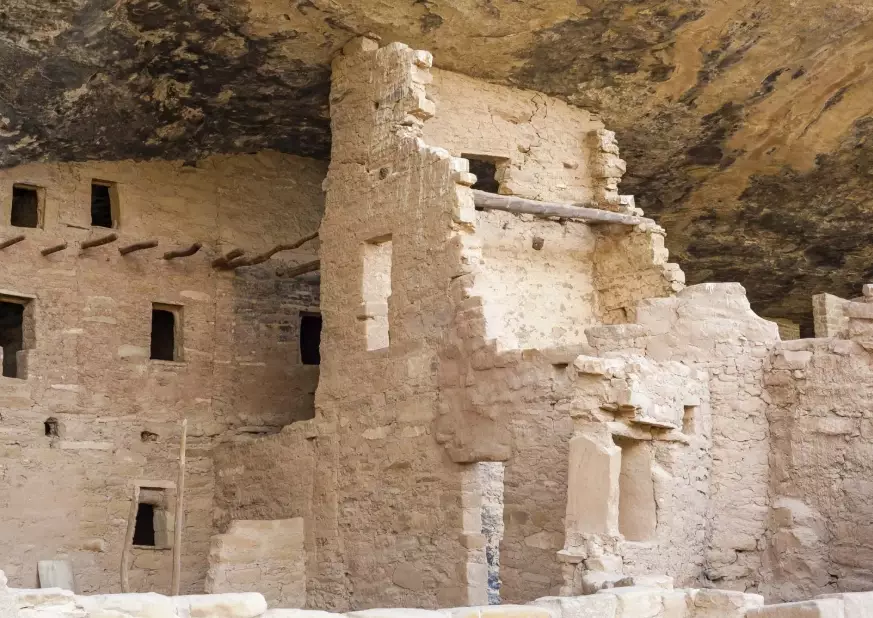
Planning Your Trip: The Nitty-Gritty Details
Okay, let's get practical. This is the stuff that makes or breaks a trip.
When to Go to Mesa Verde
This isn't a year-round park for full access. The cliff dwelling tours typically run from late April/May through October.
- Spring (May-June): My favorite time. Wildflowers are out, temperatures are mild, and crowds are manageable. But be ready for unpredictable weather – I've seen snow in May.
- Summer (July-August): Peak season. It's hot, dry, and crowded. All facilities are open, but you must book everything far in advance. Afternoon thunderstorms are common.
- Fall (September-October): A close second for best time. Crowds thin, the air is crisp, and the changing aspens in the surrounding mountains are stunning. Tours start winding down in October.
- Winter (Nov-Apr): The park is open, but only for mesa top driving and overlooks. The cliff dwellings are closed. It can be beautifully quiet and snowy, but your experience will be limited.
Where to Stay and Eat
Inside the park, the Far View Lodge is your only option. The rooms are basic (no TVs, no air conditioning – you don't really need it at 7,000 feet), but the location is unbeatable. Waking up in the park for a sunrise over the mesas is worth it. Book months ahead.
The nearby town of Cortez, Colorado has every chain hotel and motel imaginable, plus more dining options. It's about a 15-minute drive to the park entrance. Mancos is a smaller, quieter town closer to the east entrance. Durango is a larger, cool mountain town about an hour away, with more upscale lodging and food.
For food in the park, the Metate Room restaurant at Far View Lodge is surprisingly good, with a focus on local ingredients and flavors inspired by the region. For a quick bite, the Far View Terrace Cafe has the standard burgers and salads. Packing plenty of water and snacks in your car is non-negotiable. Services are few and far between once you're on the mesa.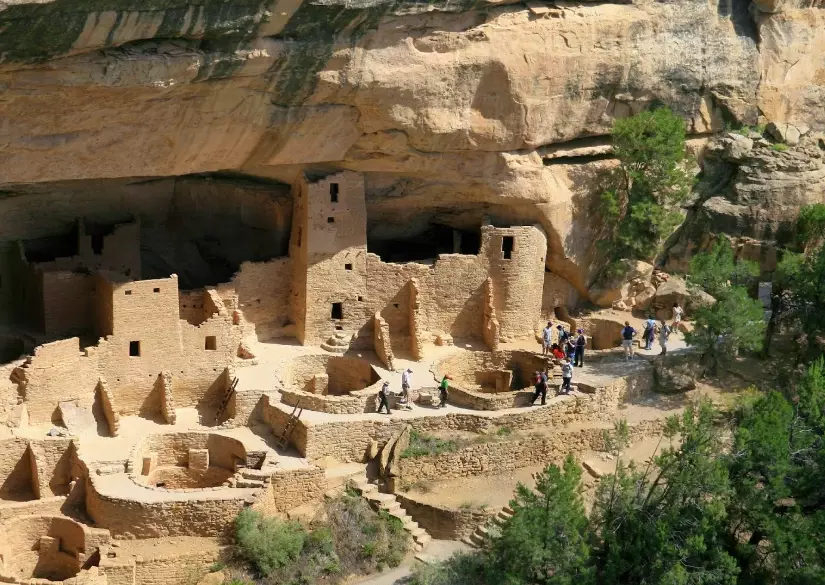
Answering Your Burning Questions (FAQ)
I get asked these all the time. Here's the straight talk.
- Do not touch the walls or structures. The oils from your hands damage the plaster and stone.
- Do not take anything. Not a pot shard, not a piece of charcoal. It's illegal and disrespectful.
- Do not wander off trails or into closed areas. It's dangerous and damages fragile archaeological sites.
- Do not yell or make loud noises in the cliff dwellings. It disturbs other visitors and feels just plain wrong in such a serene place.
A Personal Take: The Crowds and The Magic
Let's not sugarcoat it. Mesa Verde can feel overrun in July. The parking lots at Cliff Palace overlook fill up. The tours can feel a bit herded. There's a tension between letting people experience this wonder and protecting it. Sometimes, the park feels like it's leaning a bit too far into the tourism machine.
But then, you have a moment.
I was on a late afternoon Cliff Palace tour once. The crowds had thinned. Our ranger stopped talking for a minute and just asked us to listen. The only sound was the wind whistling through the canyon and the distant cry of a raven. You could almost feel the presence of the people who built this, who raised families here, who looked out from these same ledges. The modern world melted away.
That's the magic of Mesa Verde National Park. It's not just about seeing old buildings. It's about connection. It's a humbling reminder of human ingenuity and resilience. These weren't primitive cave dwellers. They were master engineers, astronomers, and community builders who thrived in a harsh landscape for centuries.
So go. Plan ahead, book those tickets, bring your water. But once you're there, put the phone away for a minute. Look past the Instagrammers. Listen to the wind in the canyons. That's when Mesa Verde truly speaks to you.
For the most current, official information on everything from road closures to fire restrictions, always double-check the National Park Service page for Mesa Verde conditions. It's the final word. And if you want to understand the cultural context on a deeper level, the Crow Canyon Archaeological Center, a non-profit research and education group nearby, has incredible resources that go beyond the typical tourist info.



Comments
Leave a Comment