So you're asking, "How much is a US visa now?" Let's cut to the chase. The answer isn't a single number. If you only look up the basic application fee, you're setting yourself up for a surprise. The total cost is a puzzle with three main pieces, and missing one can leave you scrambling right before your interview. I've seen it happen.
Based on the latest information from the U.S. Department of State, here’s the complete, no-surprises breakdown.
Quick Navigation: What You'll Find Here
The 3-Part Fee Structure You Must Know
Think of the total US visa cost as a layered cake. Most people only see the top layer.
1. The MRV Application Fee (The Non-Refundable One)
This is the Machine Readable Visa fee. It's what most articles quote. You pay this to have your application processed. The key word here is processed, not approved. This fee is gone the moment you pay it, even if your visa is denied. It covers the administrative cost of reviewing your DS-160 form and scheduling your interview.
2. The DS-160 Form Fee
This is separate. It's the cost of submitting the online nonimmigrant visa application form itself. Sometimes it's bundled in descriptions, but it's a distinct charge. You can't even schedule an interview without a confirmed DS-160.
3. The Visa Issuance (Reciprocity) Fee
This is the big one people miss. It's not paid upfront. If your visa is approved, then you may have to pay this fee based on your country of citizenship. The U.S. charges citizens of certain countries a fee that mirrors what that country charges U.S. citizens for similar visas. It can range from $0 to several hundred dollars. You only pay this after the consular officer says "approved."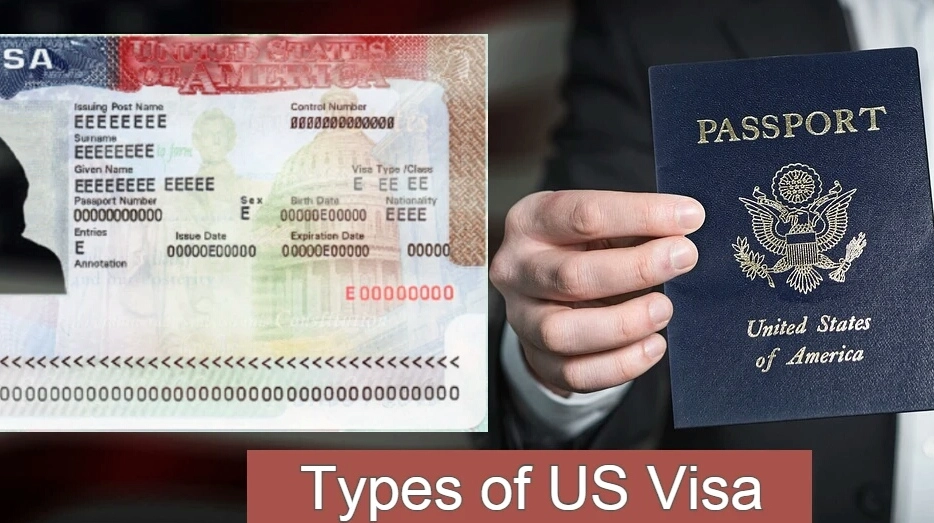
Current Fees by Visa Type
Fees are set by treaty and policy. Here are the current MRV application fees for common nonimmigrant visas. These are subject to change, so always verify on the official visa fees page.
| Visa Category | Common Examples | MRV Application Fee (USD) |
|---|---|---|
| Visitor Visas | B1/B2 (Business/Tourism) | $185 |
| Student & Exchange Visitor | F, M, J visas | $185 |
| Petition-Based Visas | H, L, O, P, Q, R visas | $205 |
| Treaty Trader/Investor | E-1, E-2 visas | $315 |
| K Fiancé(e) Visa | K-1 | $265 |
Immigrant visa (green card) fees are a different and more complex structure, often involving payments to both the Department of State and U.S. Citizenship and Immigration Services (USCIS).
How and When to Pay Your Fees
The process is specific and must be followed exactly.
First, you complete the DS-160 online and get your confirmation number. Then, you create a profile on the official U.S. visa application and appointment scheduling website for your country (like the U.S. Visa Information Service).
Payment methods vary by country but typically include:
- Electronic fund transfer from a local bank.
- Credit/debit card payment through the secure portal.
- Payment at designated bank branches (you get a deposit slip to print).
You must pay the MRV fee before you can see available interview dates. The reciprocity fee, if applicable, is paid later—often at the visa issuance window or through a separate cashier at the embassy/consulate after approval.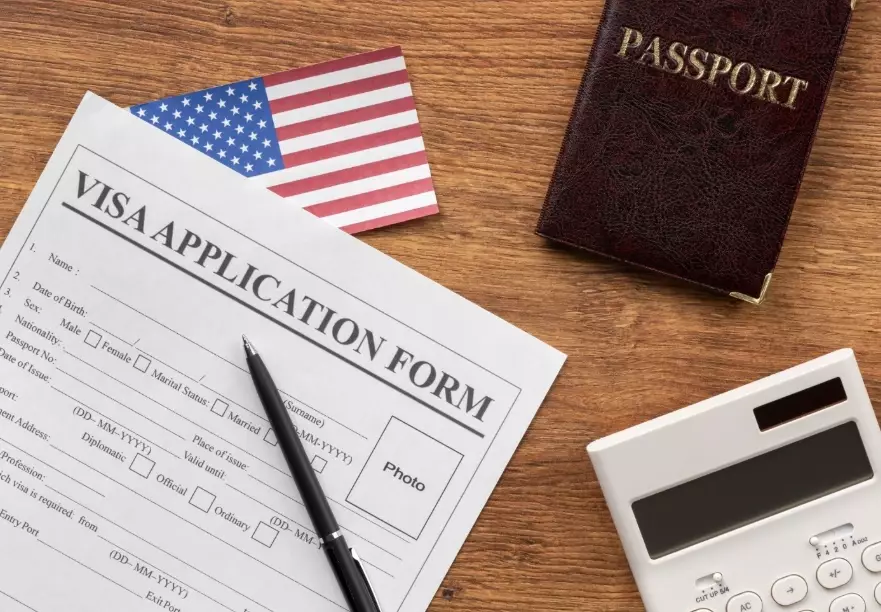
The Hidden Costs Nobody Talks About
The government fees are just the start. The real budget includes these often-overlooked items.
Passport Photos: You need specific, compliant photos. That's usually $10-$20.
Document Translation & Certification: If any supporting document (birth certificate, marriage license) isn't in English, you need a certified translation. This can cost $30-$50 per document.
Travel to the Interview: For many, this is the biggest hidden cost. You must interview at a U.S. embassy or consulate, which may be in another city or country. Factor in flights, hotels, meals, and local transportation. I met a family from West Africa who spent over $2,000 traveling to the interview location.
Courier Services: Most embassies don't return your passport with the visa in person. You pay for a courier service to deliver it to your home or a pickup location. This is usually a mandatory, fixed fee.
Time Cost: Gathering documents, filling forms, traveling. It's immense.
How to Avoid Overpaying (and Getting Scammed)
This is where experience pays off.
1. Use ONLY Official Websites. Start at travel.state.gov. Never Google "US visa apply" and click the first ad. Scammers create look-alike sites that charge "expedited service" fees for doing nothing. You pay double for the official fee plus their fake fee.
2. Verify Reciprocity Early. Use the U.S. Department of State's Reciprocity Fee Finder. Type in your country, and see the exact issuance fee for your visa type. Budget for it.
3. Get Photos Done Right the First Time. Go to a professional photo service familiar with U.S. visa requirements. A rejected photo means a last-minute panic and extra cost.
4. Consolidate Your Interview Trip. If you have to travel far, try to handle other errands in that city. Make it a productive trip.
The biggest mistake? Rushing. A hurried application leads to mistakes, which can lead to denial—and you lose the entire MRV fee. Take your time.
Your Top Visa Fee Questions Answered
So, back to the original question: How much is a US visa now? For a typical tourist from a country with no reciprocity fee, the direct government cost is about $185. But for many, the true all-in cost—including reciprocity, travel, and preparation—can easily reach $500 to $1,000 or more.
Plan for the whole puzzle, not just the first piece. Check the official sources twice, budget for the hidden layers, and you'll walk into your interview with one less thing to worry about.





Comments
Leave a Comment