California's beauty is more than a postcard. It's a daily reality for those who call its most stunning corners home. But with so many iconic landscapes—from rugged coastlines to serene wine country—how do you choose where to plant roots? This isn't about tourist spots. It's about livability, community, and waking up to views that never get old.
I've lived in and traveled through California for over a decade. The mistake most people make? Chasing the most famous name, not the place that fits their actual life. Let's cut through the hype and look at seven genuinely beautiful places to live, each with a distinct personality.
Your Quick Guide to California's Beauty
- Carmel-by-the-Sea: The Storybook Village
- Santa Barbara: The American Riviera
- San Luis Obispo: The Balanced Gem
- Muir Beach: The Rugged Escape
- San Juan Capistrano: The Historic Heart
- St. Helena: The Wine Country Idyll
- South Lake Tahoe: The Mountain Majesty
- How to Choose Your Perfect California Beauty
- The Hidden Challenges of Living in Paradise
- Your California Relocation Questions Answered
Carmel-by-the-Sea: The Storybook Village
Imagine a village where fairytale cottages hide behind flowering vines, art galleries line cobblestone lanes, and a white-sand beach is just a short walk away. That's Carmel. It’s meticulously charming, almost to a fault. The architecture is strictly controlled (no street addresses, only named houses), which preserves its unique look but can feel a bit theme-park perfect to some.
The vibe: Upscale, artistic, and quiet. The pace is slow. You’re more likely to hear waves than traffic. It’s a haven for writers, retirees, and anyone seeking a serene coastal life. The downtown is tiny and walkable, filled with boutique shops and fine dining. The famous Carmel Beach at the end of Ocean Avenue is dog-friendly (off-leash) and offers stunning sunset views.
The catch: It’s expensive. Very expensive. And it can feel isolated. You're a good 45-minute drive from a major airport or big-box store. The fog rolls in heavily during summer months, which locals love but newcomers often underestimate.
Santa Barbara: The American Riviera
Santa Barbara wears its beauty confidently. Red-tile roofs, white stucco buildings against the Santa Ynez Mountains, and a long, palm-lined beachfront. It’s a city, not a town, but one that feels relaxed and cohesive. The weather is arguably the best in California—consistent, mild, and sunny.
The vibe: Sophisticated yet casual. There’s a thriving food and wine scene anchored by the Funk Zone district, a prestigious university (UCSB nearby), and a strong sense of community. You can hike in the hills in the morning and have a world-class meal by the harbor in the evening.
The reality: Like Carmel, cost is the primary barrier. Housing is fiercely competitive. The traffic on State Street and the 101 Freeway can be frustrating. But if you can swing it, you get a near-perfect blend of natural beauty, culture, and amenities. The community actively maintains its Spanish colonial heritage, which gives it a unique, cohesive aesthetic you won't find elsewhere.
San Luis Obispo: The Balanced Gem
SLO (as everyone calls it) is the insider's pick. It’s less glitzy than Santa Barbara and more functional than Carmel, but it consistently ranks as one of the happiest places to live in the U.S. for good reason. It sits halfway between LA and San Francisco, nestled in rolling green hills just a few miles from the coast.
The vibe: College town energy (thanks to Cal Poly) meets central coast chill. The downtown is vibrant, anchored by the quirky Bubblegum Alley and the famous Thursday night farmer’s market that takes over the streets. There’s easy access to hiking at Bishop Peak and beaches like Montaña de Oro State Park are a short drive away.
What I love about SLO is its balance. It feels real. You have tech workers, students, farmers, and artists all mingling. The cost of living is high but more approachable than the spots further south. The airport is small but functional. It’s a place where beauty is part of the everyday without being the entire identity.
Muir Beach: The Rugged Escape
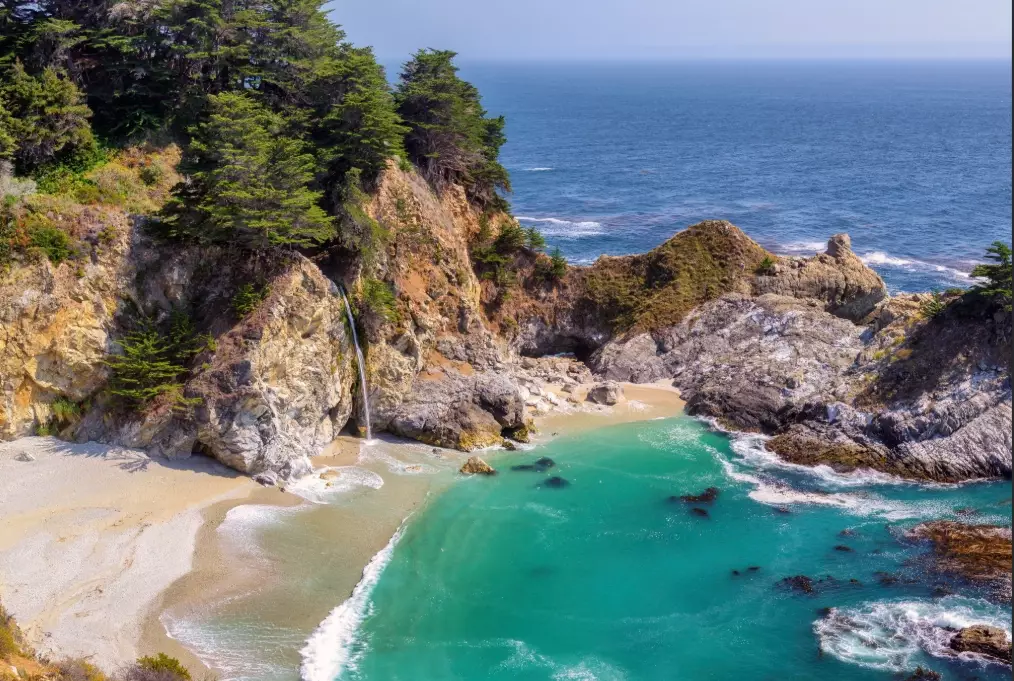
For those who find Carmel too polished, look north to Marin County. Muir Beach is a tiny, unincorporated community of a few hundred homes tucked into a wild canyon that empties onto a dramatic, wind-swept cove. This is for the true nature seeker.
The vibe: Secluded, rugged, and deeply connected to the outdoors. Your neighbors will be redwoods and hawks. You’re minutes from the trails of the Muir Woods National Monument and the coastal bluffs of the Golden Gate National Recreation Area. The famous Pelican Inn offers a pint of Guinness and a dose of old-English charm.
The trade-off: Convenience is not a thing here. You must drive narrow, winding roads for groceries or a coffee. The beach is often too cold and rough for swimming. The fog is a frequent companion. But if your dream is silence broken only by the sound of the Pacific and your backyard is a national park, this is it. Privacy and raw beauty are the currencies here.
San Juan Capistrano: The Historic Heart
Often overshadowed by its flashy Orange County neighbors, San Juan Capistrano is a treasure. Centered around the iconic Mission San Juan Capistrano, the town has preserved its historic Los Rios district—the oldest neighborhood in California—with adobes and gardens that transport you back centuries.
The vibe: Historic, family-oriented, and surprisingly down-to-earth for OC. There’s a strong sense of place and tradition, celebrated annually with the Return of the Swallows. The Metrolink station provides a straightforward commute to Los Angeles, which is a huge practical advantage.
You get beautiful, well-kept neighborhoods, excellent schools, and a walkable downtown with great restaurants, all while being a 15-minute drive from some of Southern California’s best beaches like Doheny State Beach. It offers a slice of California’s Spanish mission history as a living backdrop to daily life, which is a unique form of beauty.
St. Helena: The Wine Country Idyll
If your ideal beauty involves rolling vineyards, gourmet food, and a slower agricultural rhythm, Napa Valley’s St. Helena is the pinnacle. It’s the heart of the wine country, with Main Street lined with tasting rooms, Michelin-starred restaurants like The Restaurant at Meadowood, and century-old oak trees.
The vibe: Rustic luxury. It’s farm-to-table as a way of life. The beauty is cultivated and abundant—manicured vineyards against the Mayacamas Mountains. The community is tight-knit, revolving around the seasons of the vine.
Living here isn't just about visiting wineries; it's about being part of an agricultural community. The downsides? It’s isolated from urban centers (about an hour to Sacramento), and wildfire season is a real and annual concern that weighs on everyone. The cost is high, but you’re paying for an unparalleled quality of life centered on land, food, and wine.
South Lake Tahoe: The Mountain Majesty
California beauty isn't all coastline. South Lake Tahoe offers a staggering alpine landscape centered on the crystal-clear, massive lake. It’s a year-round playground for skiing, hiking, boating, and mountain biking.
The vibe: Energetic, outdoorsy, and a mix of permanent residents and second-home owners. The Nevada state line runs through town, adding a quirky casino element on one side. You can ski at Heavenly Mountain Resort in the morning and be on a beach by the lake in the afternoon (in the right season).
The reality check: It’s a tourist town. Summers and winters get packed, which means traffic and crowded grocery stores. The winters are long, snowy, and can feel isolating. Employment can be seasonal and tied to tourism. But if you thrive on mountain air and an active lifestyle, the sheer scale of the natural beauty—the sapphire lake, the granite peaks—is a daily reward that’s hard to match anywhere else.
The Beauty Breakdown: A Quick Comparison
Choosing between a coastal cove and a mountain lake? This table sums up the key practical differences to help you compare.
| Place | Beauty Type | Approx. Median Home Price* | Perfect For | Biggest Consideration |
|---|---|---|---|---|
| Carmel-by-the-Sea | Coastal Fairytale | $2.8M+ | Retirees, artists, seekers of serene perfection | Extreme cost, summer fog, limited services |
| Santa Barbara | Mediterranean Coastal City | $1.9M+ | Professionals, families wanting culture & beach | High cost, tourist traffic, competitive housing |
| San Luis Obispo | Inland Coastal Hills | $1.1M+ | Balanced lifestyle seekers, academics, remote workers | Distance from major airports (SBP is regional) |
| Muir Beach | Rugged Northern Coast | $2.5M+ | Ultimate nature lovers, privacy seekers | Extreme isolation, winding access roads, fog/cold |
| San Juan Capistrano | Historic Inland Southern CA | $1.4M+ | Families, history buffs, LA commuters | Still pricey, can feel suburban, inland heat |
| St. Helena | Wine Country Valley | $2.2M+ | Food/wine enthusiasts, agricultural community fans | Wildfire risk, tourist seasons, limited industry |
| South Lake Tahoe | Alpine Lake & Mountains | $850K+ | Year-round outdoor athletes, ski/snowboard devotees | Heavy tourist seasons, long winters, seasonal economy |
*Source: Zillow & Redfin data estimates, 2023-2024. Prices are fluid and indicative.
How to Choose Your Perfect California Beauty
Don't just look at photos. Ask yourself these questions, which most relocation blogs gloss over:
What's Your Tolerance for Weather "Character"?
The Central Coast has June Gloom (overcast mornings). The Sierra has 6-month winters. Southern California has Santa Ana winds. That perfect 72-and-sunny stereotype is mostly for San Diego. Make sure you love—or at least can tolerate—the local weather pattern, not just its best day.
How Important is "Walkability" vs. "Drivability"?
Carmel and SLO's downtown are walkable. Muir Beach and many parts of Santa Barbara are not. If running errands requires a scenic 20-minute drive every time, is that a pleasure or a chore for you? Be honest.
Can You Handle the Tourist Pulse?
Living in a destination means sharing it. In Tahoe, your favorite hiking trail is packed in July. In St. Helena, getting a Saturday dinner reservation in harvest season is tough. In Carmel, finding parking downtown in the afternoon can be impossible. This affects your daily life more than you think.
The Hidden Challenges of Living in Paradise
Beyond cost, which is obvious, here are two subtle challenges that catch new residents off guard.
The "Beautiful People" Tax: In highly desirable towns, every service—from plumbing to landscaping—is in high demand and charges accordingly. Simple home repairs can cost significantly more than in a regular suburb because the contractors know their clientele can afford it.
Community Access: In small, wealthy enclaves like Carmel or Muir Beach, social circles can be tight-knit and based on long-standing relationships. It can take genuine, sustained effort to move from being "a new resident" to being part of the community. Joining local volunteer groups or clubs is often the key, not just living there.
Your California Relocation Questions Answered
The bottom line? The most beautiful place for you is where the landscape feeds your soul and the practicalities of daily life don't become a constant battle. Visit in the off-season. Talk to people at the local grocery store, not just the realtor. The right fit isn't just about the view from the window; it's about the community you join and the life you can sustainably build within that stunning backdrop.
For more detailed data on communities and living costs, resources like the U.S. Census Bureau and the Bureau of Labor Statistics offer valuable insights, while the Visit California website can help you explore regions further.


Comments
Leave a Comment