Planning a trip around America is the kind of adventure that sits on bucket lists for years. It's also the kind of project that can feel utterly overwhelming. Where do you even start? The classic mistake is jumping straight to picking sights on a map. That's putting the cart before the horse, and it's how you end up with a frantic, exhausting itinerary that feels more like a checklist than a vacation. After driving cross-country more times than I can count, I've learned that the magic lies in the framework you build first. Let's build that framework together.
Your Road Trip Planning Jumpstart
Pick Your Route & Craft a Sane Itinerary
First, decide on the shape of your journey. Are you doing a loop, a one-way trek, or a massive figure-eight? For a first-time epic trip, I almost always recommend the classic cross-country loop. It gives you a taste of everything.
Here's a solid three-week foundation that hits iconic spots without being insane:
| Segment | Key Stops | Drive Time (Core) | Why It Works |
|---|---|---|---|
| East to Heartland | NYC → Pittsburgh → Chicago | ~12 hours | Eases you into driving, urban to industrial charm. |
| Across the Plains | Chicago → Badlands NP → Mount Rushmore → Cody, WY | ~18 hours | Wide-open skies, first taste of real West. |
| Rocky Mountain High | Cody → Yellowstone NP → Grand Teton NP → Salt Lake City | ~12 hours | The scenic core. Budget 3-4 days here minimum. |
| Southwest & Deserts | Salt Lake City → Las Vegas → Grand Canyon South Rim → Flagstaff | ~15 hours | Stark beauty, neon lights, and awe-inspiring geology. |
| The Return East | Flagstaff → Albuquerque → Oklahoma City → Nashville → Washington D.C. | ~35 hours | Long drives, but rich culture and music history. |
Now, the expert tip everyone misses: plot your rest stops first. Seriously. On a 6-hour driving day, mark a town or scenic overlook roughly every 2 hours. I use Google Maps to drop pins for “potential lunch” or “stretch legs.” This prevents that desperate, hangry search for an exit and turns the journey into a series of small discoveries.
Don't be a slave to the interstate. The magic is on the blue highways. From Flagstaff to Albuquerque, skip I-40 and take Route 66 through Holbrook and Gallup. It adds an hour but you'll see vintage motels and the real Southwest.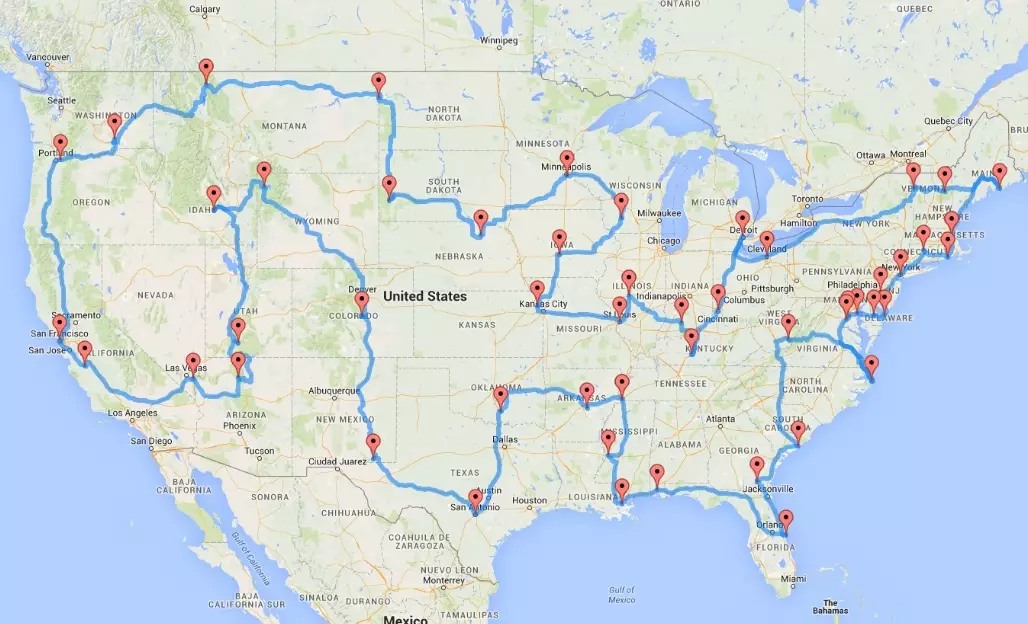
How Many Miles Per Day is Realistic?
This is where trips fall apart. New planners see “8-hour drive” and think “that's a day.” It's not. An 8-hour drive becomes a 10-hour day with stops for gas, food, and traffic. With sightseeing, it's a 12-hour marathon. For a relaxed, enjoyable trip, aim for 4-6 hours of pure drive time as your standard. Some days can be 2 hours, others 8, but the average should be manageable.
Itinerary Killer: Overestimating what you can see in a day. Yellowstone isn't a “half-day stop.” It's a massive, traffic-filled park where getting from Old Faithful to Lamar Valley can take two hours. Give major parks and cities the time they deserve, or you'll just see parking lots.
Set Your Realistic Budget (The Unsexy Truth)
Let's talk numbers without flinching. A mid-range, 3-week trip for two people will likely land between $5,000 and $8,000, excluding pre-trip costs like gear. Here's where it goes:
The Big Three (75% of your cost):
- Lodging: This is the killer. A decent hotel or Airbnb outside major cities runs $120-$180/night. In NYC, SF, or near a national park in peak season? $250+ is easy. Savings move: Mix in camping. A site at a national park is $20-$35. Even one camping night a week saves a bundle.
- Transport: Gas is volatile. Plan for $3.50-$4.50/gallon average. A 6,000-mile trip in a car that gets 25 MPG needs 240 gallons. That's roughly $960-$1080. Add rental car fees if applicable ($500-$800 for 3 weeks) and insurance.
- Food: You will eat out constantly. $50/day per person for casual meals, coffee, and snacks is a realistic minimum. That's $2,100 for two over 21 days. Fine dining blows this up fast.
The Hidden Costs: Park entry fees ($35 per vehicle, per park), parking in cities ($20-$50/day), tolls (especially in the Northeast), souvenirs, and that random $100 for a cowboy hat in Jackson Hole because you got caught up in the moment.
My #1 Budget Hack: Get the America the Beautiful Annual Pass. It's $80 and covers entrance fees for you and your passengers at all national parks and federal recreation lands. Entering more than three parks? It pays for itself instantly. Buy it at the first park gate or online via the National Park Service.
Book Where You'll Sleep: A Strategic Mix
You need variety. All hotels is expensive and sterile. All camping is exhausting if you're not prepared.
- Hotels/Motels: Your reliable fallback. Book refundable rates for popular areas (near parks, big cities) 2-3 months out. For less popular stops, you can book a week or even a day ahead. I like having the first and last night of a long segment booked for peace of mind.
- Vacation Rentals (Airbnb/VRBO): Great for 2+ night stays, especially with a group. Having a kitchen saves massive money on food. Look for places with free parking and washer/dryer.
- Camping: The soul of an American road trip. National Park campsites book up 6 months in advance on Recreation.gov. If they're full, look at surrounding National Forest or BLM land – often first-come, first-served, cheaper, and more secluded. KOA Kampgrounds are the reliable, clean chain of private camping.
On my last trip, my favorite stay wasn't a fancy hotel. It was a $30 campsite in the Custer State Park in South Dakota, where bison wandered through at dusk. Book the unmissable spots early, leave some gaps for spontaneity.
Plan Your Eats (And How to Save a Fortune)
American food culture is regional. Plan to experience it, but don't do every meal at a restaurant.
- Breakfast: Buy yogurt, fruit, and granola. Coffee from a local shop, not a gas station.
- Lunch: This is your picnic meal. Get bread, cheese, cold cuts, and local snacks from a grocery store. Eat at a scenic overlook.
- Dinner: Splurge here. Try the deep-dish in Chicago, the green chile stew in New Mexico, the barbecue in Nashville. Research one or two highly-rated local joints per major stop. Use Yelp/Google Maps filtered for “local favorites.”
A cooler is non-negotiable. A simple hard-sided cooler with ice packs lets you keep drinks, cheese, and leftovers cold for days. Refill ice for $2 at any gas station.
Final Pro-Tips & Logistics
When to Go: Late spring (May-June) and early fall (September-October) are golden. Summer is crowded and hot, especially in the Southwest. Winter brings mountain pass closures.
Driving: US roads are big. Distances are vast. Download offline Google Maps for remote areas (like parts of Wyoming or Utah). Get a good roadside assistance plan. Observe speed limits in small towns—they fund their budgets with tickets.
Packing: Layers. The desert is cold at night, mountains change weather fast. Comfortable shoes, a refillable water bottle, a power bank for devices, and a physical road atlas as a backup.
The goal isn't to see everything. It's to have a journey where the driving is part of the joy, not just a chore between photos. Plan the structure, then let the weird roadside attractions and friendly diner conversations fill in the blanks.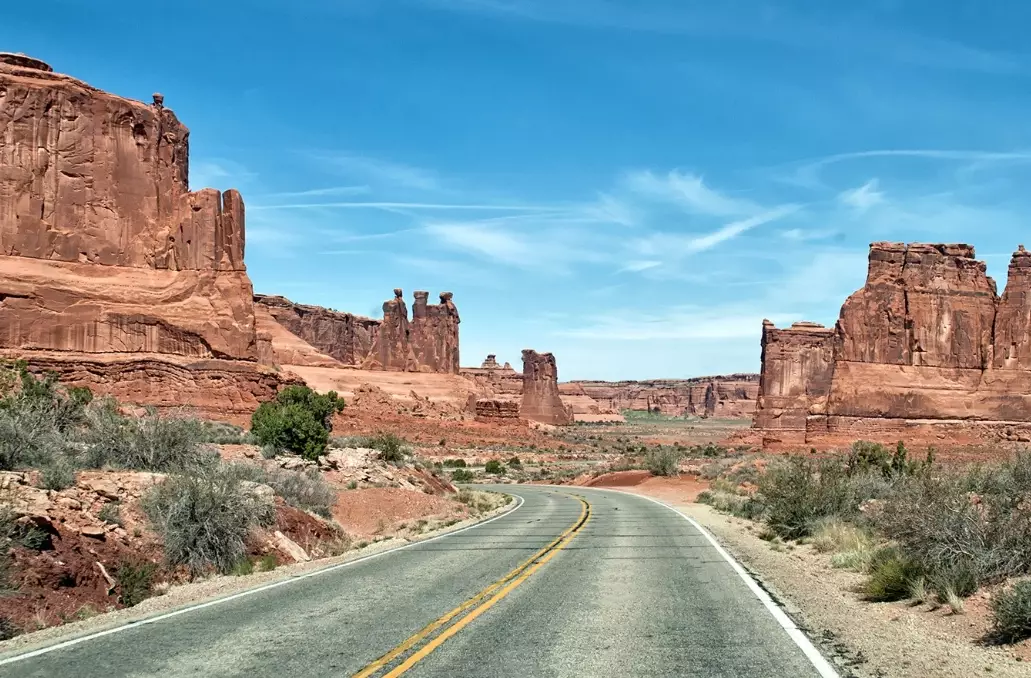
Your Road Trip Around America Questions Answered
What is the absolute best time of year for a coast-to-coast American road trip?
Aim for the shoulder seasons. September through October is prime. The summer crowds have left national parks, the Southwest heat is becoming manageable, and the fall colors in places like New England or the Rockies are stunning. May to June is a close second, though mountain passes in the Rockies may still have some snow restrictions. July and August mean extreme heat in the desert Southwest and overwhelming crowds everywhere.
How much money do I realistically need to budget per day for a road trip?
For a couple traveling with a mid-range style (mix of hotels/Airbnbs, eating one nice meal out per day, doing paid attractions), plan for $250 to $400 per day total. This breaks down to ~$150 for lodging, ~$80 for food, ~$40 for gas, and ~$30 for activities/incidentals. You can slash this to $150/day by camping more and cooking all your own meals, or balloon it to $600+ with luxury hotels and fine dining.
Is it safe to drive long distances alone in the USA?
Generally, yes, especially on major highways. The primary risk is fatigue, not crime. Share your itinerary with someone, check in regularly, and avoid driving exhausted. For solo travelers, especially women, I recommend booking accommodations ahead so you're not searching for a place late at night. Stick to well-lit, populated rest stops. Trust your gut—if a place feels off, keep driving.
Can I do a great American road trip without camping?
Absolutely. Camping adds flavor but isn't mandatory. The key is diversifying your lodging. Use a combination of budget hotel chains (Motel 6, La Quinta), independent motels in small towns (often cheaper and full of character), and vacation rentals for longer stops. Booking platforms like Booking.com often have good last-minute deals. The trip will cost more, but it's completely doable and comfortable.
What's one thing most people forget to pack that's crucial?
A small, separate bag for “car clothes.” You'll spend hours in the car. Having a dedicated bag with comfy sweatpants, loose t-shirts, and slip-on shoes that lives in the passenger footwell is a game-changer. It keeps your main luggage organized and lets you instantly get comfortable for a long drive. Also, a roll of quarters for old parking meters and a handful of laundry pods for the inevitable mid-trip wash.


Comments
Leave a Comment