You're thinking about the classic American adventure: a two-week road trip out west. The images flood your mind—endless highways, red rock arches, geysers shooting into a big sky. It's the trip of a lifetime, but planning it can feel overwhelming. Where do you even start? Most itineraries you find online are either too rushed or miss the hidden gems that make the journey special.
After a decade of guiding trips and exploring every corner out here, I've refined the perfect 2-week loop. This isn't just a list of stops; it's a strategic plan that maximizes scenery, minimizes crowds where possible, and builds in the flexibility you need. We'll start in a less conventional hub to save you time and sanity.
Your Road Trip Blueprint at a Glance
Your 2 Week Western Road Trip Itinerary: Day-by-Day Breakdown
Most guides tell you to start in Las Vegas or San Francisco. I'm going to suggest something different: fly into Salt Lake City (SLC). Why? It puts you within a 4.5-hour drive of Grand Teton National Park, letting you hit the mountain parks first and avoid the soul-crushing stretch of I-80 across Nevada at the start of your trip. You'll end in San Francisco, a major hub for easy flights home.
Days 1-3: The Majesty of the Tetons & Yellowstone
Day 1: Salt Lake City to Jackson Hole, WY (4.5 hrs drive). Pick up your rental car at SLC airport. Aim for an SUV or crossover—you'll want the clearance and space. Drive north on I-15, then take the stunning route through Idaho via US-26 and US-89 into Wyoming. Spend your first night in Jackson Hole. Walk around the town square, grab a bison burger at The Million Dollar Cowboy Bar (100 N Cache St, Jackson), and acclimate to the mountain air.
Day 2: Grand Teton National Park. It's a 10-minute drive from Jackson to the Moose Entrance. The $35 park pass is valid for 7 days and covers both Tetons and Yellowstone. Don't just drive through. Stop at Schwabacher Landing for that iconic reflection shot of the peaks. Hike the Jenny Lake Loop (easy, 7.5 miles) or take the boat shuttle across and hike up to Inspiration Point. Moose are common around Oxbow Bend in the early morning.
Day 3: Drive into Yellowstone & Lower Loop. Enter Yellowstone via the South Entrance. You're diving right into the geyser basins. Spend the day working your way north: West Thumb Geyser Basin, the predictable majesty of Old Faithful (check eruption times at the Old Faithful Visitor Center), and the kaleidoscopic Grand Prismatic Spring. Walk the boardwalk at Grand Prismatic for the classic view, but for the best photo, hike the short but steep Fairy Falls Trailhead to the overlook—most people miss this. Stay in West Yellowstone, MT, or Old Faithful Lodge if you booked far in advance.
Days 4-5: Yellowstone's Grand Loop & Wildlife
Day 4: Yellowstone's Upper Loop. This is wildlife day. Drive the loop north from Canyon Village. You'll see the dramatic Grand Canyon of the Yellowstone. Continue to the wildlife-rich Lamar Valley—bring binoculars. Dawn and dusk are prime times for spotting bison herds, elk, and if you're incredibly lucky, wolves. Mammoth Hot Springs with its terraced travertine formations is your northernmost point. Stay in Gardiner, MT, just outside the North Entrance.
Day 5: South to the Tetons & Salt Lake City. A long travel day. Drive back through Yellowstone, perhaps stopping at spots you missed. Exit via the South Entrance, drive through Grand Teton one last time, and head south to Salt Lake City. This leg is about 5-6 hours. Restock on supplies, do laundry, and get ready for the desert.
Days 6-8: The Red Rock Wonder of Utah
Day 6: Salt Lake City to Moab, UT (3.5 hrs). The landscape transforms. Head south on I-15, then east on US-6. Your base for two nights is Moab, the adventure capital. In the late afternoon, drive into Arches National Park (30 min from Moab, $30 per vehicle). Timed entry reservations from April to October are mandatory—book these months in advance on Recreation.gov. Catch the sunset at the Windows Section or Delicate Arch viewpoint.
Day 7: Arches & Canyonlands National Parks. Sunrise at Mesa Arch in Canyonlands Island in the Sky District (30 min from Moab, $30) is non-negotiable. The sun flames up under the arch. Return to Arches for a morning hike. The 3-mile roundtrip hike to Delicate Arch is moderate and gets hot—start early, bring 2 liters of water per person. Afternoon? Relax by the pool or drive the scenic 128 along the Colorado River.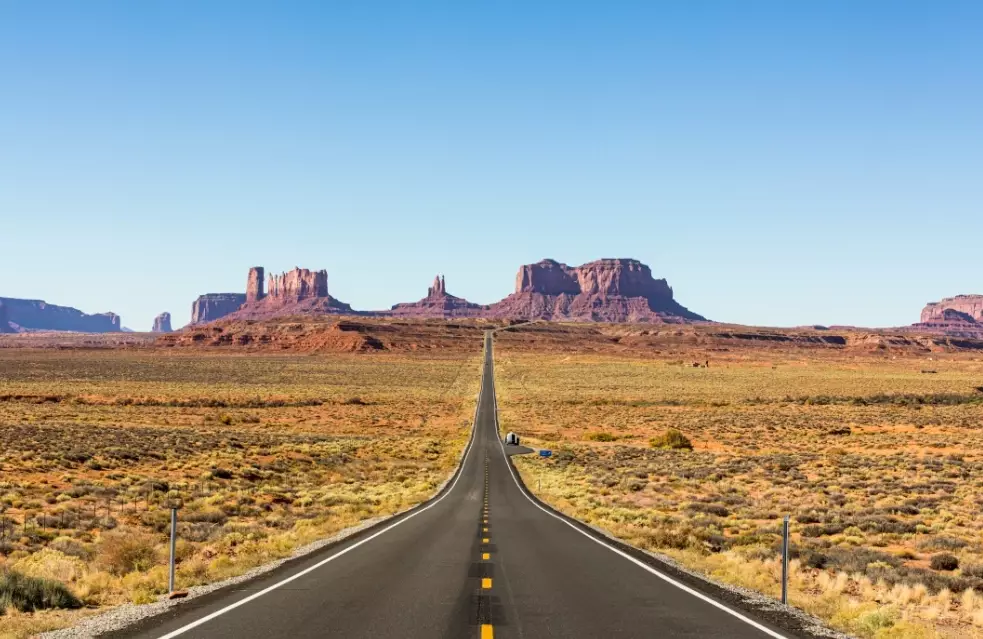
Days 9-11: Monument Valley & The Grand Canyon
Day 8: Moab to Monument Valley (4 hrs). A stunning drive through the Navajo Nation. The iconic view of the Mittens and Merrick Butte from the Monument Valley Navajo Tribal Park visitor center is free. To drive the 17-mile dirt loop road among the formations, it's $8 per person. It's rough, but most cars can manage if driven carefully. Stay at Goulding's Lodge or in Kayenta, AZ. The silence and scale here are humbling.
Day 9: Monument Valley to Grand Canyon South Rim (3.5 hrs). Enter Grand Canyon National Park ($35 per vehicle). Ditch the car at your lodging and use the free, efficient shuttle buses. Walk the Rim Trail from Mather Point towards the village. Sunset at Hopi Point is the classic spot. Stay in Tusayan just outside the park or at one of the historic lodges inside (book a year ahead for these).
Day 10: Grand Canyon Exploration. Get up for sunrise at Mather Point—it's worth the early alarm. Hike partway into the canyon. The South Kaibab Trail to Ooh Aah Point (1.8 miles roundtrip) is steep but offers the best views for a short hike. Never attempt to hike to the river and back in one day. The heat and vertical climb back out are dangerous. Spend your last evening soaking in the immense view.
Days 12-14: Route 66 & The Pacific Coast
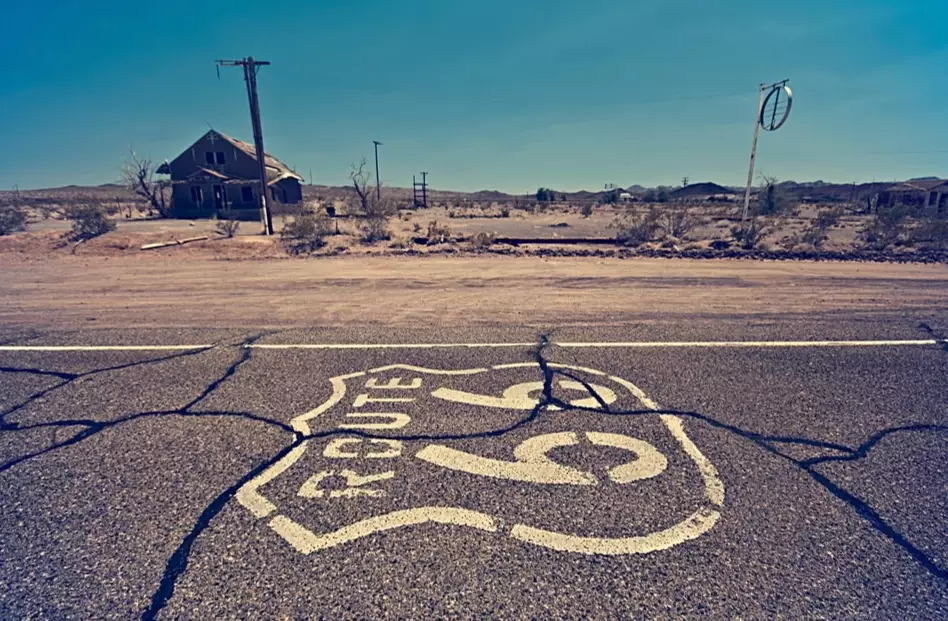
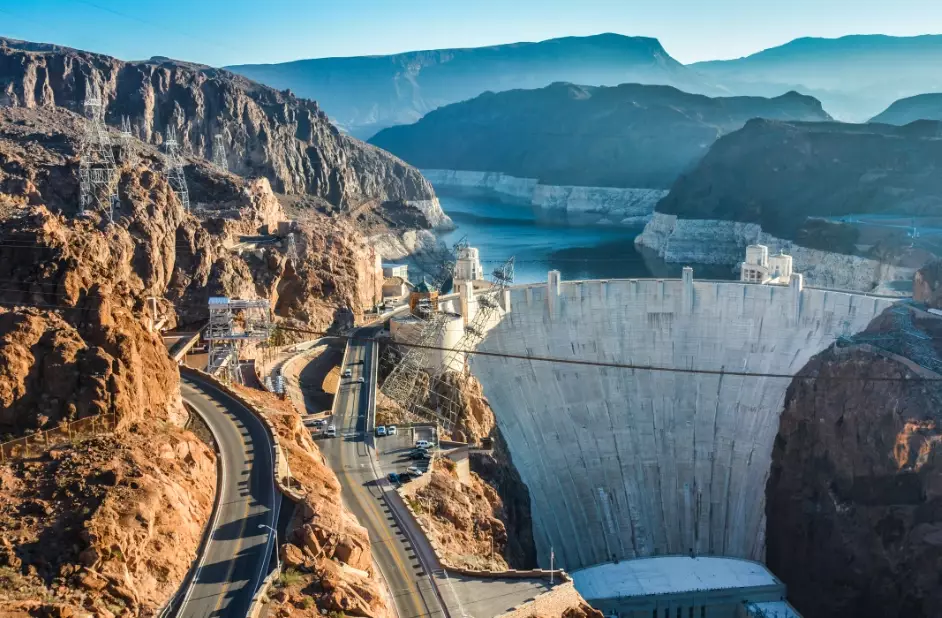
Day 11: Grand Canyon to Las Vegas (4.5 hrs) OR Sequoia Route. You have a choice. For a classic finale, drive to Las Vegas via Route 66 through Seligman and Kingman. Spend a night, see a show, and then drive to Death Valley or straight to LA/San Francisco.
My preferred, less-traveled route: Drive from the Grand Canyon to Bakersfield, CA (6.5 hrs). It's a haul, but it sets you up for something incredible.
Day 12: Sequoia & Kings Canyon National Parks. Drive into the Sierra Nevada to walk among giants in Sequoia National Park ($35). See the General Sherman Tree, the largest on Earth. The drive through the parks on Generals Highway is winding and spectacular. Stay in Fresno or Visalia.
Day 13: Yosemite National Park & to San Francisco. Enter Yosemite from the south via Highway 41 ($35, reservation may be required). Gaze at the granite icons: Tunnel View, El Capitan, Half Dome. Walk in the Valley. Then, drive west out of the park on the breathtaking Tioga Pass (if open, usually May-Oct) or via Highway 120 to reach the Bay Area. This drive to San Francisco is 3-4 hours.
Day 14: Depart from San Francisco (SFO). Return your rental car and fly home, filled with memories from mountains, deserts, and canyons.
How to Plan Your Western Road Trip: Budget, Booking & Pro Tips
Let's talk logistics. A trip like this for two people typically breaks down like this:
Car Rental: $800-$1200 for two weeks (book early, consider one-way fee SLC to SFO).
Fuel: Around $500-$700 for roughly 2,200 miles.
Lodging: This is your biggest variable. Budget motels average $120/night, mid-range hotels $180, park lodges $250+. Total: $1,700 - $2,500+.
Food: Mix of groceries and meals out: $80-$120/day for two.
Park Fees: $80 America the Beautiful Pass covers everything.
The Golden Rule: Book your accommodations 6-12 months in advance, especially for inside Yellowstone, Grand Canyon, and Yosemite Valley. These places sell out instantly.
What to Pack for a Western US Road Trip
Forget fancy clothes. Think layers and function.
- Footwear: Sturdy hiking shoes or boots and comfortable sandals for the car.
- Layers: A lightweight puffer jacket, fleece, moisture-wicking shirts. Temperatures can swing 40+ degrees in a day in the desert and mountains.
- Sun & Hydration: Wide-brimmed hat, polarized sunglasses, high-SPF sunscreen, and a large, reusable water bottle for each person. A cooler in the car is a game-changer.
- Tech: Phone charger, power bank, offline maps downloaded, a real paper map as backup.
- Comfort: Neck pillow for long drives, a small first-aid kit, binoculars.
Where to Stay: Lodging Options Along the Route
You need a mix of strategy and compromise.
Near National Parks: Staying inside the park (Yellowstone Lodge, Yosemite's Curry Village) is priceless for location but expensive and competitive. Towns just outside the gates (West Yellowstone, Springdale near Zion, Tusayan) offer more options and better last-minute availability.
City Stops: In Salt Lake City, look near the airport for convenience. In San Francisco, prices are high everywhere—consider an airport hotel for an early flight.
Don't underestimate clean, reliable chains like Hampton Inn or Holiday Inn Express in smaller towns. They often have free breakfast and pools.
Your Western Road Trip Questions Answered
 How can I avoid the crowds on a west coast road trip in peak summer?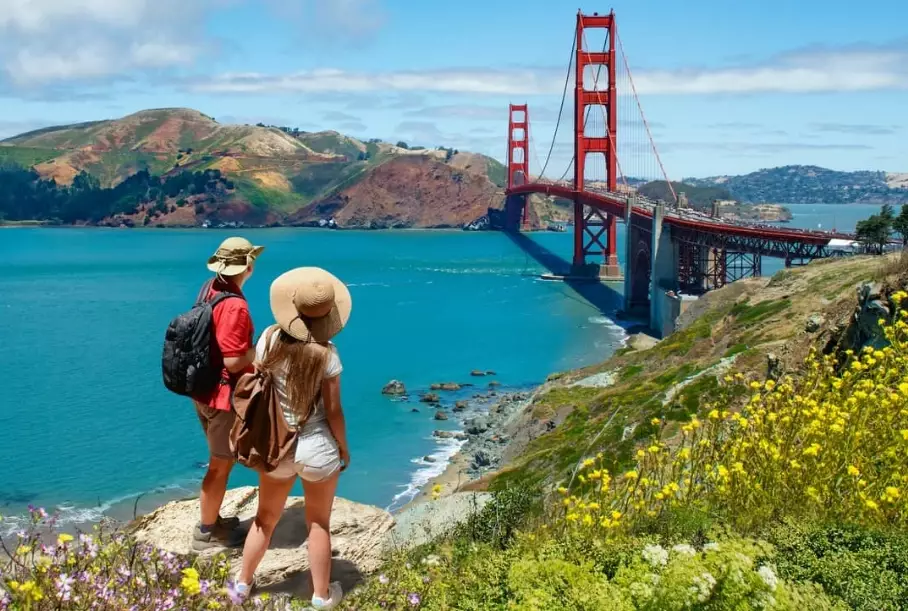




Comments
Leave a Comment