So you're planning a trip to the USA. That's exciting! Whether it's the bright lights of New York City, the sunny beaches of California, or the vast national parks, the country offers an incredible range of experiences. But let's be honest, the prep work can feel overwhelming. What do you actually need? What can you leave at home?
I've traveled across the USA multiple times, from solo road trips to family vacations. I've also made my fair share of mistakes—like the time I forgot a power adapter and spent my first day in San Francisco hunting for one instead of exploring. Or when I underestimated how cold it gets in the desert at night. Based on those lessons, I've put together this no-nonsense checklist to ensure your trip is smooth from start to finish.
What's Inside This Guide?
The Non-Negotiables: Documents & Money
Get this part wrong, and you might not even get on the plane. Double-check everything here.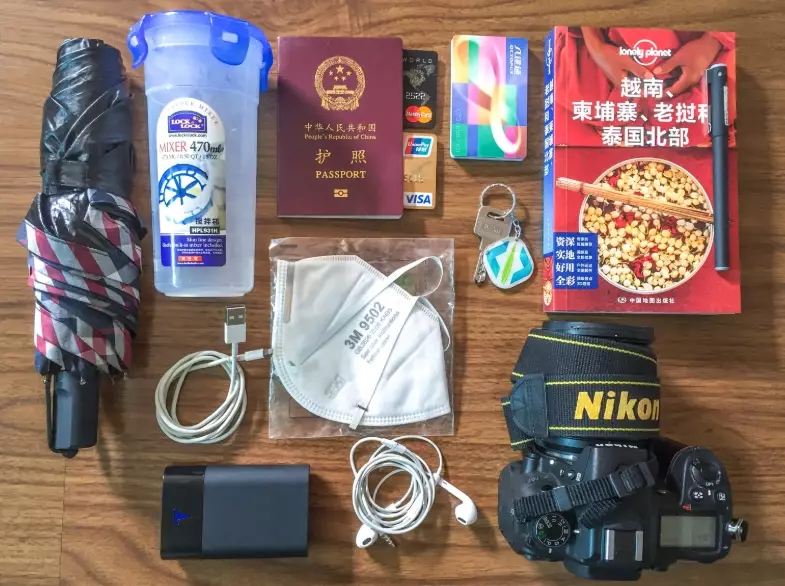
Passport, ESTA, and Visas
Your passport must be valid for at least six months beyond your planned departure date from the USA. It's a common rule that trips people up.
If you're from a country under the Visa Waiver Program (like the UK, Australia, Japan, and most of Europe), you need an ESTA authorization. Apply online through the official U.S. Customs and Border Protection website. It costs $21 and is usually approved quickly, but do it at least 72 hours before you fly. I'd recommend applying as soon as you book your flights. An ESTA is valid for two years or until your passport expires.
Not eligible for the Visa Waiver Program? You'll need to apply for a visitor visa (B-1/B-2) at a U.S. embassy or consulate. Start this process months in advance, as interview wait times can be long.
Proof of Ties to Home
This is a tip many first-timers miss. U.S. border officers want to be sure you'll leave. It helps to carry proof of your life back home: a letter from your employer stating your return date, evidence of enrollment in school, or documents showing you own property. You likely won't be asked, but having it eases anxiety if you are.
Money Matters: Cards and Cash
The USA runs on credit and debit cards. Contactless payment is everywhere. But don't rely solely on plastic.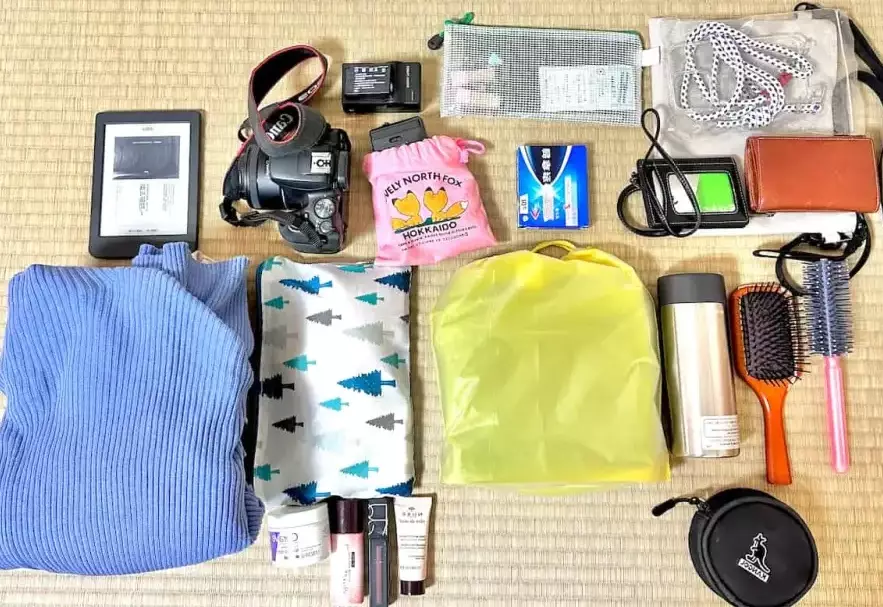
- Notify Your Bank: Tell your bank and credit card companies your travel dates and destinations. If they see foreign transactions without warning, they might freeze your card for suspected fraud.
- Have a Backup Card: Carry at least two cards from different networks (e.g., one Visa, one Mastercard). Keep them in separate places.
- Cash is Still King... Sometimes: You'll need cash for tips (porters, tour guides, hotel housekeeping), small vendors, farmers' markets, and some taxis. I usually withdraw $200-$300 in small bills ($1, $5, $10) from an ATM upon arrival. Avoid currency exchange counters at airports—their rates are terrible.
Staying Healthy & Safe
Travel Insurance is NOT Optional
I cannot stress this enough. A simple visit to an urgent care clinic for a sprained ankle can cost $500. An emergency room visit can run into thousands. A comprehensive travel insurance policy that includes medical coverage and medical evacuation is the most important thing in your suitcase. Check if it also covers trip cancellation, interruption, and lost baggage. It's a small price for immense peace of mind.
Vaccinations and Medications
No specific vaccinations are required for entry, but the CDC recommends being up-to-date on routine shots like MMR and Tdap. If you're bringing prescription medication, keep it in its original labeled container. Carry a copy of the prescription or a letter from your doctor, especially for controlled substances or injectable medicines. This avoids issues at customs.
Pack a basic travel health kit: pain relievers (like ibuprofen or acetaminophen), anti-diarrheal medication, antihistamines, bandaids, and any personal prescriptions. You can buy this stuff there, but it's easier to have it on hand when you need it.
Packing Smart, Not Heavy
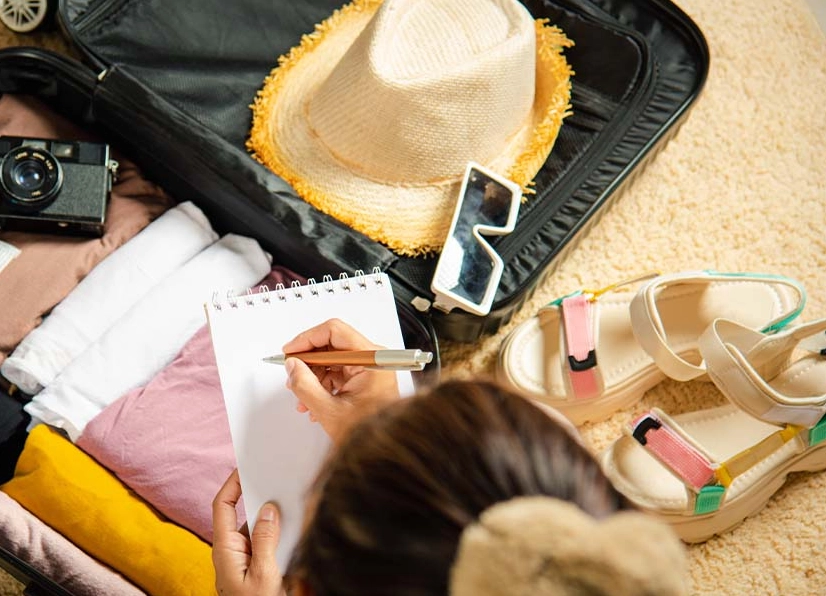
USA weather is wildly diverse. Research the climate for your specific destinations and times of year. Layers are your best friend.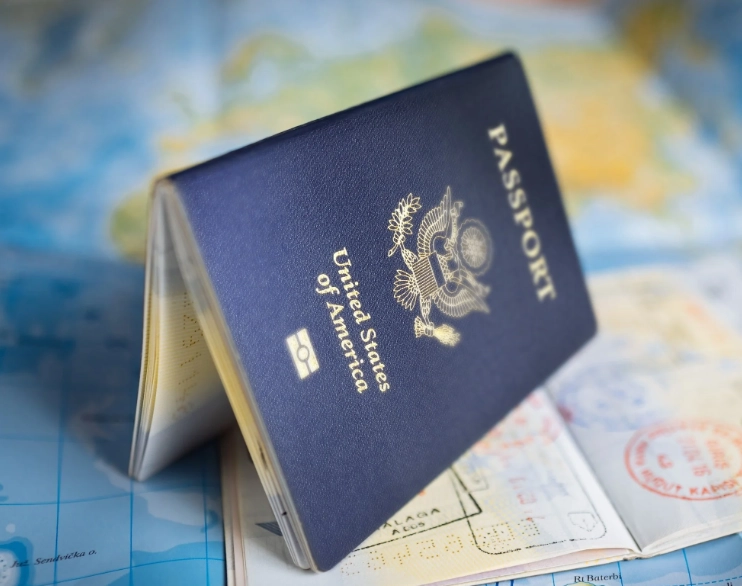
Clothing & Footwear Essentials
- Comfortable Walking Shoes: You will walk more than you think. Break them in before the trip.
- Versatile Layers: A light jacket or sweater, even in summer. Air conditioning is often set to "arctic."
- Weather-Specific Gear: A compact rain jacket, a warm hat/gloves for winter or mountain regions, a wide-brimmed hat for sun protection.
- Adaptable Outfits: Mix-and-match items that can be dressed up or down. Some nicer restaurants have dress codes.
The Little Things That Make a Big Difference
- Reusable Water Bottle: Tap water is generally safe to drink. Fill up for free and save money (and the planet).
- Daypack: For carrying your daily essentials, water, and souvenirs.
- Portable Power Bank: You'll use your phone for maps, photos, and tickets all day. Don't get caught with a dead battery.
- Travel-Sized Laundry Detergent: Allows you to pack less and do a quick sink wash.
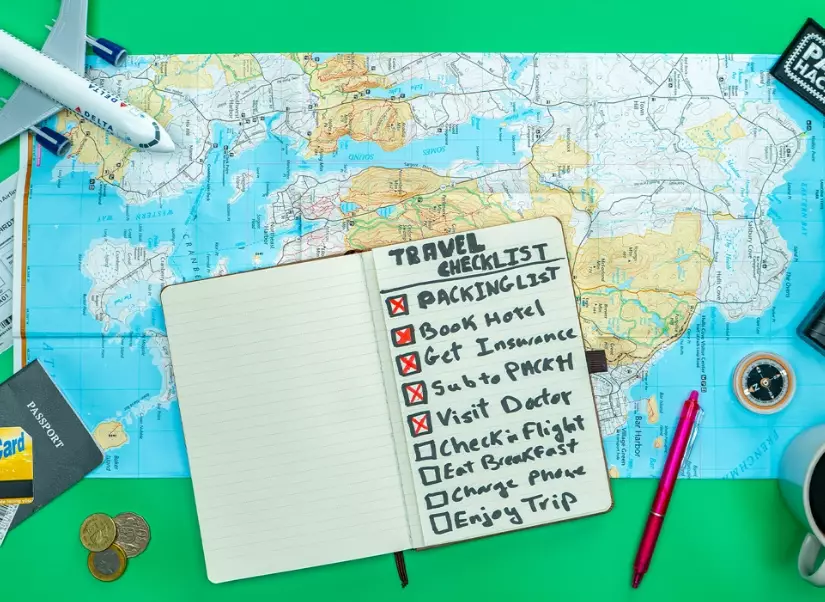
Tech & Staying Connected
Power and Plugs
The USA uses Type A and Type B plugs, with a standard voltage of 120V. You'll need a power adapter if your devices use different plugs. A universal travel adapter is a smart investment. Check if your electronics (like laptops and phone chargers) are dual voltage (input: 100-240V). If they are, you only need the adapter. If not, you'll also need a voltage converter, which is bulkier.
Phone and Internet
Options for staying online:
- International Roaming: Check with your home provider. It can be convenient but often very expensive.
- Local SIM Card: Buy one at the airport or a mobile store (T-Mobile, AT&T, Verizon). You'll need an unlocked phone. This is often the best value for data-heavy use.
- Pocket Wi-Fi (MiFi): Rent a portable hotspot. Great for families or groups needing multiple connections.
- Wi-Fi Only: Rely on free Wi-Fi at hotels, cafes, and restaurants. Use a VPN on public networks for security.
Download offline maps (Google Maps lets you download areas), translation apps, and your airline's app before you leave home.
Final Pre-Departure Tips
A few days before you go:
- Make Copies: Photocopy or take pictures of your passport, visa/ESTA, driver's license, insurance policy, and credit cards. Store them separately from the originals and email a copy to yourself.
- Check-In Online: Most airlines allow online check-in 24 hours before departure. It saves time at the airport.
- Know Your Airport: Which terminal does your airline use? How will you get from the airport to your accommodation? Have a Plan A and a rough Plan B.
- Download Entertainment: Load up your tablet or e-reader with books, movies, and podcasts for the flight.
Your Questions Answered
There you have it. A thorough, practical checklist built from real travel experience. The key is preparation—spend time on these essentials now, and you can relax and enjoy every moment of your American adventure. Have an amazing trip!






Comments
Leave a Comment