Let's cut to the chase. If you're looking for a single, perfect answer, here it is: September. The sweet spot where summer's warmth lingers, the insane crowds of July and August have packed up, and the landscapes ignite with fall color. But your "best time" depends entirely on what you want. Chasing wildflowers? Spotting grizzlies? Finding solitude on a budget? Each season in the Northern Rockies tells a different story.
I've spent over a decade guiding trips and traveling personally through these states. The biggest mistake I see? People defaulting to a summer trip because "everything is open," only to spend half their vacation in traffic jams in Yellowstone National Park. Timing is everything here.
Your Quick Trip Planner
Season-by-Season Breakdown: Pros, Cons & What to Expect
Forget just "summer" and "winter." The transitions—spring and fall—are where the magic often happens. Here’s the real deal on each season.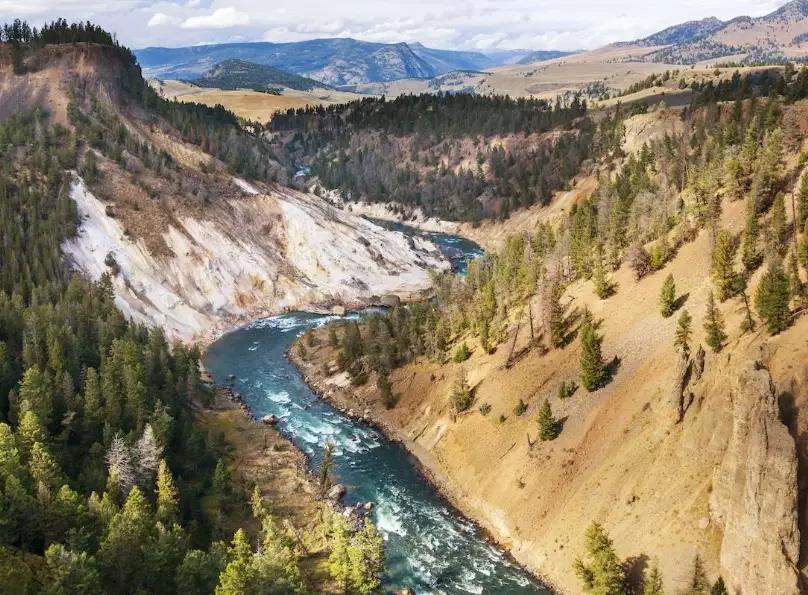
| Season | Best For | Biggest Drawbacks | Lodging Price Range* |
|---|---|---|---|
| Spring (May - Mid-June) | Wildlife babies (bear cubs, elk calves), roaring waterfalls, lower crowds, fly fishing. | Unpredictable weather, snow at high elevations, many trails & roads still closed. | Medium |
| Summer (Late June - Aug) | Guaranteed access to all park roads (Going-to-the-Sun Rd), all hiking trails open, warmest weather, long days. | Extreme crowds, traffic, parking nightmares, highest prices, afternoon thunderstorms. | High to Very High |
| Fall (Sept - Oct) | Fall foliage, wildlife rut (elk bugling), fewer crowds, pleasant temps, lower prices. | Shorter days, rapidly changing weather, early snow possible, services wind down. | Medium |
| Winter (Nov - April) | Snow sports (skiing, snowshoeing), surreal frozen landscapes (Old Faithful in snow!), absolute solitude. | Extreme cold, severely limited road access, many lodges/restaurants closed. | Low (except ski resorts) |
*Price Range relative to peak summer. Based on gateway town hotels.
The Unbeatable Sweet Spot: Why Late Summer and Early Fall Win
I plan my own trips for the last two weeks of September. Here’s why.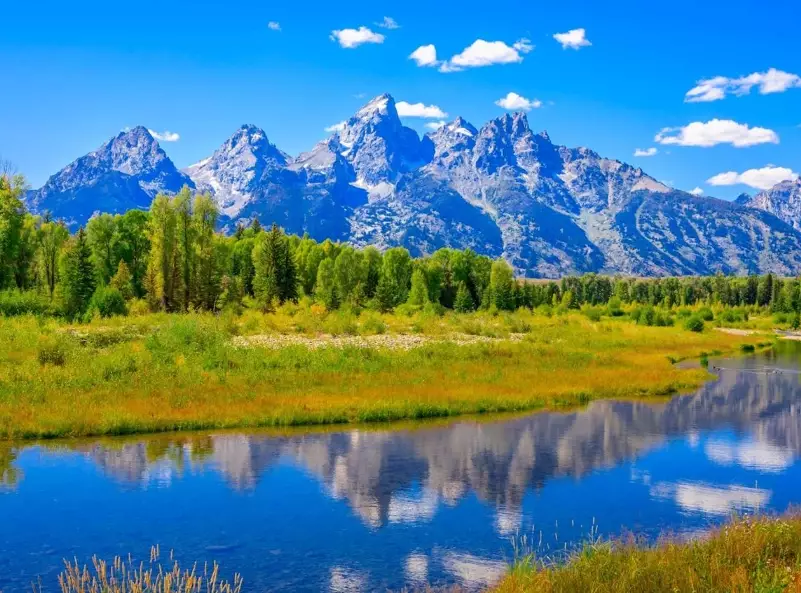
Crowds thin dramatically after Labor Day. You can actually find parking at the Glacier National Park Logan Pass visitor center after 10 AM. In Yellowstone, you might have a viewpoint of Grand Prismatic Spring mostly to yourself. The frantic energy of summer evaporates.
The wildlife show is unbeatable. In Grand Teton National Park, the elk rut is in full swing. The sound of a bull elk bugling at dawn near the Gros Ventre River is something you feel in your chest. Bears are hyperphagic, eating constantly, making them easier to spot (from a safe distance, always).
And the light. The sun sits lower, casting a golden hue over the mountains. Cottonwood and aspen trees turn brilliant yellow. It’s a photographer’s dream.
Local's Tip: Many seasonal restaurants and tour operators stay open until early October. You get the full service experience of summer without the summer masses. But always call ahead—hours can shift quickly based on weather.
Monthly Guide: From Snowmelt to First Frost
Let’s get granular. A difference of two weeks can change everything.
May & Early June: The Thaw
This is a gamble. In early May, Yellowstone’s interior roads start opening (check the National Park Service opening dates). Lower valleys are green, but snow lingers above 7,000 feet. Going-to-the-Sun Road in Glacier rarely opens before mid-June. It’s muddy, buggy, and glorious if you hate crowds. Wildlife viewing is prime as animals descend to lower meadows.
July & August: The Peak
All systems are go. All roads are open. All trails are hikeable. And everyone knows it. Accommodation in Jackson Hole or near West Yellowstone requires booking 6-12 months out. Inside the parks, lodges like the Old Faithful Inn (Old Faithful, Yellowstone) or Many Glacier Hotel (Glacier) book up a year ahead. Your strategy? Stay outside the parks in towns like Gardiner, MT or Dubois, WY for better availability. Enter parks at dawn.
September: The Golden Month
The crowd exodus begins. Daytime temps are perfect for hiking (60s-70s F). Nights get crisp. The first week often feels like summer, the last week like fall. This is your window. I once had Lamar Valley in Yellowstone virtually to myself on a September morning, watching a wolf pack for an hour with only two other cars around.
October & Beyond: The Quiet
By mid-October, a switch flips. Snow closes high passes. Most park services shut down. What remains is stark beauty and silence. It’s for the hardy, self-sufficient traveler. You’ll need to be flexible and prepared for winter driving conditions.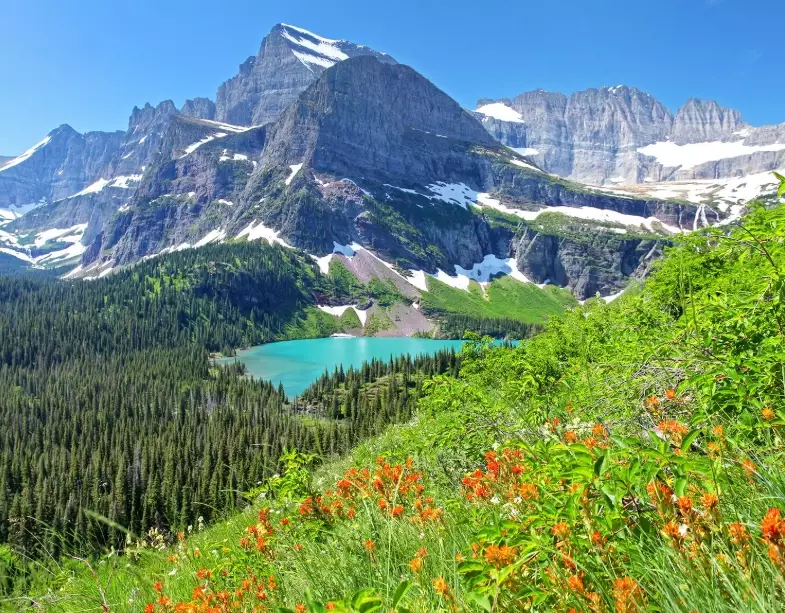
Best Time for Specific Activities
Your priorities should dictate your dates.
For Hiking High-Alpine Trails: Late July through mid-September. This is when snow finally melts off passes in the Beartooths or the Tetons. Before that, you’re dealing with dangerous snowfields and runoff.
For Wildlife Photography: Two peaks. May-June for newborns and lush backdrops. September-October for the rut, fall colors, and animals in their prime winter coats. Dawn and dusk are non-negotiable.
For a Scenic Drive with Minimal Stress: September. Driving the Beartooth Highway or Going-to-the-Sun Road is an experience, not a traffic slog. In summer, the Going-to-the-Sun Road often requires a vehicle reservation ticket.
For Fishing: Runoff muddies rivers in May/June. July through October offers the clearest water and best dry-fly action. Check state regulations for specific seasons.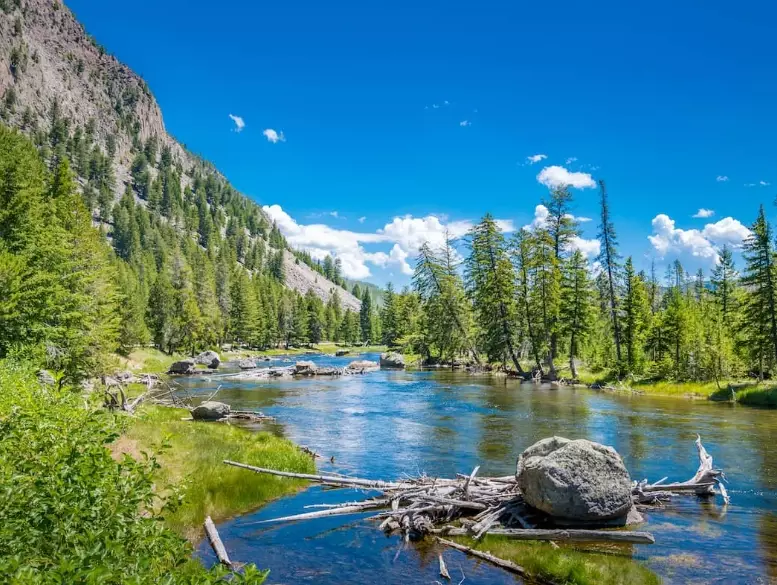
Practical Tips & Booking Strategies
Knowing when to go is half the battle. Here’s how to make it work.
Booking Lodging: For summer park lodges, book exactly 12 months in advance when reservations open. For September, 6-9 months is safe. For gateway towns, 4-6 months is usually fine. Consider a mix: a few nights in-park for convenience, a few outside for value.
Getting Around: Rent a standard SUV. You don’t need serious 4x4 for main roads, but the clearance helps on gravel roads to trailheads like those in the Bighorn Mountains. In winter, all-wheel drive and winter tires are mandatory.
What to Pack (The Often-Forgotten Items): Layers, always. A down jacket even in July for high-elevation nights. Binoculars for wildlife. A physical map (cell service is a myth in most parks). A reusable water bottle and a tire repair kit.
A Sample 7-Day Late Summer Itinerary
This is a loop I’ve done multiple times, optimized for September.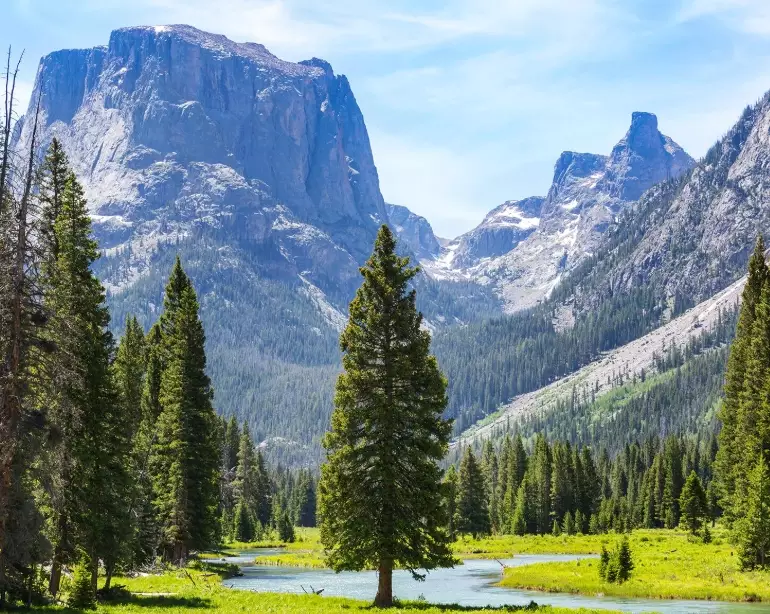
Day 1-2: Bozeman to Yellowstone. Fly into Bozeman (BZN). Drive south through Paradise Valley to the North Entrance at Gardiner. Spend two days exploring the northern range (Lamar Valley, Mammoth Hot Springs). Stay in Gardiner or Cooke City.
Day 3-4: Yellowstone Geyser Basins. Drive through the park to the Old Faithful area. Explore Upper and Lower Geyser Basins. Hike the Fairy Falls trail for the Grand Prismatic overlook. Stay at Old Faithful Inn or in West Yellowstone.
Day 5: Grand Teton National Park. Drive south through Yellowstone, exit via the South Entrance. The Tetons explode into view. Spend the afternoon at Jenny Lake, take the boat across, hike to Inspiration Point. Stay in Jackson.
Day 6: Jackson Hole & Departure. Morning wildlife drive in the National Elk Refuge (if early enough in fall) or a scenic float trip on the Snake River. Fly out of Jackson (JAC) or drive back to Bozeman (5 hours).
This hits the highlights with realistic driving times and leverages less-crowded entrances.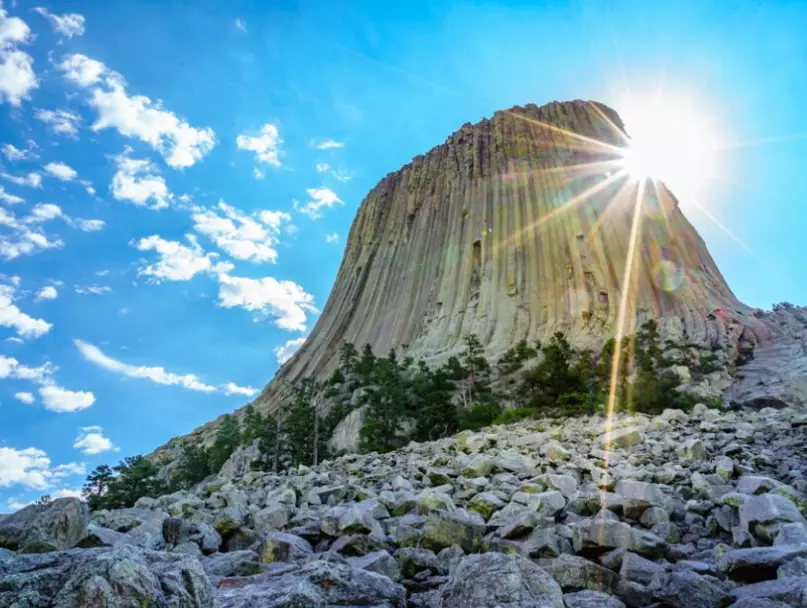
Your Questions Answered
The truth is, there's no bad time—only times that are better suited for what you want. Want guaranteed ease and full access? Brave the summer crowds. Want drama, solitude, and lower prices? Embrace the shoulder seasons. Want an otherworldly, silent adventure? Bundle up for winter.
For most people seeking the classic postcard experience with half the hassle, target that September window. Book your key lodging early, pack your layers, and get ready for the mountains without the madness.


Comments
Leave a Comment