Let's cut to the chase. You're searching for the best month to travel to the USA, hoping for a simple answer like "June" or "October." I'm going to be straight with you: that perfect, one-size-fits-all month doesn't exist. The United States is a continent-sized country with climates ranging from Arctic to tropical. The "best" time is a personal equation involving weather, crowds, your budget, and what you actually want to do.
I've planned trips across the States for over a decade, and the biggest mistake I see is someone booking a California coastal trip for July expecting non-stop beach weather, only to find San Francisco shrouded in fog. Or families planning a budget-friendly Grand Canyon trip in June, shocked by the summer premium prices and crowds.
This guide won't give you a single month. Instead, it'll give you the map to find your own.
Your Quick Guide to This Page
How to Choose Your Ideal Travel Month
Think about these four factors before you even look at a calendar.
Weather & Region: This is the big one. Florida in July is a steam bath. Arizona in July is a dry oven. Seattle in July is often perfect. You have to pair the month with the region. Generally, the sweet spot for most of the country is late spring (May) and early fall (September-October)—the so-called "shoulder seasons."
Crowds & Prices: They're directly linked. School schedules dictate American travel. Peak season is roughly Memorial Day (late May) through Labor Day (early September), plus holidays and spring break. More people mean higher prices for flights, hotels (I've seen motel rates double near national parks in summer), and rental cars.
Your Budget: If saving money is priority one, target the true off-season: January through early March (excluding holiday weeks). Flights from Europe and Asia are often cheapest then. Shoulder seasons offer the best value balance—decent weather, lower prices than peak, and fewer crowds.
What You Want to Experience: This overrides everything. Want to see New England's fall foliage? You're going in October. Aiming for Mardi Gras in New Orleans? That's February or March. Dreaming of a quiet, snowy cabin in Montana? That's deep winter.
A Quick Season Snapshot: Here’s a blunt overview of what each general season offers across most of the USA.
| Season | Typical Months | The Vibe | Watch Out For |
|---|---|---|---|
| Peak Summer | Jun - Aug | Everything is open, long days, festivals. | High prices, big crowds, heatwaves in many areas. |
| Shoulder (Spring/Fall) | Apr-May, Sep-Oct | Best balance of weather, price, and crowds. | Unpredictable spring rain; fall can book up fast for foliage. |
| Off-Peak Winter | Nov-Mar (excl. holidays) | Lowest prices, no crowds at major sights. | Short days, cold/snow shuts down some regions/attractions. |
| Holiday Periods | Late Dec, Spring Break | Festive atmosphere, special events. | Maximum prices and crowds, limited availability. |
Monthly Breakdown & Key Events
Let's get specific. Here’s what you can realistically expect each month, region by region.
January
The Deal: Post-holiday lull. This is one of the cheapest months to fly and travel domestically. It's all about snow sports, desert escapes, or city culture without lines.
Where to Go: Ski resorts in Colorado, Utah, Lake Tahoe. The Southwest (Arizona, Nevada) for mild desert hiking. New Orleans for milder winter weather and culture. Museums in NYC and DC are blissfully quiet.
Key Event: Sundance Film Festival (Park City, UT, late January). Tickets are tough but the atmosphere is electric.
Tip: The first week is expensive due to New Year's. Prices plummet after January 6th or so.
February
The Deal: Similar to January, but with a few spikes. Great for skiing, escaping to the desert, or hitting Florida before its spring break peak.
Where to Go: All ski destinations. The Florida Keys are pleasant. Death Valley is prime. Texas Hill Country if you want a head start on wildflowers.
Key Event: Mardi Gras (New Orleans, LA, date varies Feb/Mar). Book a year in advance. For a tamer taste, go the week before.
Tip: Presidents' Day weekend (third Monday) is a major travel weekend—avoid it for lower prices.
March
The Deal: A month of two halves. Early March is still winter-value. Then spring break chaos hits from mid-month, flooding Florida, Mexico-border towns, and ski resorts with students.
Where to Go: Early March: Great for last-minute ski deals. Late March: California coast starts to shine, Washington D.C.'s cherry blossoms peak (late March/early April).
Key Event: South by Southwest (SXSW) (Austin, TX, mid-March). Hotels triple in price. It's insane and amazing.
Tip: If you're not a spring breaker, carefully check university calendars before booking anywhere warm in late March.
April
The Deal: True spring in many areas, but still unpredictable. Crowds start building. Easter can fall here, causing another price spike.
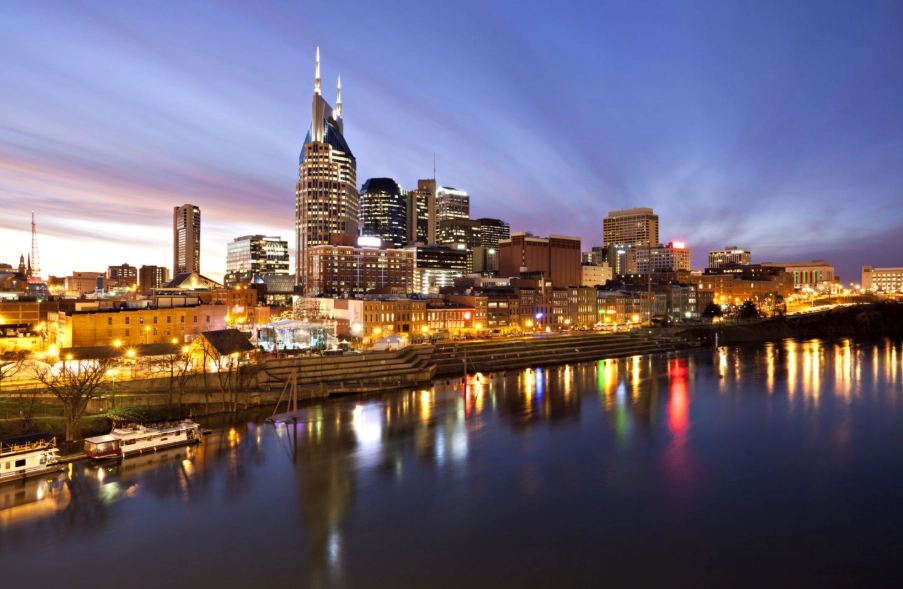
Where to Go: The South is lovely (Charleston, Savannah, Nashville). The Southwest is hot but manageable before the scorching summer. The Pacific Northwest's gardens are in bloom.
Key Event: Coachella Valley Music Festival (Indio, CA, two weekends in April). The influencer epicenter. Nearby Palm Springs is booked solid.
Tip: New England and the Rockies can still have significant snow. Don't assume it's warm everywhere.
May
The Deal: One of the best months overall. Shoulder season sweet spot. Weather is warming, summer crowds aren't fully there, and prices are reasonable before the Memorial Day weekend spike.
Where to Go: Almost anywhere. California is perfect. The national parks start getting busy but are manageable. The Great Lakes region awakens. The South is warm but not yet oppressive.
Key Event: Kentucky Derby (Louisville, KY, first Saturday). A spectacle. Book everything far ahead.
Tip: Memorial Day weekend (last Monday) is the unofficial start of summer. Prices jump, and traffic is heavy. Travel just before or after.
June
The Deal: Summer kicks into high gear. Schools let out, families hit the road. Long days, mostly great weather, but you pay for it.
Where to Go: The Pacific Northwest (Seattle, Portland, Oregon Coast) is at its best. Alaska cruise season begins. The Rocky Mountains are ideal for hiking (though afternoon thunderstorms are common).
Key Event: Summer Solstice celebrations everywhere, longest day of the year.
Tip: Book all national park lodging and major tours months in advance. Seriously, they sell out.
July
The Deal: Peak of peak season. Maximum crowds, maximum prices, maximum heat in the interior. It's all about Independence Day (July 4th) and summer vacations.
Where to Go: New England for classic small-town charm. The Upper Midwest (Michigan, Wisconsin, Minnesota) for lakes. The West Coast for cooler temps (except inland areas).
Key Event: Fourth of July nationwide. NYC has Macy's fireworks, Boston has the Pops, small towns have parades. It's a great time to experience Americana, but expect packed hotels.
Tip: Avoid Las Vegas and the desert Southwest unless you love extreme heat (110°F/43°C+).
August
The Deal: Similar to July, but with a tired, hot edge. Humidity in the East and South can be brutal. Many Europeans vacation, adding to crowds.
Where to Go: Mountain destinations for relief. The Oregon and Northern California coasts. Hawaii (though it's also busy). Start of the shoulder season in some places by late August.
Key Event: State Fairs begin across the Midwest and West. The Minnesota State Fair (late Aug-early Sep) is a legendary eat-a-thon.
Tip: This is the month I most often advise clients to reconsider unless they have a specific, weather-appropriate destination in mind.
September
The Deal: The other contender for best overall month. Shoulder season returns after Labor Day. Kids are back in school, crowds thin, prices drop, but weather remains excellent in most places.
Where to Go: Prime time for the West Coast, the Rockies, and New England (early September before foliage). Wine harvest begins in Napa and Sonoma.
Key Event: Labor Day Weekend (first Monday) is the last summer hurrah—expensive and busy. The Tuesday after is like a switch flips.
Tip: Hurricane season peaks in the Atlantic/Caribbean. This can affect Florida and the Southeast, though major direct hits are statistically rare. Have travel insurance.
October
The Deal: Possibly the most beautiful month, but also one of the most booked. Fall foliage drives massive tourism in the Northeast, Midwest, and mountains. Warm, dry weather in the West.
Where to Go: New England, Upstate New York, the Blue Ridge Parkway for foliage. The Southwest for perfect hiking weather. California is still great.
Key Event: Albuquerque International Balloon Fiesta (NM, early October). Hundreds of hot air balloons fill the sky. Book accommodations a year ahead.
Tip: Foliage weekends in New England require booking a year in advance for popular inns. If you're flexible, aim for weekdays.
November
The Deal: A transitional, underrated month. Early November can still have fall color in some areas. After Veterans Day (Nov 11), the pre-Thanksgiving lull is a secret sweet spot for low prices and no crowds.
Where to Go: The Southwest is ideal. Cities like NYC, Chicago, and San Francisco are lively but less packed. Florida becomes more appealing as the North cools.
Key Event: Thanksgiving (fourth Thursday). A massive family travel holiday. Airports are chaotic the Wednesday before and Sunday after. The actual holiday is quiet, with most things closed.
Tip: Travel the week before Thanksgiving for some of the best deals and quietest sights of the entire fall.
December
The Deal: Two distinct phases: a quiet first two weeks, then a holiday frenzy from about Dec 20 through New Year's. It's all about Christmas cheer or warm-weather escapes.
Where to Go: NYC for the holiday windows and Rockefeller tree. Ski resorts. Warm escapes in Hawaii, Southern California, Florida. The Southwest for mild desert days.
Key Event: Christmas & New Year's Eve. Expect premium prices and minimum-night stays at all desirable destinations.
Tip: If you want a festive city experience, go in early December. You'll get the decorations without the peak crowds and prices.
The Best Month for Your Type of Trip
Still unsure? Match your travel style to these recommendations.
For National Park Lovers: May, September, early October. You avoid the extreme summer heat in parks like Zion, Grand Canyon, and Arches, and the insane July/August crowds everywhere. A ranger in Yellowstone once told me the Tuesday after Labor Day is their favorite day—empty trails, active wildlife.
For a Classic American Road Trip: Late May or early September. You get the classic summer road trip vibe with better weather windows than deep winter and fewer RVs on the road than July. The Pacific Coast Highway is less foggy in early fall.
For City Slickers (NYC, Chicago, LA, etc.): April-May or September-October. Pleasant walking weather is key. Avoid the humid, crowded summer and the cold, dark winter unless you're chasing holiday magic.
For Budget Travelers: January, February, or November (excluding holidays). This is when flight deals from abroad are most common. Domestic travel is cheap. You'll have museums and restaurants to yourself. Just pack for winter.
For Beach Bums: It depends. Florida & Gulf Coast: April-May or October. Avoid summer humidity and storms. Southern California: Pretty much year-round, but water is warmest Aug-Oct. Hawaii: April-May, September-October for best weather and fewer crowds.
Your USA Travel Month Questions Answered
So, what's the best month to travel to the USA? You tell me. Are you chasing fall color, desert solitude, a festive city break, or a budget-friendly adventure? Match that goal to the months outlined here, and you'll have your answer. The perfect time isn't on a calendar; it's in your plan.




Comments
Leave a Comment