So you've got two weeks to explore the USA. That's enough time to see some incredible things, but you need a solid plan. A classic mistake is trying to cram in five cities and three national parks – you'll spend half your trip in airports or behind the wheel. The smarter approach? Pick a clear route and dive deep. This USA itinerary for 2 weeks focuses on a legendary journey from the Pacific to the Atlantic, blending iconic cities with raw natural beauty. We'll map out each day, give you specific tips on where to eat and stay, and tackle the questions you're actually asking.
Your Journey at a Glance
The Core Logic Behind This 2-Week USA Itinerary
Why this route? The USA is massive. Flying from Los Angeles to New York covers about 2,500 miles – that's like going from London to Baghdad. Trying to add Miami and Seattle in two weeks is a recipe for exhaustion.
This plan follows a simple, effective path: West Coast city buzz → Southwest desert wonders → Southern charm → East Coast finale. You get variety without burnout. We start in Los Angeles (3 nights), fly to Las Vegas as a gateway (1 night), drive to the Grand Canyon (1 night), then fly from Phoenix to New Orleans (3 nights). Finally, we take a train or flight up to Washington D.C. (2 nights) and finish in New York City (3 nights). This uses a mix of one-way flights and a scenic drive segment, which is often cheaper and more logical than a loop.
Your 14-Day USA Trip: A Day-by-Day Breakdown
Days 1-3: Los Angeles, California – The Hollywood Hustle
Fly into Los Angeles International (LAX). Don't try to do too much on arrival day. Fight jet lag, pick up your rental car (you'll need it here), and settle in.
Day 1: Hollywood basics. Walk the Hollywood Walk of Fame (free, always open, Hollywood Blvd & Highland Ave). It's touristy and a bit grimy, honestly, but you have to see it. The TCL Chinese Theatre (with the handprints) is right there. Skip the expensive studio tours today if you're tired.
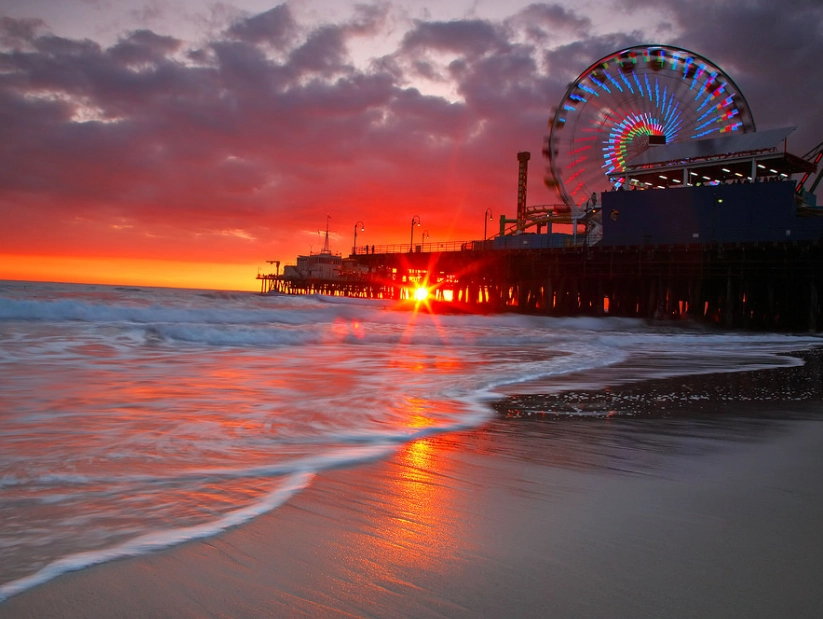
Day 2: Choose your adventure. Option A: Universal Studios Hollywood (tickets from $109, opens 9am, 100 Universal City Plaza). Book online in advance. Option B: A more relaxed day in Santa Monica (pier, beach, Third Street Promenade) followed by sunset views from the Griffith Observatory (free, parking $10/hr, 2800 E Observatory Rd, closed Mondays). The view of the Hollywood Sign is perfect here.
Day 3: Morning at the Getty Center (free, requires timed ticket, parking $20, 1200 Getty Center Dr, closed Mondays). Stunning architecture and gardens. Afternoon, drive along the coast to Venice Beach, walk the boardwalk, and see the famous skate park.
Food Stop: For a classic LA experience, grab a pastrami sandwich at Langer's Deli in Westlake (704 S Alvarado St). It's not in a fancy area, but it's widely considered the best. About $20 per sandwich.
Days 4-5: Las Vegas & The Grand Canyon – Desert Lights and Big Ditch
Day 4: Morning flight from LAX to Las Vegas (LAS), about 1 hour. Pick up a rental car at the airport. Vegas isn't just about gambling. Walk the Strip, see the Bellagio Fountains (free shows every 30 mins after 8pm), and the Mirage Volcano. Stay on the Strip for convenience. At night, see a show – Cirque du Soleil's "O" at Bellagio is iconic (tickets $150+).
Day 5: Road Trip Day. This is a big one. Drive from Vegas to the Grand Canyon South Rim (about 4.5 hours). Stop for lunch in Kingman, AZ. Aim to reach the park by mid-afternoon. Park entry is $35 per vehicle (valid 7 days). Don't go to the commercial West Rim (Skywalk); the South Rim is the classic, majestic view. Check into your lodge in Grand Canyon Village (book months ahead!). Catch sunset at Mather Point or Yavapai Point. It's cold up there, even in spring/fall – pack a jacket.
Days 6-8: New Orleans, Louisiana – Jazz and Gumbo
Day 6: Morning at the Grand Canyon. Walk a portion of the Rim Trail from the village to the Bright Angel Lodge. Then, drive to Phoenix Sky Harbor Airport (PHX) – it's a 3.5-hour drive. Drop the rental car and fly to New Orleans (MSY). You'll lose a day to travel, but the cultural whiplash from desert to bayou is worth it.
Day 7: Dive into the French Quarter. Start at Jackson Square, see St. Louis Cathedral, and wander Royal Street for antique shops. Have beignets at Café du Monde (800 Decatur St, 24/7, cash only, about $5 for an order). It's packed, but it's a rite of passage. In the evening, listen to live jazz on Frenchmen Street – The Spotted Cat Music Club is a great spot (cover charge $10-20).
Day 8: Take a streetcar down St. Charles Avenue to see the gorgeous Garden District mansions. Take a guided walking tour or just explore on your own. For dinner, venture outside the Quarter. Jacques-Imo's Cafe in Carrollton (8324 Oak St) serves incredible Creole soul food (entrees $20-$30). Try the alligator cheesecake (it's a savory shrimp dish, trust me).
Days 9-10: Washington D.C. – Monuments and Museums
Day 9: Fly from New Orleans to Washington D.C. (DCA Reagan National is most convenient). Use the Metro subway system; you don't need a car here. Start on the National Mall. Walk from the U.S. Capitol (book a free tour via your Senator's website weeks in advance) to the Washington Monument, and down to the Lincoln Memorial. All free. It's a lot of walking.
Day 10: Museum day. The Smithsonian museums are free. You can't do them all. Pick two. The National Air and Space Museum is a crowd-pleaser. For something different, the National Museum of African American History and Culture is profound (free timed-entry passes are required and can be hard to get; check online exactly 30 days in advance at 8am ET). Evening walk around the lit-up monuments is magical.
Days 11-14: New York City, New York – The Grand Finale
Day 11: Take the Amtrak Acela train from D.C.'s Union Station to New York's Penn Station (about 3 hours). It's more relaxing and scenic than flying. Drop bags at your hotel (Midtown Manhattan is central but pricey; consider Long Island City in Queens for better value). Head to Times Square to feel the energy, then escape to Central Park.
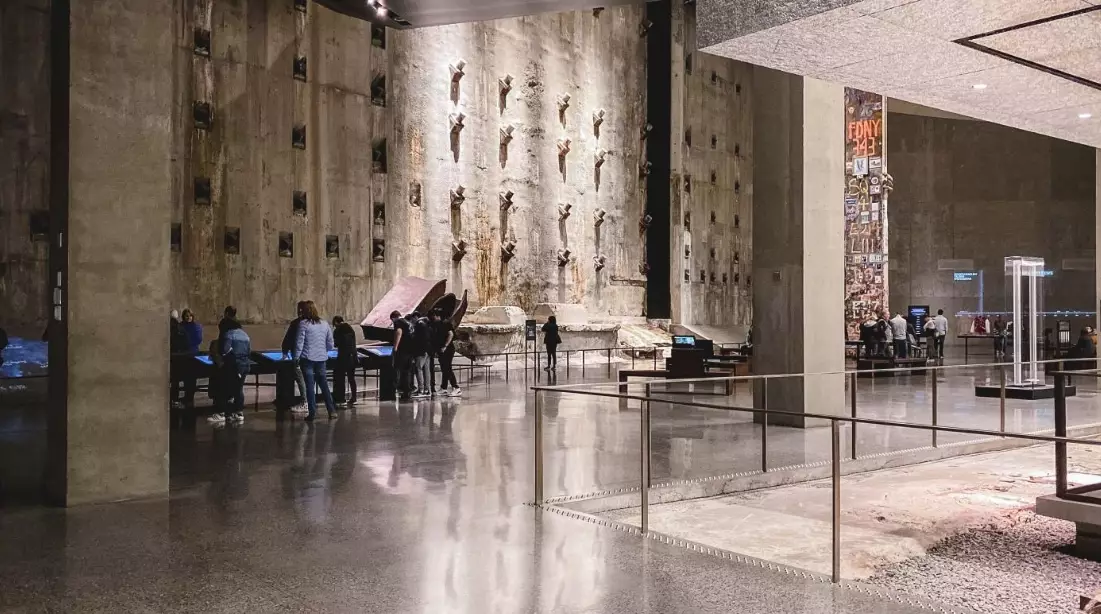
Day 12: Lower Manhattan day. See the 9/11 Memorial & Museum (museum tickets $33, highly recommended). Walk across the Brooklyn Bridge for iconic skyline photos. Explore DUMBO in Brooklyn and get a slice of pizza from Grimaldi's (1 Front St).
Day 13: Choose your vibe. Art at the Metropolitan Museum of Art (pay-what-you-wish for NY state residents, otherwise $30 for adults). Or views from the Top of the Rock (Rockefeller Center, tickets from $40) – I prefer it over the Empire State Building because you can see the Empire State in your photos.
Day 14: Final morning. Grab a bagel with lox from a local deli, do some last-minute souvenir shopping in SoHo, and head to JFK, LGA, or EWR airport for your flight home.
Where to Stay: Balancing Budget and Location
Booking hotels in the right area saves you hours and stress. Here’s a quick comparison of solid mid-range options for each city on this USA travel plan.
| City | Hotel Recommendation | Area & Why It Works | Approx. Nightly Rate |
|---|---|---|---|
| Los Angeles | Hollywood Hotel - Curio Collection | Hollywood. Walkable to Metro, Walk of Fame. Saves on parking hassles. | $180 - $250 |
| Las Vegas | The LINQ Hotel + Experience | Center Strip. Affordable by Vegas standards, right by the High Roller. | $80 - $150 (varies wildly) |
| Grand Canyon | Yavapai Lodge | Inside the National Park, South Rim. Location is everything. Book *early*. | $220 - $280 |
| New Orleans | Hotel Provincial | French Quarter. Charming, historic, on a quieter street but still central. | $160 - $220 |
| Washington D.C. | Holiday Inn Washington Capitol | Capitol Hill. Near Metro, walkable to Mall, better value than downtown. | $170 - $230 |
| New York City | Fairfield Inn & Suites Long Island City | Long Island City, Queens. 1 subway stop to Manhattan, modern, more space. | $200 - $300 |
Getting Around: Flights, Cars, and Trains
The transport mix is key for this 2 week USA trip.
Long-Haul Flights: Book the multi-city ticket: Into LAX, out of JFK/EWR/LGA. Use Google Flights or Skyscanner. The internal flights (LAX→LAS, PHX→MSY, MSY→DCA) should be booked separately as one-way tickets, often 4-6 weeks out for the best price.
The Rental Car Segment: You only need a car for two segments: Los Angeles (3 days) and Las Vegas to the Grand Canyon to Phoenix (2 days). Book two separate one-way rentals: Pick up at LAX, drop off at LAX. Pick up at LAS, drop off at PHX. The one-way drop fee between states can be high ($100-200), but it's essential for the flow. Compare prices on AutoSlash.
Trains & Subways: The Amtrak from D.C. to NYC is efficient. In D.C. and NYC, buy a rechargeable MetroCard (D.C.) or use contactless OMNY (NYC) for the subways and buses. Don't drive in these cities.
Comments
Leave a Comment