Forgetting a crucial document when traveling to the United States isn't just an inconvenience; it can mean being denied boarding or stuck in immigration for hours. Over the years, I've seen travelers turned away for missing a single piece of paper—a visa stamp in the wrong passport, an expired ESTA, or a health certificate for their pet. This guide covers everything you need to bring, based on hard lessons learned from a decade of international travel.
Your Travel Document Quick Guide
Core Travel Documents: The Non-Negotiables
These are the items you physically cannot board a plane to the U.S. without. Airlines are fined heavily if they let you fly without proper documentation, so check-in agents are strict.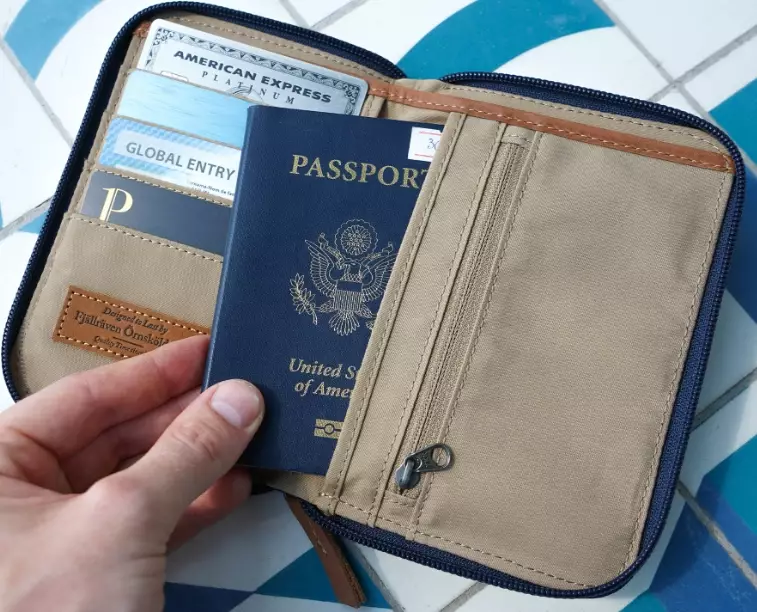
1. Your Passport
This seems obvious, but the details matter.
- Validity: Your passport must be valid for at least six months beyond your planned stay in the USA. This is a near-universal rule. If you're a citizen of a country in the U.S. Visa Waiver Program, there's one exception: your passport only needs to be valid for your entire stay. But the six-month rule is a safer, simpler standard to follow.
- Condition: No major damage. A torn data page, water damage that obscures information, or detached pages can lead to rejection. I once saw a traveler with a passport that had gone through the washing machine; the agent couldn't scan the MRZ code and denied boarding.
- Blank Pages: Ensure you have at least one blank visa page (not just endorsement pages). U.S. Customs and Border Protection (CBP) officers need space to place an entry stamp.
2. U.S. Visa or ESTA Authorization
This is where most confusion happens. You fall into one of two categories:
| Document | Who Needs It? | Key Details & Cost | Processing Time |
|---|---|---|---|
| ESTA (Electronic System for Travel Authorization) | Citizens of Visa Waiver Program countries (like the UK, Germany, Japan, Australia) traveling for tourism/business for | Apply online on the official U.S. Customs and Border Protection website. It costs $21. Valid for 2 years or until passport expires. Warning: Beware of third-party sites charging $80+ for the same service. | Usually minutes, but apply at least 72 hours before travel. |
| U.S. Visitor Visa (B-1/B-2) | Citizens of non-VWP countries, or those planning to stay >90 days, study, work, or immigrate. | Requires an interview at a U.S. embassy/consulate. The visa is a foil sticker placed in your passport. Application fee is $185. | Weeks to months, depending on embassy wait times. Start early. |
A critical point many miss: If you have a new passport but a valid U.S. visa in an old, expired passport, you must travel with both passports. The visa in the old one is still valid.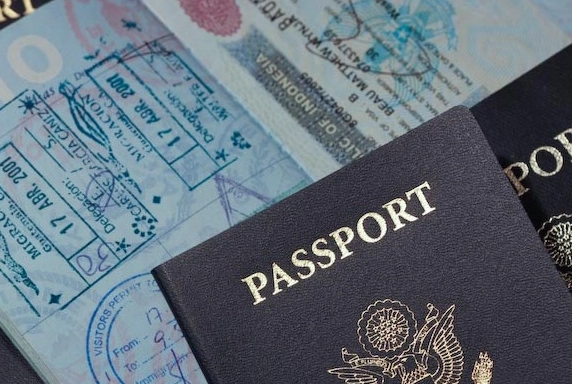
3. Proof of Onward Travel
CBP wants to see you plan to leave. A return airline ticket or a ticket to another country (like Mexico or Canada) is the best proof. If traveling on a one-way ticket, be prepared to show strong ties to your home country or proof of a long-term travel plan exiting the Americas.
Supporting Documents You Must Carry (Not Just Have)
These documents answer the "why, where, and how" questions from CBP officers. Having them readily accessible speeds up the process immensely.
Pro Tip: I organize these in a simple, cheap plastic folder in my carry-on. When the officer asks for my hotel confirmation or return ticket, I can hand it over in seconds, which makes the process smoother.
- Travel Itinerary: Flight confirmations, hotel bookings, rental car reservations. Print them. Phone batteries die, and a paper copy is a lifesaver.
- Proof of Funds: Recent bank statements or proof of sufficient funds for your trip. A credit card with a high limit helps.
- Health Documentation: Depending on your origin, you may need proof of vaccination. Always check the CDC website for the latest requirements.
- Driver's License & International Driving Permit (IDP): If you plan to drive. The IDP is a translation of your license and is required in many states. Get it before you travel.
Documents for Special Situations
Don't overlook these if they apply to you.
Traveling with Minors
If you're not the parent or guardian, carry a notarized letter of consent. Immigration can be strict about this.
Medical Needs
Carry prescriptions in original containers with labels. A letter from your doctor explaining any controlled substances is wise.
Pets
The rules changed in 2024. For dogs, you now need a CDC Dog Import Permit if coming from a high-risk country for rabies. Check the CDC website for the latest. For other pets, a health certificate from a licensed vet is usually required.
The Most Common (and Costly) Mistakes Travelers Make
Based on what I've seen, these are the slip-ups that cause the most stress.
- Assuming ESTA is a Visa: It's not. ESTA is an authorization to travel under the VWP. You can still be denied entry at the border if the CBP officer believes you violate the terms (like intending to work or overstay).
- Using the Wrong Name: The name on your airline ticket must match the name on your passport exactly. A middle name omitted on the ticket but present on the passport can cause a delay.
- Forgetting About Passport Expiry: That "six months remaining" rule catches so many people. Check your expiry date the moment you start planning a trip.
- Overlooking the Dual-Passport Rule: As mentioned, if your valid visa is in an old passport, you must bring that old passport with you.
Critical Update: The U.S. Department of Homeland Security has been testing facial recognition at many major airports for exit tracking. While you don't need a special document, be prepared for a quick photo at the gate when departing the U.S. This is replacing the traditional physical passport stamp for exit.
My Smart Packing Strategy for Documents
Where you put these documents is as important as having them.
Carry-On Bag (Never Checked Luggage)
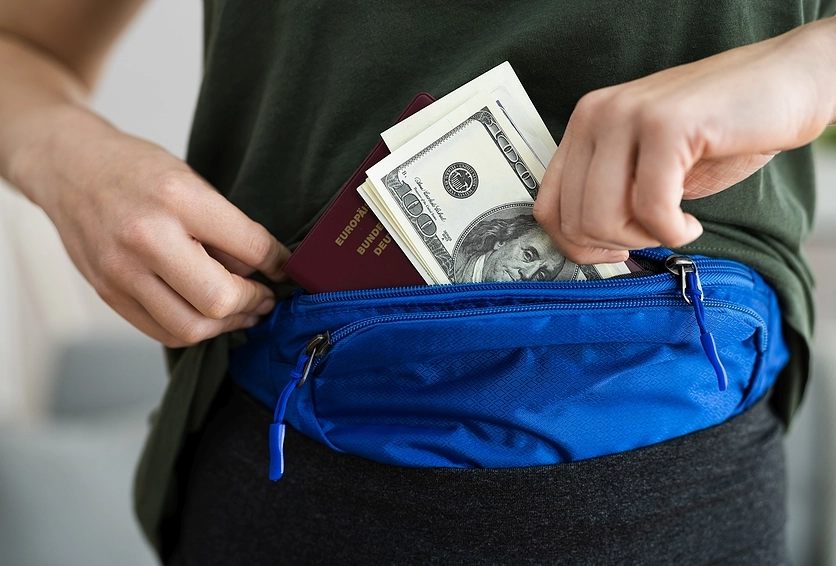
- Originals: Passport, visa, ESTA approval printout, driver's license, health docs.
- Primary Copies: One set of photocopies/scans of everything.
- Emergency Cash: Around $100 in U.S. dollars for immediate expenses (taxi, food) if your cards don't work right away.
Checked Luggage
Nothing critical. Maybe an extra set of copies separate from your carry-on.
Digital Backup (Cloud & Phone)
Scan or take clear photos of all documents. Save them to a secure cloud service (like Google Drive or Dropbox) and download them to your phone for offline access. Email a copy to your travel companion and a trusted person at home.
This way, if your bag is stolen, you still have digital access. If your phone dies, you have paper. If you lose paper, you have the cloud. It's a triple-layer system.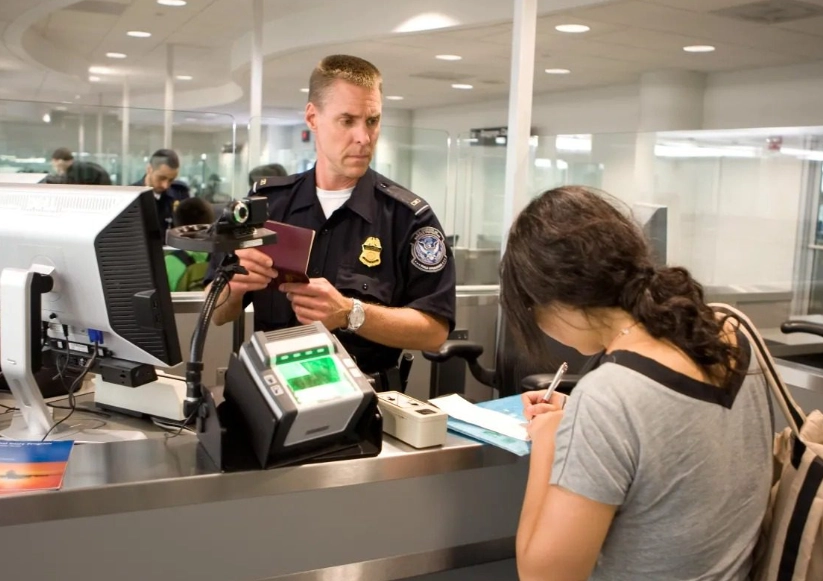




Comments
Leave a Comment