Let's be honest. The idea of a 4 week road trip across America sits in the back of many travelers' minds. It's the kind of epic journey you promise yourself you'll do "someday." Well, I'm here to tell you that "someday" should be on your calendar. I've done this drive more times than I can count, in everything from a beat-up sedan to a fully-loaded RV. It's not just a vacation; it's a perspective shift. This guide isn't just a list of places. It's the blueprint I wish I had on my first trip—full of hard-won advice on how to actually plan, budget, and survive a month on the road to have the time of your life.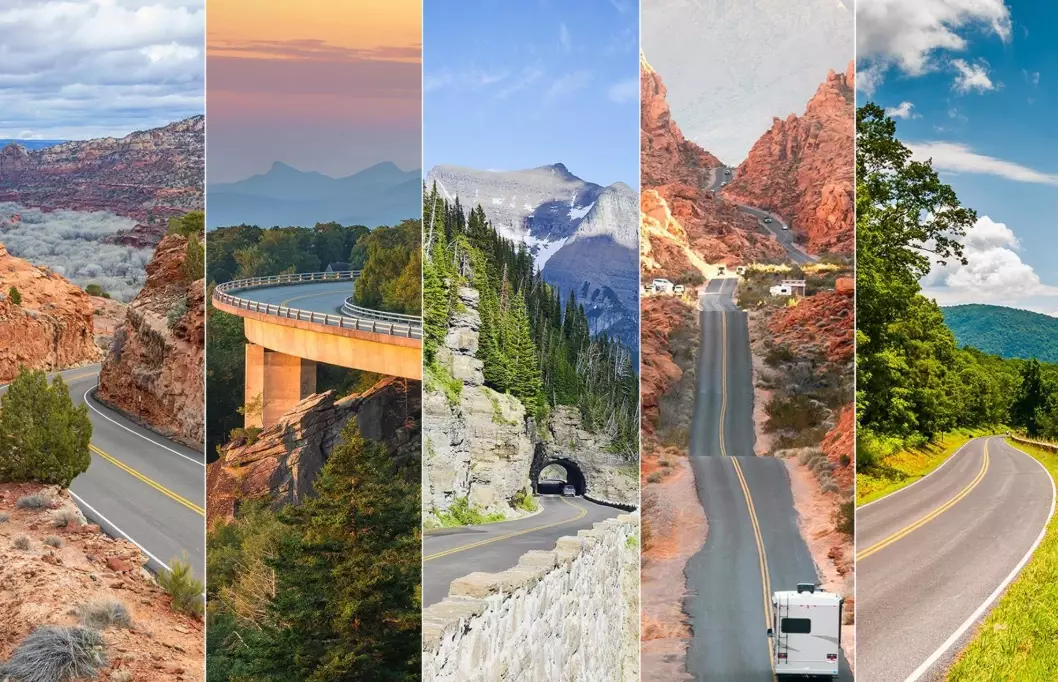
Your Road Trip Navigation
Before you zoom off: A successful 4-week trip needs a foundation. Don't just wing it. Book your rental car or prepare your vehicle at least 2-3 months ahead, especially for summer travel. Get an America the Beautiful Annual Pass ($80) if you plan to hit more than three National Parks—it'll save you a fortune. And mentally prepare for one truth: you cannot see everything. Choosing a focused route is the secret to enjoying the ride.
Planning Your Epic 4-Week Journey
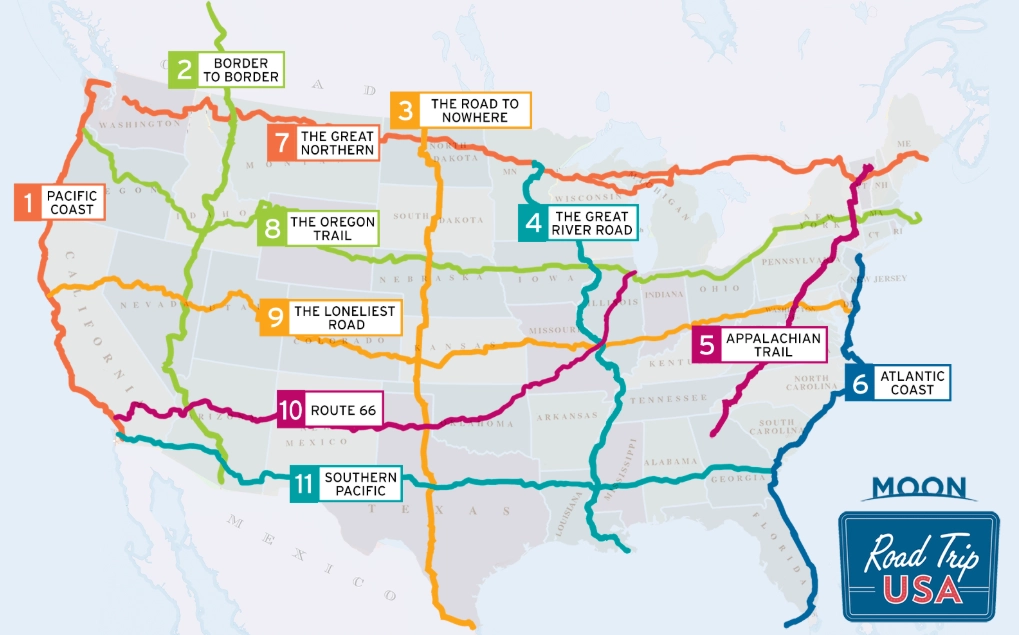
Throwing a dart at a map sounds romantic, but it leads to stress. The first decision is your route. Are you craving mountain vistas and coastal cliffs? The classic West Coast loop is your friend. Do you want a slice of Americana and quirky roadside history? Route 66 calls. I usually advise against trying to do a full loop from NYC to LA and back in four weeks—that's mostly driving. Pick a coast or a thematic corridor.
Timing is everything. Late spring (May-June) and early fall (September-October) are gold. Summer is packed and hot, especially in the desert Southwest. Winter brings snow closures to mountain passes. A subtle mistake? Not accounting for time zone changes. Crossing multiple zones can mess with your dinner and sleep schedule if you're not mindful.
Your vehicle is your home. A standard car works for most routes if you're sticking to hotels. For more remote parks or if you're camping, consider an SUV. RV rentals are fantastic for flexibility but watch for high mileage fees and campground costs. Pro-tip: Use apps like GasBuddy to track fuel prices and iOverlander for finding free, legal overnight parking spots if you're in a pinch.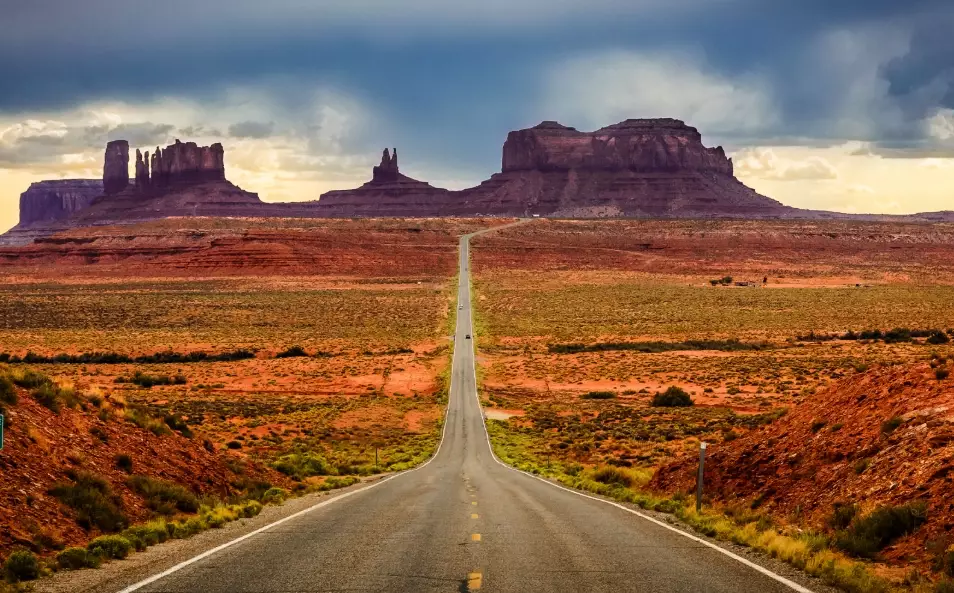
Two Classic 4-Week USA Road Trip Itineraries
Here are two fleshed-out 4 week road trip itineraries. These are frameworks—steal a day from one stop and add it to another based on your interests.
Itinerary 1: The Classic West Coast & National Parks Loop
This route hits the iconic scenery. Start and end in Las Vegas for affordable flights and car rentals.
- Week 1 (Nevada, Utah): Vegas recovery (1 night) > Zion National Park (2 nights, hike The Narrows) > Bryce Canyon (1 night, sunrise at Sunrise Point) > Moab, Utah (3 nights for Arches and Canyonlands). Driving tip: The stretch from Bryce to Moab is long; break it up in Capitol Reef National Park.
- Week 2 (Colorado, Wyoming): Drive to Grand Junction, CO > Rocky Mountain National Park via Trail Ridge Road (check for openings!) (2 nights) > Head north to Grand Teton National Park (2 nights) > Yellowstone National Park (3 nights). You'll need at least three days in Yellowstone to see the major geyser basins and wildlife.
- Week 3 (Montana, Idaho, Washington): Drive through Montana to Spokane, WA > Seattle, WA (2 nights, Pike Place Market, Space Needle) > Olympic National Park (2 nights for rainforest and coast) > Drive down the Oregon Coast (2 nights, Cannon Beach, Thor's Well).
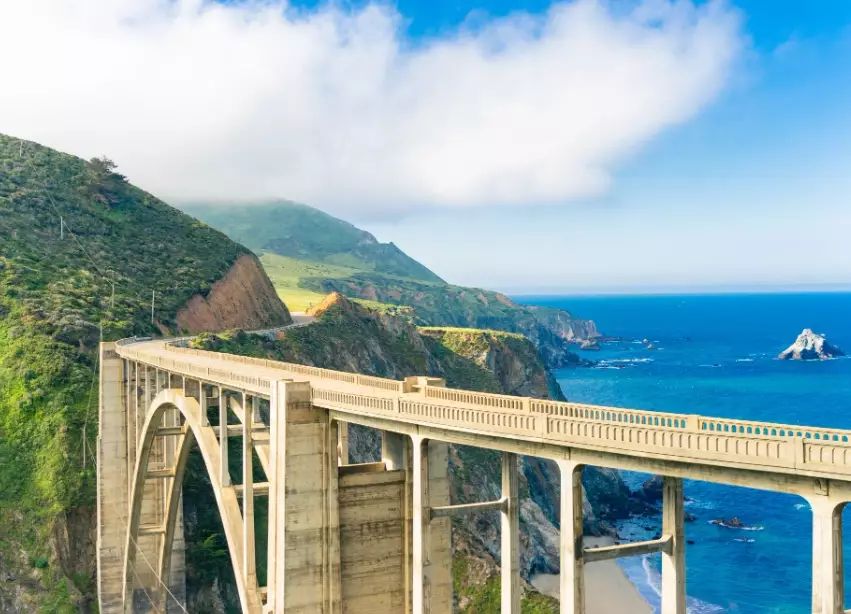
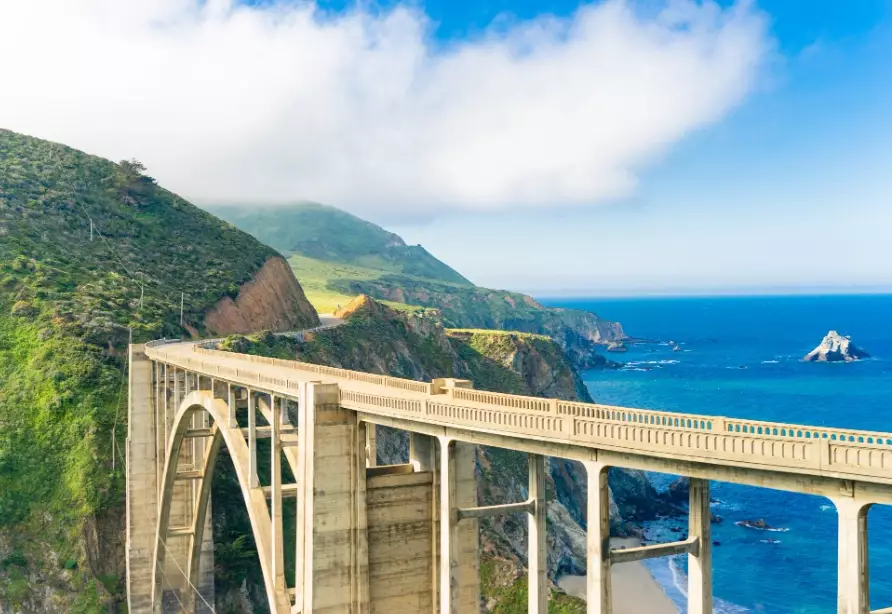
- Week 4 (Oregon, California): Redwood National & State Parks (1 night) > San Francisco (2 nights) > Pacific Coast Highway to Big Sur > Los Angeles (2 nights) > Return to Vegas via Death Valley (1 night—check if it's open in summer!).
Itinerary 2: The Historic Route 66 & Southwest Adventure
Start in Chicago, end in Los Angeles. This is less about nature, more about culture and kitsch.
- Week 1 (Illinois, Missouri, Kansas, Oklahoma): Chicago (1 night) > Springfield, IL (Lincoln sites) > St. Louis (Gateway Arch) > Tulsa, OK. The Oklahoma Route 66 Museum in Clinton is a great pit stop.
- Week 2 (Texas, New Mexico): Amarillo, TX (Cadillac Ranch) > Albuquerque, NM (2 nights, Old Town, Sandia Peak Tramway) > Santa Fe (2 nights for art and cuisine) > Detour to Taos.
- Week 3 (Arizona): This is the heart of it. Petrified Forest National Park > Flagstaff (2 nights, base for Grand Canyon South Rim—day trip) > Williams (classic Route 66 town) > Seligman, AZ (birthplace of the "historic" Route 66 revival). Don't rush Arizona.
- Week 4 (Nevada, California): Hoover Dam > Las Vegas (1-2 nights, if you must) > The final push into California through the Mojave > San Bernardino > Santa Monica Pier, LA (your finish line!).
How Much Does a Cross-Country Road Trip Cost?
Let's talk numbers. A cross country road trip cost can vary wildly. For two people sharing costs on a moderate budget (mix of hotels, motels, some camping, eating out about once a day), here's a realistic breakdown for 4 weeks.
| Expense Category | Estimated Cost (for 2) | Notes & Saving Tips |
|---|---|---|
| Car Rental + Gas | $1,800 - $2,500 | Book early for best rates. Gas is your biggest variable; expect 3,500-4,000 miles. |
| Accommodation | $2,100 - $3,500 | At $75-$125/night average. Camping can drop this to $500. |
| Food & Drink | $1,400 - $2,200 | Cook your own meals 2/3 of the time. Stock a cooler. |
| Activities & Parks | $400 - $800 | That Annual Pass covers all National Parks. Budget for guided tours, museums. |
| Incidentals & Buffer | $500 | Tolls, souvenirs, that unexpected flat tire fund. |
| TOTAL (Approx.) | $6,200 - $9,500 | Per couple. Solo travelers, budget 60-70% of this. |
See? It's not cheap, but it's an investment in an experience. You can drastically reduce costs by camping more, using a personal car, and being disciplined about food.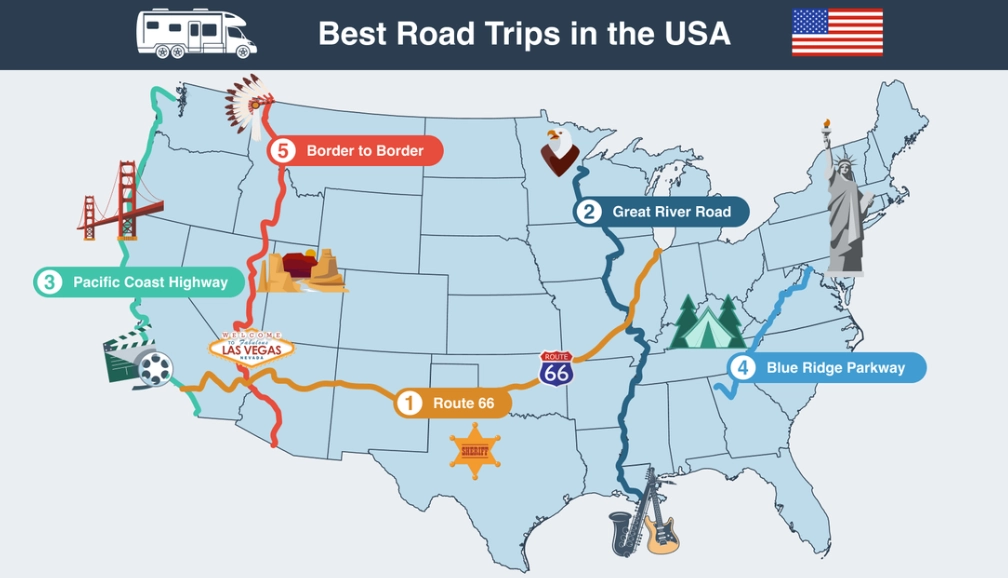
Where to Sleep: Road Trip Accommodation Breakdown
Your accommodation style defines your trip's rhythm and cost. Here’s the real scoop on each option.
Hotels & Motels: Reliable but pricey near parks. I've had good luck with mid-chain hotels like Holiday Inn Express or Best Western for consistent wifi and breakfast. In towns like Moab or near Yellowstone, book 6+ months in advance. Expect $120-$200/night in peak season.
Roadside Motels: The classic Americana experience. They can be hit or miss. Always check the room first if possible. Places like the Motel Safari in Tucumcari, NM (on Route 66) are full of character for around $70/night.
Camping: The ultimate budget and immersion tool. National Park campgrounds (like Watchman in Zion) are gorgeous but book the second reservations open on Recreation.gov. National Forest or BLM land often has first-come, first-served or dispersed (free) camping. Apps like The Dyrt are essential.
Airbnb/Vrbo: Great for groups or longer stays (2+ nights) in cities. You get a kitchen to cook. Look for places with free parking, which isn't a given in places like San Francisco.
My personal mix? A blend of camping in the parks, a quirky motel for a shower and laundry day, and an Airbnb in major cities to reset.
Packing and Driving Tips From the Road
Packing wrong can make you miserable. Beyond clothes, here’s what lives permanently in my road trip car:
- A high-quality cooler. Not a cheap one. A Yeti or RTIC. It keeps ice for days, saving you countless drink and grocery stops.
- A national parks pass, physical maps (cell service dies in parks), a tire pressure gauge, and a basic toolkit.
- A jet boil or camp stove and a simple pot. Coffee and oatmeal with a view beats a crowded diner every time.
- Download playlists, podcasts, and audiobooks for those long, empty stretches in Nevada or West Texas.
Driving: Never, ever plan your daily drive using Google Maps' "perfect condition" time. Add at least 25%. You will stop for photos, for buffalo jams in Yellowstone, for a weird fruit stand. Aim for under 5 hours of drive time on most days. Anything over 6 becomes a chore. And for heaven's sake, share the driving. It's exhausting.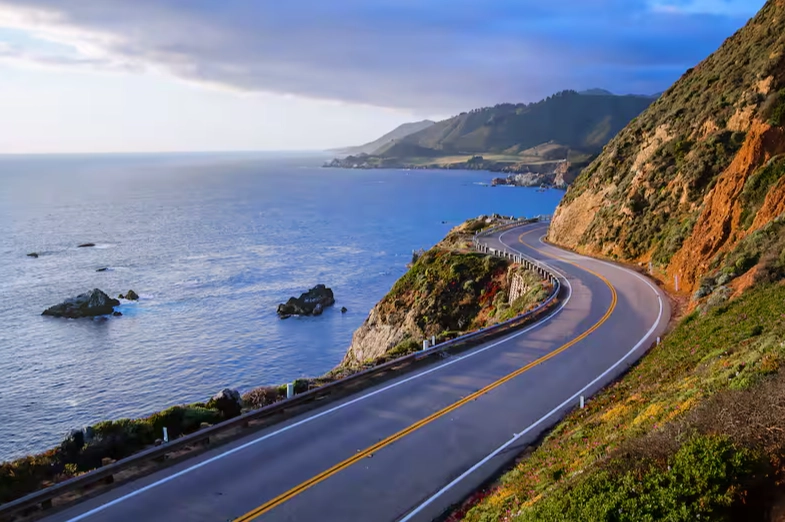
Your Road Trip Questions Answered
What's the single best month for a 4 week road trip across America to avoid crowds?
September. Kids are back in school, summer crowds have thinned, the weather is still excellent almost everywhere, and you catch the start of fall colors in places like Colorado or New England if you're on an eastern route. Late May is a close second, but some high mountain passes (like Going-to-the-Sun Road in Glacier) may still be closed.
Is $5,000 enough for a solo 4-week USA road trip itinerary?
It's tight but doable if you're smart. The killer is the solo driver cost—you have no one to split the car or room with. To hit that budget, you'd need to: use your own car, camp or sleep in your car 70% of the time (safely and legally), cook almost all meals, and stick to free natural attractions. It becomes more of an adventure challenge than a relaxed vacation. I'd suggest saving closer to $7,000 for a more comfortable solo journey with a few splurges.
How do I handle visiting National Parks with a 4-week timeline? Do I need reservations?
This is critical. The era of just showing up is over. Many major parks now have timed entry reservation systems (e.g., Arches, Glacier, Rocky Mountain, Yosemite) for peak hours. You MUST check each park's official NPS website months ahead. The America the Beautiful Pass gets you in, but not past the timed entry gate. Also, book park campgrounds or lodges the minute they become available (often 6 months out). For popular hikes like Angels Landing in Zion, you need a separate permit lottery.
Can I realistically do a 4-week road trip across America alone?
Absolutely, and it can be incredibly rewarding. Safety is the main concern. Share your itinerary with someone, check in regularly, and trust your gut on where to stop for the night. Choose busier, well-reviewed campgrounds over remote dispersed sites. The solitude on the open road is amazing, but the downside is all the driving falls on you. Build in more rest days than you think you'll need.
What's one thing most people forget to pack that you swear by?
A small, quick-dry camping towel. Not for showers, but for spills in the car, wiping down a wet picnic table, or as an impromptu blanket. It's endlessly useful and packs to nothing. My other is a headlamp—hands-free light for setting up camp in the dark, reading, or fixing a tire.
Is it worth bringing a pet on a cross-country road trip?
This is a major commitment that changes everything. Many National Park trails forbid pets (for their safety and wildlife's). Leaving a dog in a hot car is a deadly no-go. It severely limits your spontaneous stops (no museums, no restaurants). If you do bring a pet, you're committing to a trip centered around pet-friendly stops, which often means BLM land and specific pet-friendly motel chains. It can be done, but it's a different, more complex trip.
The open road is waiting. It's not a perfect, Instagram-filtered dream. There will be traffic, questionable motel coffee, and days where you're just tired. But there will also be that moment—standing on the South Rim at sunset, or finding a perfect slice of pie in a small-town diner, or the sheer quiet of the desert at night—that makes every mile worth it. Start planning. Your 4 week road trip across America is closer than you think.

Comments
Leave a Comment